
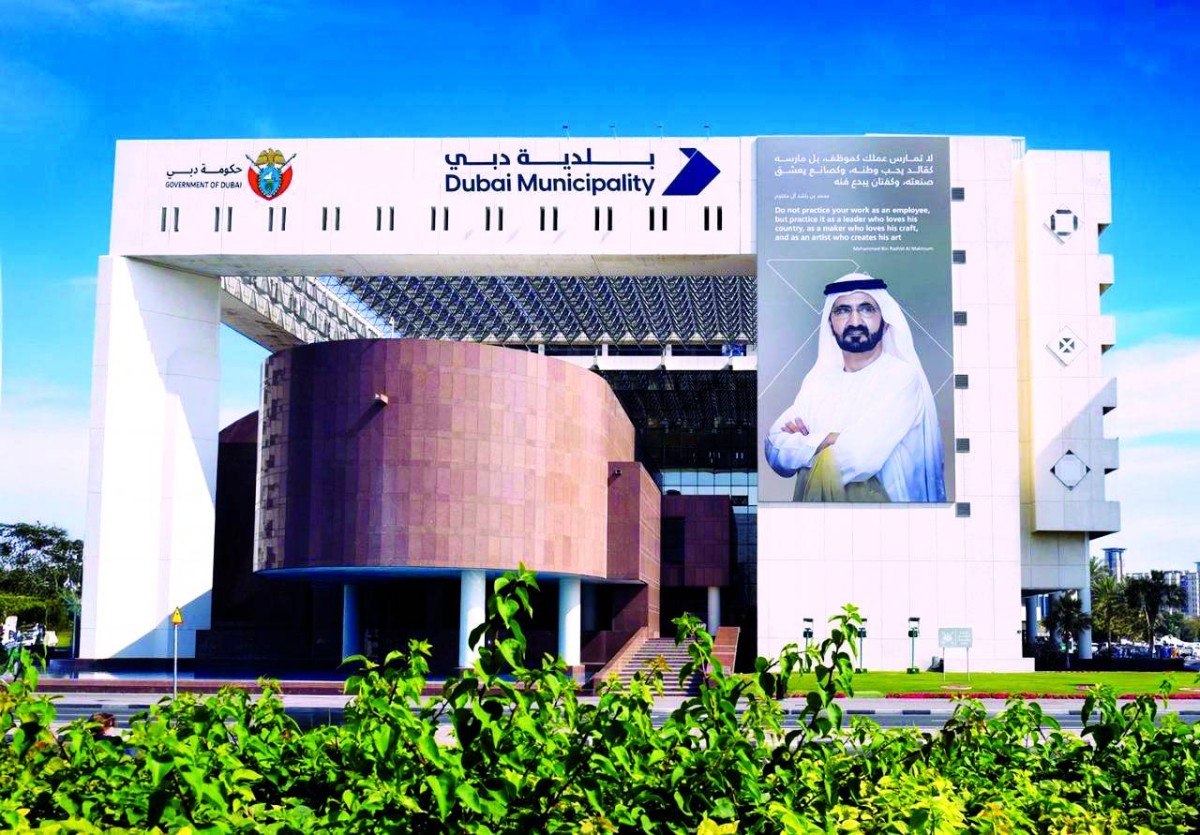
Dubai Municipality has issued technical guidelines setting out health and safety requirements for drinking water coolers and sabeel refrigerators in public spaces, as part of efforts to strengthen proactive public health prevention and ensure compliance with hygiene and safety standards for the installation, maintenance and operation of these units across the emirate. The move also aims to raise awareness among owners, operators and workers about the public health and safety risks associated with such equipment, including electrical hazards, water contamination, general cleanliness and visual blight, while promoting wider public awareness of health and safety.
Installation and engineering requirements
The municipality has stressed a set of mandatory technical and engineering conditions for installing and operating these devices. Drinking water coolers must be mounted on a solid concrete base at least 10 cm thick above ground level, in order to protect the cooler body and its connected fittings from contact with stagnant water or rainwater collecting in public areas, reducing the risk of corrosion or electrical short circuits. The coolers must also be installed securely and firmly so they remain stable and do not tilt or fall during use.
As for sabeel refrigerators, they must be properly fixed to prevent collapse or overturning, and protected by a canopy or shelter from direct sunlight and rain. A suitable waterproof electrical socket must also be used.
Electrical safety
Dubai Municipality highlighted the importance of electrical safety to reduce the risk of electric shock. Operators are required to earth the devices, provide them with a safe three-pin socket, and connect them to a double-pole circuit breaker fitted with appropriate fuses.
The municipality also requires all electrical cables to be insulated and routed inside dedicated insulating conduits, with the electrical wiring paths completely separated from the water pipes feeding the cooler.
Water quality and filter maintenance
To protect public health, Dubai Municipality has set strict standards for water quality and filter maintenance. Operating entities must have water samples tested in accredited laboratories every six months to ensure they are free from pathogenic bacteria.
Cooler tanks and taps must be cleaned and disinfected regularly, and filter cartridges replaced at least every six months, or according to consumption capacity, provided the filters comply with the UAE standard specification (UAE.S GSO 2071). If a cooler is out of service for more than a week, any old water must be completely drained and the unit disinfected before being brought back into operation.
Food safety in sabeel refrigerators
For sabeel refrigerators used to store and cool bottled water, beverages and light snacks, the municipality has defined strict food safety requirements. No home-cooked or uncovered food may be placed inside these refrigerators, and their use is limited to commercially packaged and securely sealed products.
Expiry dates must be checked daily, spoiled items removed immediately, and the refrigeration temperature maintained at 5 degrees Celsius or below to prevent food spoilage. All food safety requirements must be observed in line with Dubai Municipality regulations.
Cleanliness and pest control
Dubai Municipality has also stressed the importance of cleanliness around the exterior of the cooler or refrigerator. The floor area around the unit must be kept dry to prevent the spread of algae, insects and rodents, and immediate pest control measures must be taken if any signs of infestation are detected.
Inside and outside the refrigerator must be cleaned and disinfected daily.