
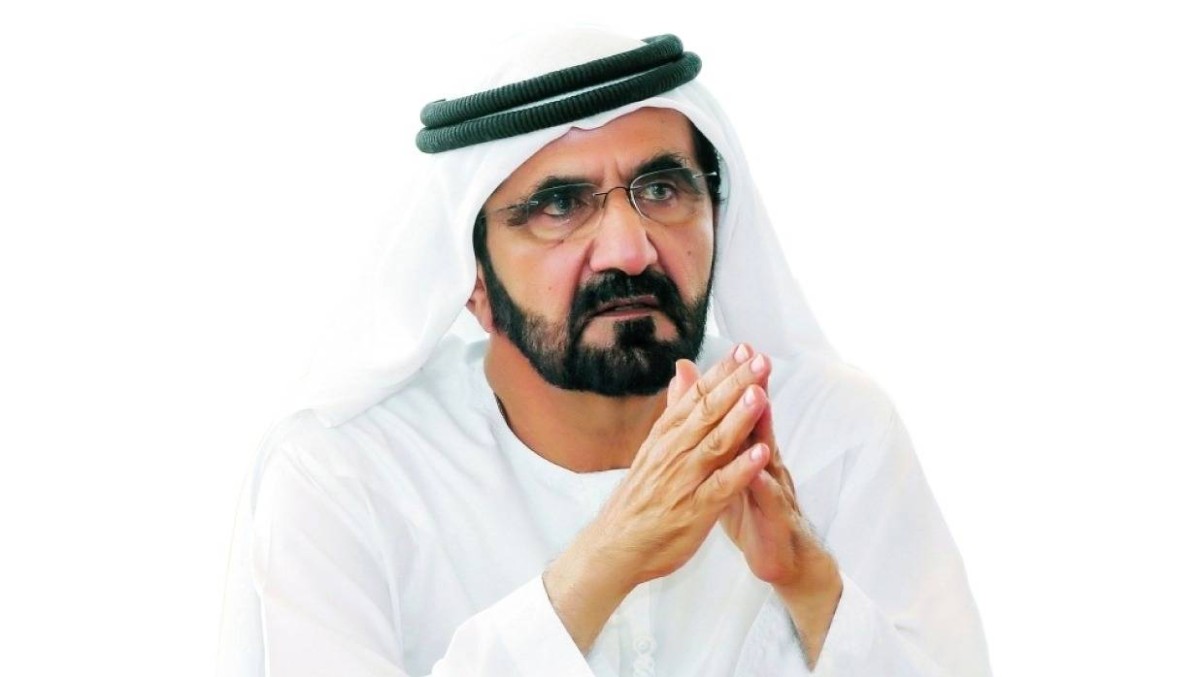
In a landmark decision, His Highness Sheikh Mohammed bin Rashid Al Maktoum, Vice President, Prime Minister, and Ruler of Dubai, has approved the 2026-2028 budget cycle for the Dubai government, allocating a total expenditure of 302.7 billion dirhams. This historic budget emphasizes Dubai’s commitment to future growth, focusing on enhancing business sectors, attracting investment, and ensuring the well-being of its community while establishing the emirate as a hub of innovation and opportunity.
Details of the Budget Approval
His Highness Sheikh Mohammed bin Rashid Al Maktoum’s endorsement of Law No. 15 of 2025 outlines the budget framework for the 2026-2028 fiscal years and specifies an overarching budget of 302.7 billion dirhams for the fiscal year 2026. The Dubai Financial Department announced a projected revenue of 329.2 billion dirhams, marking this budget as the highest in the emirate’s history. The intent is to align Dubai’s financial planning with its ambitious future goals, notably in entrepreneurship and investment sectors.
Economic Vision and Surplus Expectations
The budgetary cycle for 2026-2028 is designed to secure a projected operational surplus of 5% based on the expected GDP for Dubai in 2026. Sheikh Hamdan bin Mohammed bin Rashid Al Maktoum, Crown Prince of Dubai and Chairman of the Executive Council, emphasized that this budget illustrates the vision of Sheikh Mohammed for Dubai’s Economic Agenda D33. This initiative aims to double the emirate’s GDP and position it among the world’s top three economic cities by 2033.
Aiming for Sustainable Development
The fiscal planning for the 2026-2028 cycle focuses heavily on sustainability and economic stability. The estimated expenses for the fiscal year 2026 stand at 99.5 billion dirhams, reflecting Dubai’s commitment to nurturing developmental projects and stimulating its economy in line with the Dubai 2033 plan. The government sets aside a significant portion of its budget for social services, including health, education, and infrastructure development, ensuring that vital societal needs are met alongside economic growth.
Transparent and Flexible Financial Policies
Abdul Rahman Saleh Al Saleh, Director General of Dubai Finance, highlighted the importance of a flexible and scalable financial plan that ensures the sustainability of government operations. Emphasizing transparency and competitiveness, he conveyed the government’s dedication to financial prudence, further demonstrated by the creation of a general reserve from revenues. This strategic reserve aims to bolster Dubai’s financial standing against future challenges.
Sectoral Allocation and Growth Strategies
According to budget estimates, 28% of the total government expenditure for the year 2026 will be allocated to social development sectors. This includes significant investments in health, education, and family welfare. Additionally, 18% of the budget is earmarked for security, justice, and safety, reflecting the government’s commitment to maintaining a safe environment for its residents. Infrastructure development will receive 48% of the total projected expenditures, showcasing a comprehensive approach to enhancing Dubai’s physical and economic landscape.
Enhancing Digital Transformation
As part of the ongoing efforts to modernize the emirate, Dubai is actively pursuing digital transformation initiatives. The Finance Department is committed to harnessing technology to improve service delivery and ensure efficient fiscal management. Ahmed Ali Muftah, Executive Director of Central Accounts, emphasized the government’s goal to minimize cash dependency and promote secure digital payment systems. This approach not only enhances operational efficiency but also strengthens Dubai’s status as a global leader in digital finance.
Conclusion
The approval of the 2026-2028 budget cycle by Sheikh Mohammed bin Rashid reflects a strategic vision aimed at achieving long-term economic stability and growth. With a commitment to innovation, sustainability, and societal welfare, this historic budget lays the foundation for Dubai’s aspiration to be a leading global economic hub.