
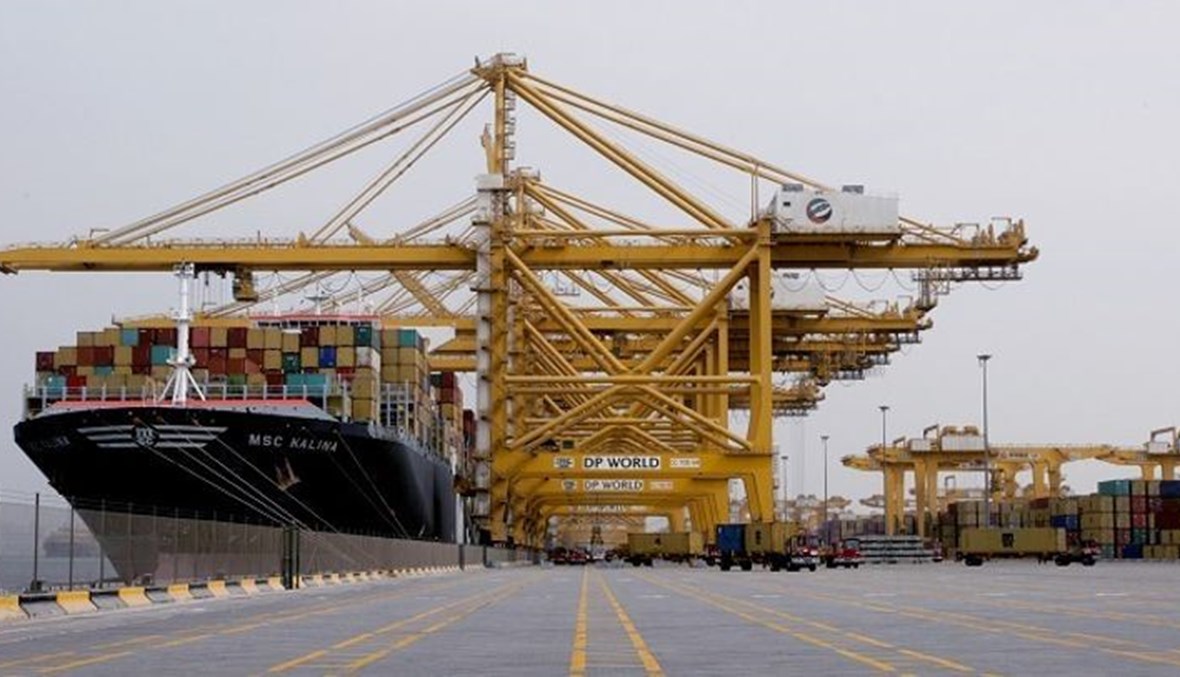
As the conflict in the region escalates, food suppliers in Dubai are diligently striving to mitigate the impact of the ongoing crisis on their operations. Disruptions in shipping routes affecting vital imports such as bananas, coffee, poultry, and rice have presented these suppliers with unprecedented challenges. This article explores how food suppliers in Dubai are working tirelessly to navigate the implications of conflict and ensure the continuous supply of goods essential to the Gulf’s needs.
Shipping Challenges and Supply Chain Disruptions
Food suppliers in Dubai are making every effort to maintain the flow of goods destined for the Gulf, even as shipping routes face significant challenges. The ongoing conflict has led to a slowdown in maritime traffic through the critical Strait of Hormuz, disrupting not only oil markets but also food supply chains. Despite these hurdles, suppliers are determined to keep store shelves stocked, as the region relies on imports for approximately 90% of its food requirements.
Strategies for Maintaining Supply
John Rich, CEO of Ukrainian food supplier MHP, emphasized the increasing complexity of the situation, stating, “Honestly, the situation in the Middle East is getting more complicated by the day. It’s incredibly difficult to book a vessel, and shipping costs have surged to record levels.” Rich’s comments highlight the pressing challenges faced by food suppliers in Dubai as they race against time to deliver products while adapting to unpredictable logistical issues.
Government Response and Alternative Solutions
The UAE government has moved to reassure the public about adequate food reserves, closely monitoring prices while collaborating with companies to sustain supply chains. However, exporters are actively seeking alternative routes. For instance, Australia has halted all livestock shipments to the Gulf, and containers carrying 38 tons of coffee beans intended for Dubai have been delayed in Oman. As the conflict persists, the need for innovative solutions becomes more pressing.
Exploring New Routes Amid Ongoing Conflict
In light of shipping disruptions, alternatives are being explored that go beyond traditional maritime routes. Some suppliers are considering transferring shipments to Israel’s Haifa port for land transport to Jordan. Brazilian poultry suppliers, for their part, are evaluating overland transport options to deliver goods to Dubai. Rich noted, “You need to be quick, which makes it a more costly operation, but solutions exist.”
As the crisis continues, the food supply landscape in Dubai is largely shaped by external factors, prompting the industry to adapt proactively. While some manufacturers have halted operations due to natural gas supply issues arising from the conflict, the commitment to maintaining essential goods flowing into the region remains steadfast.