
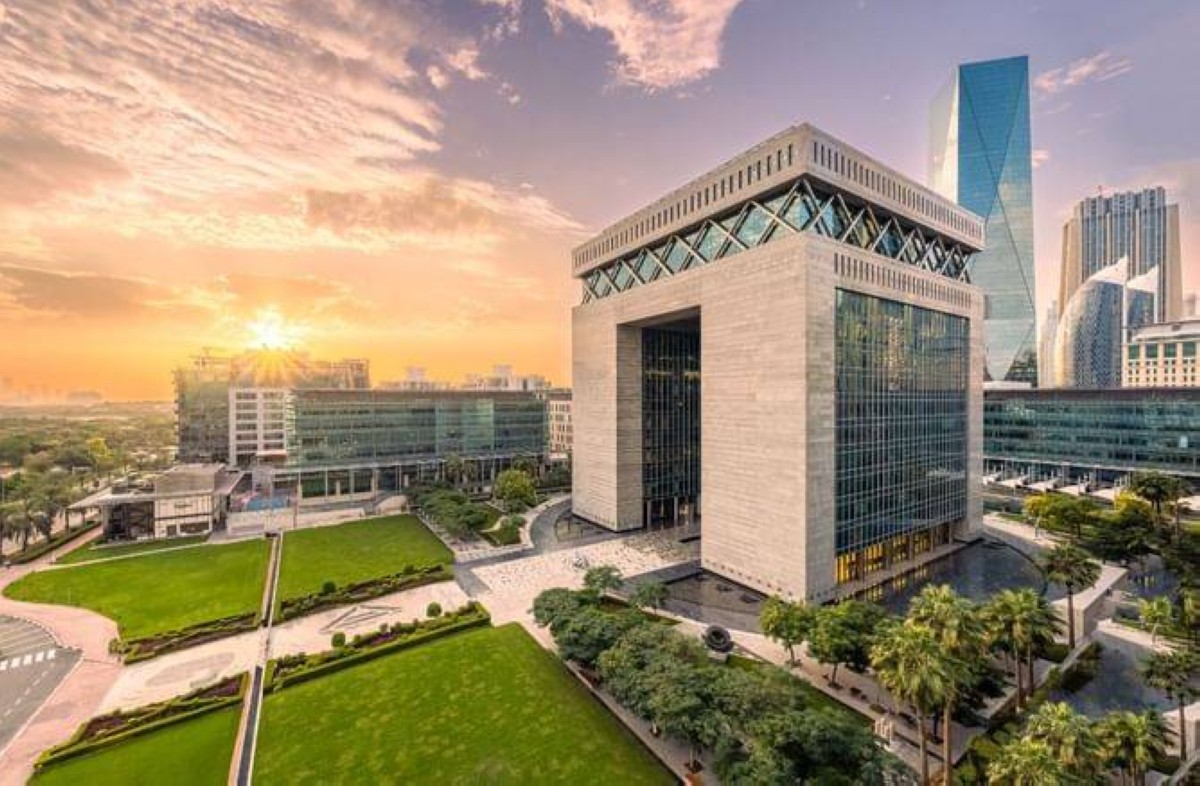
The Dubai International Financial Centre (DIFC) has emerged as a prime attraction for American firms operating in the financial services sector. Since its establishment in 2004, the DIFC has become a favored hub for U.S. companies, which now account for approximately 7% of the financial entities working within this vibrant center. As highlighted by Arif Amiri, the CEO of the DIFC Authority, the center serves as a pivotal gateway for American businesses looking to expand into the Middle East, Africa, and South Asia—regions teeming with potential and home to around 3.8 billion people.
A Gateway to Emerging Markets
According to Amiri, the DIFC not only facilitates access to a diverse and expansive market of 77 countries but also offers unparalleled connectivity for international companies seeking growth opportunities. The total GDP of these regions stands at an impressive $11.2 trillion, making them key areas for investment. “Dubai and the DIFC provide a unique platform for connecting global businesses to promising growth markets,” he stated during a recent press briefing following a delegation’s visit to the U.S., which included discussions at the Dubai-U.S. Business Forum.
Alternative Investments and Regulatory Advantages
Dubai’s stature as a global hub for alternative investments is firmly established, with the DIFC attracting American hedge funds that benefit from a blend of regulatory transparency and a secure legal framework. This environment mirrors that of other advanced financial centers, providing direct access to high-growth emerging markets. Notably, nearly two-thirds of the hedge funds at the DIFC hail from the U.S. and the U.K., including major players like Cambridge Associates, PIMCO, and Lighthouse Partners. Additionally, leading banks such as Citibank, J.P. Morgan Private Bank, and Morgan Stanley are also operational within the DIFC, enhancing the overall financial ecosystem.
Strategic Collaborations for Future Growth
In a move to fortify ties with American institutions, the DIFC recently announced a partnership with the Institute of International Finance (IIF) to host the inaugural Dubai Week for the Future of Financial Services in May 2026. This collaboration aims to merge the DIFC’s vision for financial sector advancement with the global expertise of the IIF. “The sessions have received favorable evaluations due to the rising significance of private credit and non-bank financial intermediation, particularly in the MENA and South Asia regions,” Amiri elaborated.
Rapid Growth and Wealth Management
As of 2024, assets under management within the DIFC have surged to $700 billion, marking a 58% increase from the previous year. This growth is complemented by the management and marketing of over 10,000 funds through the center. The expansive framework within the DIFC presents American institutions with lucrative prospects, especially as the number of high-net-worth individuals and family offices in Dubai continues to rise. Recent reports from Henley & Partners underline Dubai’s status as a hotspot for private wealth concentration in the Middle East.
With ongoing expansions and strategic partnerships, the DIFC is set to strengthen its allure for American financial services companies, creating pathways for growth and enhancing the region’s economic landscape.