
The markets across the UAE continue to meet consumer demand for fish and various seafood products, benefitting from a steady influx of supplies from Dubai and Fujairah. This dynamic reflects the integrated fish trade system between the Emirates and demonstrates its resilience in maintaining a stable supply while fulfilling consumer demands.
This integration highlights the importance of interconnectivity among local markets and the diversification of supply sources. The availability of seafood products is no longer solely dependent on the catch volume in each emirate but rather on a comprehensive network of suppliers, traders, and ports, facilitating the movement of fish between markets. This system takes advantage of diverse fisheries and production sources, thereby ensuring a constant flow of goods and a wide array of options for consumers.

Officials and fishermen alike have stressed the growing importance of expanding fish farming projects as a complementary source of seafood production. Such initiatives can help provide a regular supply of fish year-round, offsetting declines in natural catches during certain seasons and circumstances that limit fishing trips, while also alleviating pressure on natural stocks and diversifying supply sources.
Fishermen have shown their commitment to regulatory guidelines, demonstrating their dedication to cooperating with relevant authorities in order to preserve fish stocks and protect the marine environment. This cooperative spirit runs alongside their ongoing role in supporting food security by providing local catches as circumstances allow, within a framework that integrates the efforts of fishermen, suppliers, markets, and regulatory bodies.
Supply Integration
Saeed Al-Batni, the auction manager at the Al-Muairidh market in Ras Al Khaimah, explained that markets in the emirate continue to receive various seafood species through supplies arriving from Dubai and Fujairah. This helps maintain the diversity of offerings and meet consumer needs while ensuring that fishermen adhere to instructions regarding the suspension of daily fishing trips at this time.
The continued availability of fish indicates the flexibility of the supply and distribution system, demonstrating its ability to adapt to changing conditions that affect local fishing activities. By utilising alternative supply sources and expanding trade cooperation among markets, the abundance of seafood products is no longer tied to local catch sizes, but rather hinges on the efficiency of market integration, the rapid movement of goods, and the diversity of suppliers.
This integration provides traders with greater options to secure the inventory needs of retail outlets, facilitating continuous trading activities while catering to daily demand, with variations in quantities and types based on species, size, quality, and supply levels. Al-Batni emphasised the importance of coordination among markets to ensure a smooth flow of supplies and a varied range of options for consumers.
The Necessity of Fish Farming
Ibrahim Abdouli, Vice Chairman and Managing Director of the Sharjah Cooperative Society for Fishermen, stated that developing the fish farming sector has become essential to enhance local production capacity to meet consumer needs and bridge the gap between available quantities and demand levels.
He pointed out that production from existing farms still falls short of what is necessary to substantively supply local markets and generate a surplus for distribution to other emirates.
Abdouli emphasised the necessity of supporting existing projects and accelerating their entry into production and distribution phases. This would provide an additional source of fish year-round and support markets during seasons when fishing yields decline or conditions inhibit fishermen from heading out to sea. Furthermore, it plays a role in diversifying sources of seafood products and alleviating pressure on natural stock.
Diversified Sources
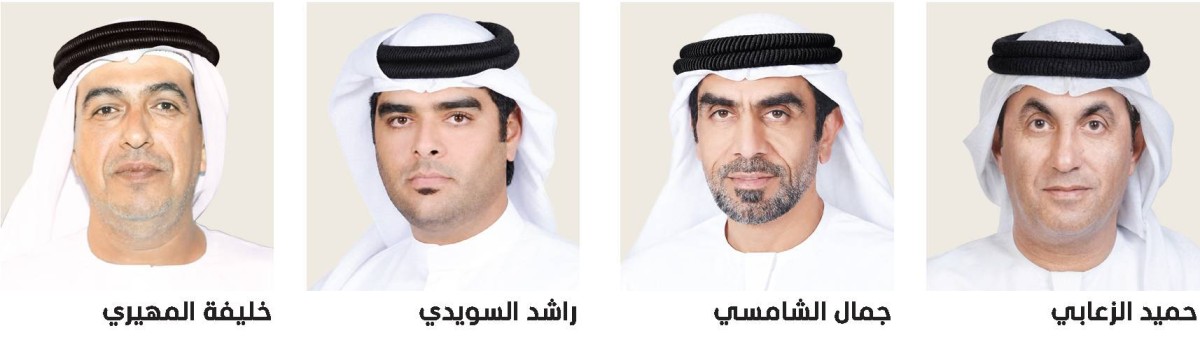
Jamal Al-Shamsi, Chairman of the Al-Hamriyah Cooperative Society for Fishermen, affirmed that the integration of maritime ports and fish markets across the various Emirates is a fundamental pillar for maintaining a steady flow of seafood products and offering varied quantities that meet consumer demand. He noted that the interconnection of markets and the flow of supplies between emirates allow for the optimisation of diverse marine catches and the variety of production and distribution sources.
Al-Shamsi also mentioned that the ports serve as crucial supply points, as the movement of fish unloading, trading, and transfer between emirates contributes to the overall supply and availability of diverse seafood products. Collaboration among traders, suppliers, and cooperative societies enhances the efficient distribution of available quantities, offering markets greater flexibility to meet daily demand.
He added that the variety of ports and coastal locations throughout the UAE enables the beneficial utilisation of differing marine harvests and the species caught. Al-Shamsi emphasised the importance of ongoing coordination between markets and ports to ensure a seamless supply flow, maintaining abundance in seafood products.
Alternative Supplies
Fisherman Saeed Hilal Al-Nuaimi, a member of the Sharjah Cooperative Society for Fishermen, explained that restrictions on fishermen’s trips to sea naturally affect the quantities of fish that reach markets, underscoring the importance of having alternative sources of production and supply. These help maintain ongoing availability, with fish farms playing a leading role in this regard.
He noted that some fishermen previously relied on small personal farms in creeks to raise certain fish types, such as hamour and safi, but these practices have dwindled or almost disappeared in Sharjah, heightening the need for developing specialised farms and increasing their capacity to provide commercial quantities that can nourish local markets.
Additionally, while fishing trips continue in certain emirates, including Dubai and Abu Dhabi, they contribute to providing additional quantities for markets. Combined with fish farming output, this helps meet community needs and expands access to various fish sources. The diversification of supply sources, including both marine catches and fish farming coupled with inter-emirate supply dynamics, represents a vital pathway to enhancing market stability, especially since each source plays a crucial role in providing different species and quantities, allowing markets to better navigate seasonal and regulatory fluctuations.
Fishermen’s Commitment and Support
Fisherman Rashid Al-Suwaidi remarked that those in the fishing profession represent a crucial element of food security by providing seafood products for local markets and ensuring a steady supply to meet consumer demands. He reaffirmed that fishermen continue to fulfil their vital role responsibly while adhering to regulations and guidelines that govern fishing activities, helping to protect fish stocks.
Al-Suwaidi stressed that the responsibilities of fishermen extend beyond supply; they also include the sustainability of marine resources through coordination with authorities and compliance with regulatory procedures that ensure the longevity of their profession and protect the marine environment. He added that the synergy among fishermen, ports, and fish markets across the Emirates bolsters the efficient distribution of seafood products to retail outlets while enhancing variety and ensuring stable supplies.
Fisherman Hamid Al-Zaabi also highlighted that the diversity of species arriving in Ras Al Khaimah’s markets corresponds with available quantities and inter-emirate supply flows. The supplies from Fujairah contribute to expanding consumer choices due to the variety of coastal fisheries along the eastern shore and the different species entering its markets.
He further indicated that the local distribution network connecting traders and suppliers across the Emirates plays a significant role in compensating for any temporary declines in locally caught fish quantities and maintaining the flow of seafood products to sales outlets. The trade exchange facilitates markets’ ability to tap into multiple sources, making them less susceptible to disruptions caused by changes in fishing activities in specific areas.
Khalifa Al-Mehairi concluded that the flow of fish from Dubai and Fujairah to Ras Al Khaimah’s markets exemplifies the integration among the Emirates, widening the range of available offerings and providing various alternatives for consumers. It also grants traders greater flexibility in securing market needs, particularly during periods of reduced local catches or when boat activities are subject to defined regulations.
Al-Mehairi further noted that the supplies from Fujairah hold significant value due to the diversity of catches along the eastern coast and the variety of seafood they provide, whereas Dubai’s markets serve as a critical hub for food trade and distribution, enabling traders to benefit from diverse supply sources without relying on a single route to meet market demands.