
The American magazine “Time” has highlighted Dubai‘s unique approach to maintaining cleanliness in public spaces, emphasizing that the emirate’s commitment extends beyond fines and regulations to fostering a culture of respect for communal areas among residents and visitors alike.
A Social Perspective on Cleanliness
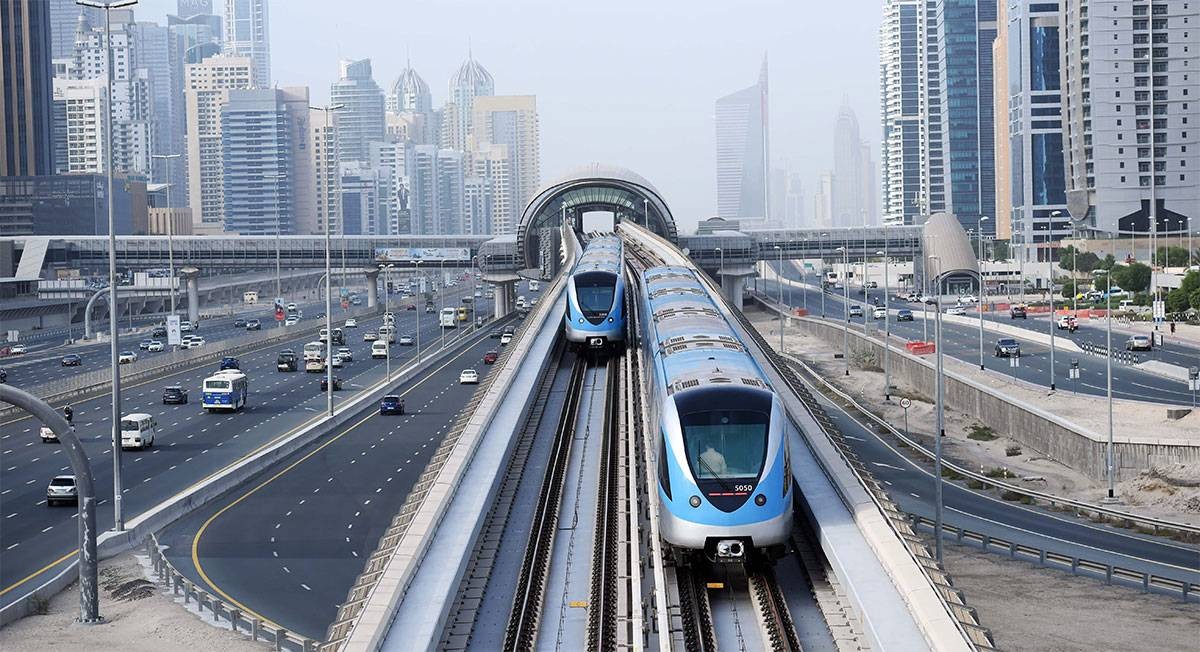
In a report examining this experience socially, the magazine recounted an incident involving one of its writers on the Dubai Metro. The writer observed a group of visitors enjoying drinks and ice creams as they made their way to a station. As they prepared to leave, a well-informed woman urged them to dispose of their bottles and cups in the trash bin. When one member of the group sarcastically questioned whether there was a fine for littering, she offered an insightful reply: the issue wasn’t the potential fine, but the importance of keeping the city clean.
Internalising Cleanliness
According to “Time”, this simple moment encapsulates a crucial aspect of the Dubai experience. While laws and penalties certainly exist, they are not the sole motivators for compliance. Over time, enforced behaviours can evolve into personal beliefs, where individuals come to see the value of maintaining a clean environment.
The “Broken Windows Theory”
The report linked Dubai’s experience to the sociological concept known as the “Broken Windows Theory.” This theory posits that neglect and disorder in public areas can encourage further antisocial behaviours, while a clean, orderly environment encourages people to act responsibly. The magazine noted that this principle isn’t limited to crime; it also influences how individuals relate to the cities they inhabit. A neglected area may imply that littering or rule-breaking is acceptable, while a clean environment sets a different social standard.
Drawing Comparisons with Kolkata
Drawing on a personal experience from years ago in Kolkata’s metro, the writer recalled witnessing passengers insisting that another clean up after themselves. Back then, the Kolkata metro was cleaner than its surroundings, fostering a sense of responsibility among commuters. In contrast, Dubai’s commitment to cleanliness encompasses not just the metro but extends across all public areas, integrating cleanliness as part of a broader organisational ethos.
Dubai’s Global Cleanliness Rankings
“Time” underscored Dubai’s consistent ranking among the world’s cleanest cities, noting that this reputation is a vital element of the emirate’s appeal to investors, residents, and tourists, as well as an aspect of its soft power.
Diversity and Collective Responsibility
The report also highlighted the irony in Dubai’s vast multicultural landscape, where millions from various nations and cultures reside together, yet a shared commitment to public cleanliness emerges. A long-term resident of Dubai remarked on the noticeable change from the moment newcomers arrive at Dubai International Airport; even those accustomed to more relaxed behaviours in their home countries find themselves in an environment that encourages responsible disposal of waste and adherence to public order.
Beyond Fines: A Lasting Change
However, the report stressed that attributing Dubai’s cleanliness solely to fines would oversimplify the narrative. While laws and penalties are crucial in establishing order, they don’t necessarily ensure long-term adherence to clean behaviours. Over time, individuals may shift from fearing penalties to feeling a genuine belief that their surroundings deserve to be maintained.
Smart Technology in Cleanliness Initiatives
In addition to enforcing regulations, the authorities in Dubai are also testing AI-driven cameras to monitor public interactions with cleanliness, including potential fines for littering. Notably, however, Dubai’s approach does not rely solely on technology and penalties; it seeks to influence behaviours in a more holistic manner.
Encouraging Positive Behaviours
The magazine explored the role of the Dubai Public Etiquette Committee, which was launched to promote positive behaviours within the community rather than merely addressing violations post-factum. As stated by Saeed Al-Nadheri, Secretary-General of the Committee, effective enforcement tools do not replace the need for community involvement; the goal is for the community to become a part of the preventive measures and address behaviours impacting quality of life.
Honouring Positive Conduct
A noteworthy aspect of this initiative includes recognising citizens demonstrating commendable civic behaviours, such as contributing to the cleanliness of public spaces. The underlying idea is that improving community conduct isn’t solely about punishment; in some instances, acknowledging and encouraging positive behaviours can be a more sustainable way to embed civic habits.
A Comprehensive Strategy
As presented by “Time”, Dubai’s experience embodies a blend of strategies: clear laws, penalties, technological oversight, alongside incentives and community engagement. In concluding its report, “Time” drew a comparison between the cleanliness of Kolkata’s metro and that of Dubai, highlighting that while cleanliness in Kolkata wasn’t enough to prevent negative behaviours from emerging over time, Dubai’s model diversifies its approach. Rather than solely depending on penalties and oversight, it seeks to instil civic responsibility and encourage residents to participate actively in maintaining the city’s quality of life. This experience warrants ongoing observation to determine whether the commitment to order and cleanliness can morph from mere compliance with rules into an ingrained urban culture.