
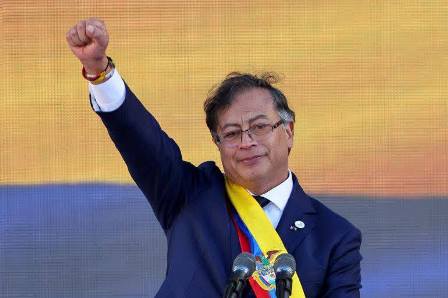
In a bold move, Colombian President Gustavo Petro issued an urgent call to criminalize mercenarism in his country, framing it as a modern form of human trafficking. His remarks follow a report from Sudanese television detailing an airstrike by the Sudanese Armed Forces that allegedly killed around 40 Colombian mercenaries aboard an Emirati military aircraft. This article delves into President Petro’s response to the unfolding situation, shedding light on the implications for Colombia and its mercenary involvement abroad.
Petro’s Strong Condemnation of Mercenarism
President Gustavo Petro described the involvement of Colombian mercenaries in foreign conflicts as a devastating process that “transforms our youth into commodities for death.” This statement underscores his grave concern about the exploitation of young Colombians in wars that do not directly concern them. The urgency of his message reflects a broader socio-political issue, as Petro seeks to address not only the immediate crisis but also the systemic causes leading young Colombians to seek fatal roles abroad.
Diplomatic Maneuvers Following the Airstrike
Following the airstrike that resulted in significant loss of life among Colombian nationals, Petro tasked his embassy in Egypt with overseeing the situation. As Colombia lacks diplomatic representation in Sudan, this decision highlights the complexities of international relations and the need for responsive action in crises. While Petro refrained from directly naming the Emirati government, he emphasized the need for a thorough investigation and humane treatment for the deceased, stating, “We must bring the bodies back home.”
The Context of Emirati Influence in Colombia
Despite the severity of the situation, President Petro chose not to confront Emirati authorities directly. This approach may stem from the growing economic relationship established through the Comprehensive Economic Partnership Agreement (CEPA) signed in 2022. This landmark agreement has opened avenues for Emirati investment in key Colombian sectors such as infrastructure, energy, and agriculture, making it politically and economically challenging for Petro to escalate tensions publicly.
Legislative Efforts Against Mercenarism
In light of the tragic events and the issues surrounding mercenarism, President Petro’s administration is advancing a legislative initiative to officially criminalize this practice. He characterized the current situation as not just a foreign policy issue but a failure of moral and legal norms within Colombia itself. This pivot towards internal accountability reflects a deep commitment to protecting vulnerable citizens while recognizing the external pressures posed by international agreements.
As Colombia grapples with the implications of mercenarism and foreign entanglements, President Petro’s response to the report from Sudanese television reveals both the challenges and responsibilities facing his government in navigating a complex global landscape.