
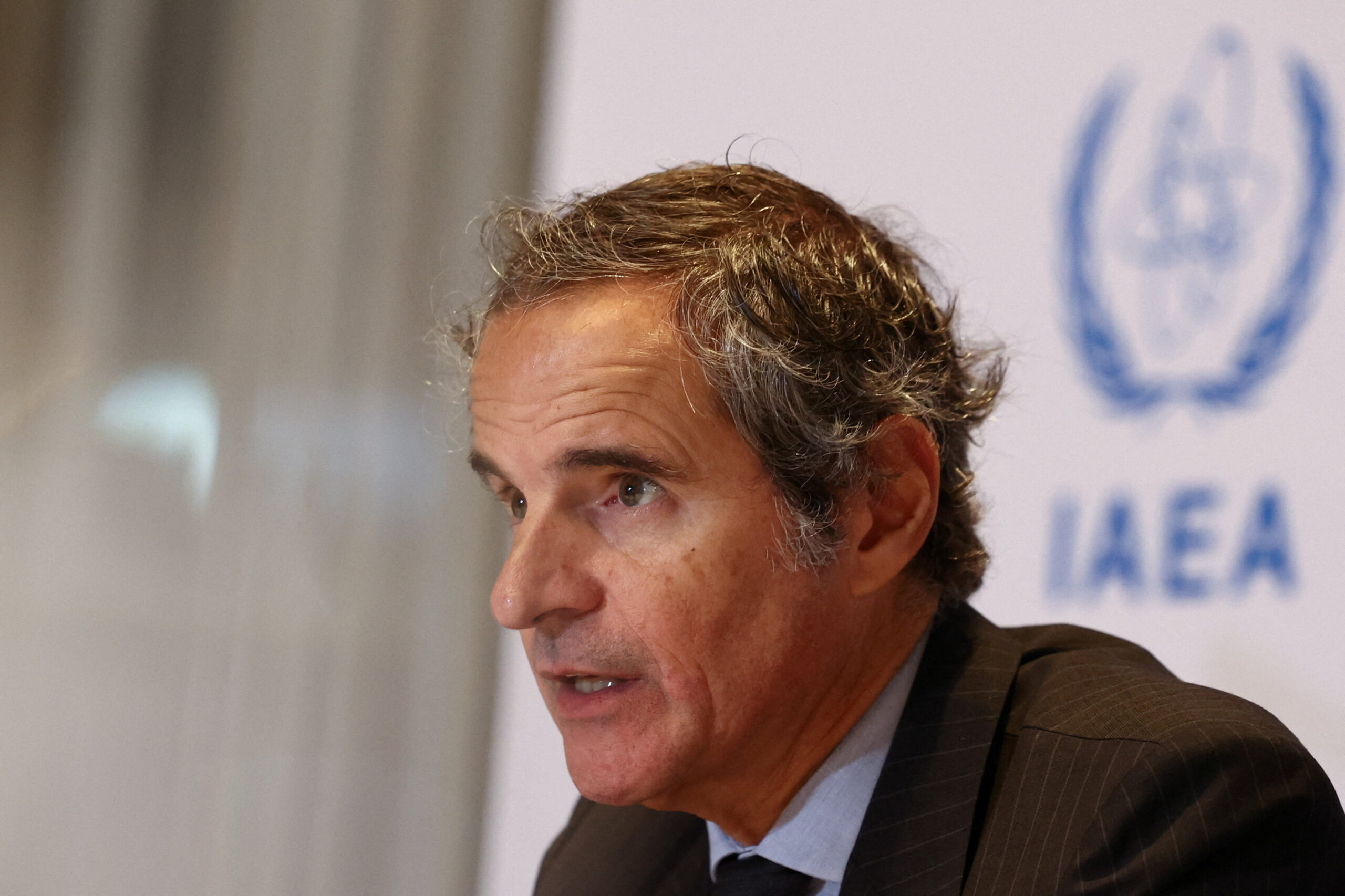
Recently, the international community has been alerted to an attack on the Barakah nuclear power plant in the United Arab Emirates. The incident has drawn strong condemnation from Rafael Grossi, the Director General of the International Atomic Energy Agency (IAEA). In a clear expression of support for the UAE, Grossi emphasized that such attacks are unacceptable and reaffirmed the agency’s commitment to providing both moral and technical assistance. This incident underlines the significant role the IAEA is poised to play in future discussions regarding international nuclear agreements.
Grossi’s Strong Stance Against the Attack
During his visit to the UAE, Grossi made it unequivocally clear that the incident at Barakah “is unacceptable.” He articulated the purpose of his visit as being “to express the agency’s support,” underscoring the pressing need for global collaboration on nuclear safety. “The attack on the Barakah nuclear plant contravenes the agency’s decisions and the United Nations’ regulations that prohibit such actions,” he noted, highlighting the critical nature of international law in nuclear energy security.
Response and Security Measures
Grossi praised the swift response of UAE authorities, stating, “The UAE authorities responded rapidly to the attack on the Barakah plant.” This acknowledgment reflects the effectiveness of the measures implemented by the UAE to ensure the security and operational integrity of its nuclear facilities. The IAEA leader reiterated, “Emergency protocols were applied perfectly following the attack on the Barakah plant,” emphasizing the importance of readiness in mitigating potential threats to nuclear safety.
The Bigger Picture: Regional and International Diplomacy
Linking the incident to broader geopolitical dynamics, Grossi addressed the implications for international diplomacy, particularly concerning the ongoing discussions between the United States and Iran. He asserted, “The IAEA will play a role in any form of agreements between the U.S. and Iran,” indicating that the agency’s involvement is crucial for maintaining transparency and safety standards in nuclear energy across the region.
In supporting the UAE, Grossi reinforced that the IAEA offers not just moral backing but also technical support, crucial for enhancing nuclear safety standards. This commitment reflects the agency’s dedication to ensuring that nuclear facilities operate under stringent safety protocols, reinforcing the global norm that attacks on such installations are wholly intolerable.
The attack on the Barakah nuclear plant has spotlighted the vulnerabilities inherent in nuclear energy infrastructure and the importance of international cooperation to safeguard these facilities. It also serves as a reminder of the IAEA’s vital role in promoting nuclear safety and stability, ensuring that such incidents do not undermine efforts at peaceful nuclear development around the world.