
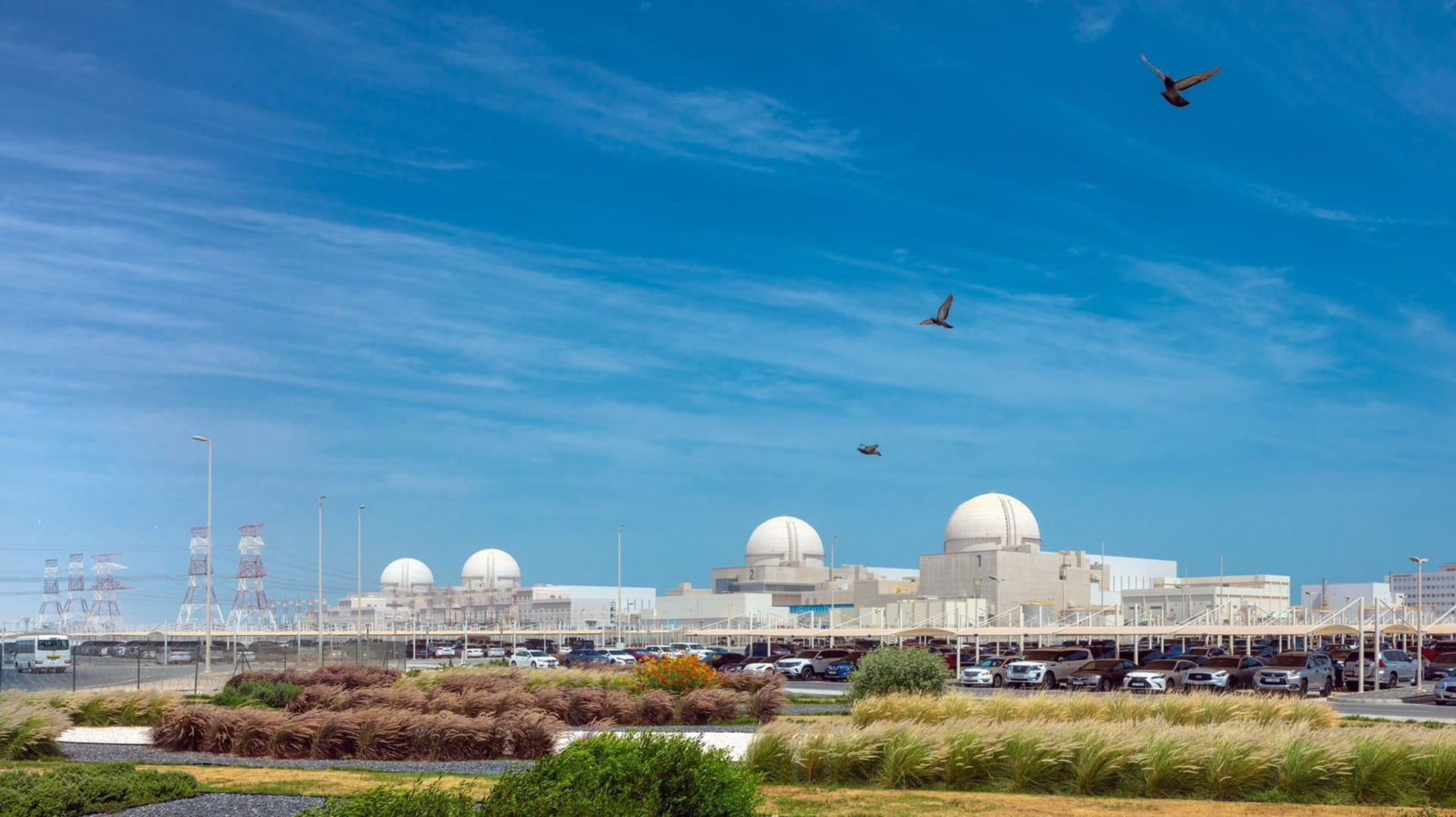
The Barakah Nuclear Power Plant represents a significant breakthrough in the UAE’s energy sector, contributing 57% to household electricity bills. This percentage reflects the remarkable progress the UAE has made in the use of peaceful nuclear energy, which aids in achieving sustainability and reducing carbon emissions. This article will explore the impact of the Barakah plants on the energy sector and how they support the global sustainability goal.
The Role of Nuclear Energy in Promoting Sustainability
Peaceful nuclear energy is a fundamental pillar of the UAE’s sustainability plan, providing clean electricity available around the clock. According to statements from the Emirates Nuclear Energy Corporation, the Barakah Nuclear Power Plant contributed 57% to household electricity bills last month. This highlights the importance of Barakah plants in supporting energy security and sustainability, as they directly contribute to reducing the carbon footprint.
Climate Goals by 2050
The company stated that its participation in “Abu Dhabi Sustainability Week 2026” underscores the pivotal role of nuclear energy, both locally and internationally. As the demand for electricity rises significantly, the UAE aims to achieve climate neutrality by 2050, supported by the Barakah Nuclear Power Plant. These efforts are centered around transitioning to clean energy sources and ensuring a green future for generations to come.
Developing Advanced Nuclear Energy Technologies
The Emirates Nuclear Energy Corporation aims to expand its global partnerships and research and development efforts in the nuclear energy sector. In its efforts to meet the increasing demand for electricity, it seeks to explore opportunities for developing advanced technologies such as small modular reactors. This approach combines innovation with operational efficiency, contributing to achieving the outlined climate goals, with the Barakah Nuclear Power Plant as a key component of the future strategy.