
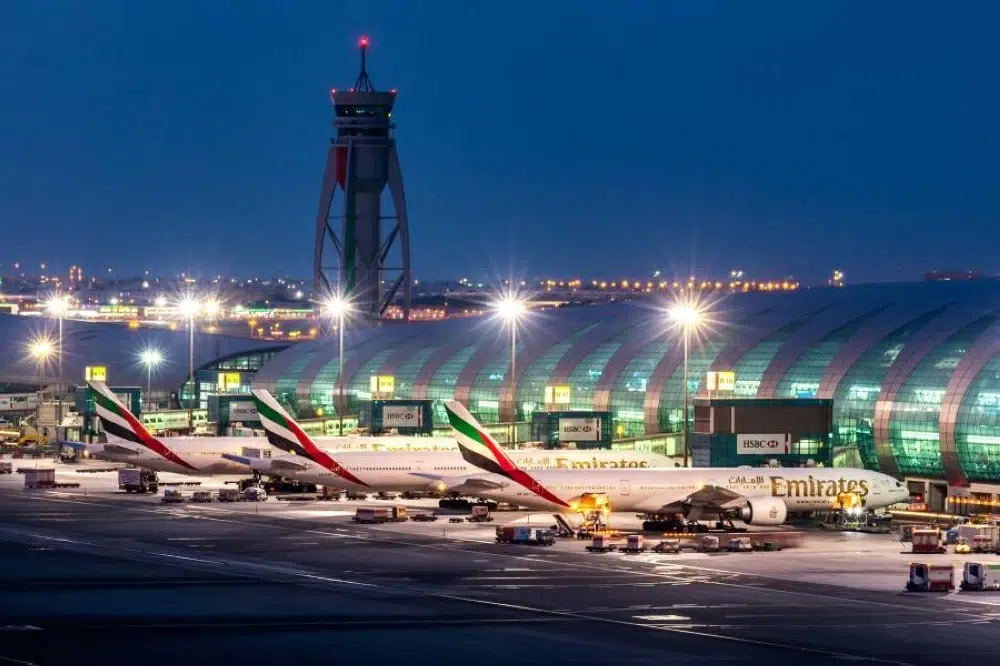
In 2024, Abu Dhabi International Airport exceeded expectations by witnessing unprecedented levels of air traffic. With a combination of sustainable growth in passenger numbers and cargo, the airport continued to strengthen its position as a major hub in the aviation sector. The expansion of the international destination network and the opening of new facilities have supported these successes, making the emirate an attractive destination for travelers.
Expansion in Destinations and Airlines
In 2024, there was a significant increase in the air connectivity network, with the number of destinations served by Abu Dhabi Airport rising to over 125 international locations. Among these, 29 new destinations were launched, including strategic markets in Asia, Europe, and Africa. Additionally, eight new airlines joined the list of carriers operating from the airport, such as British Airways, Akasa Air, and Flynas, contributing to increased competition and providing more options for travelers.
Numbers Reveal Hidden Dominance
Abu Dhabi International Airport is the second-largest airport in the UAE after Dubai in terms of passenger traffic and ranked eighth among the busiest airports in the Middle East, accommodating 29.4 million passengers in 2024. The airport spans a vast area of 6,000 hectares and serves over 24 airlines offering flights to 128 destinations. This growth has been accompanied by significant infrastructure development, including the opening of the new passenger terminal “Terminal A” in November 2023, which increased the airport’s capacity to 45 million passengers annually, with plans to expand to 60 million.
The Impact of Air Traffic on the Economy
Abu Dhabi Airport recorded a 10% increase in the number of flights, rising from 226,000 to 249,000 flights, while air cargo grew by approximately 21%, reaching 678,000 tons. These figures reflect the increasing demand from key markets such as the UK, India, Qatar, and Egypt, demonstrating the diversity of the emirate’s destinations and its appeal to both travelers and traders. The achievements did not stop there; the airport was awarded the title of “Most Beautiful Airport in the World” at the Prix Versailles architectural design awards, further enhancing its attractiveness as a preferred destination for travelers.
The increase in air traffic will undoubtedly support the hospitality, real estate, and trade sectors. According to official statistics, Abu Dhabi aims to raise the contribution of the tourism sector from around 46 billion dirhams in 2023 to over 90 billion by 2030, with its international airport being the primary gateway to achieving these ambitions.