
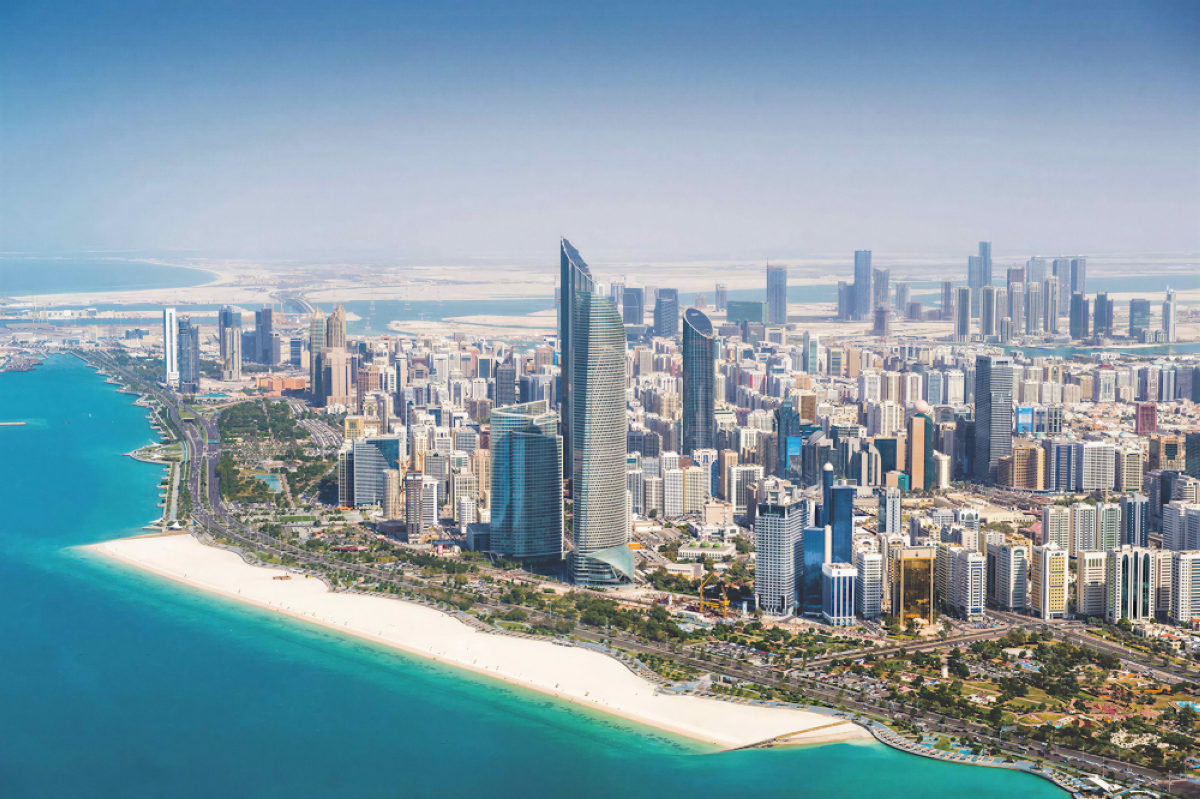
The foreign trade sector of Abu Dhabi is on a remarkable growth trajectory, with non-oil trade exceeding 415 billion dirhams by 2025. This impressive figure underscores the emirate’s position as one of the fastest-growing economies in the foreign trade landscape, driven by expansive commercial activities and reinforced economic partnerships with global markets. This article explores the significant growth patterns of Abu Dhabi’s non-oil foreign trade, highlighting key statistics and insights from local officials.
Growth in Non-Oil Trade
Recent statistics from Abu Dhabi Customs indicate a significant increase in the emirate’s non-oil foreign trade in 2025, surging by 36% to reach an impressive total of 415.4 billion dirhams. This marks a notable rise from approximately 306 billion dirhams recorded in 2024, reflecting Abu Dhabi’s exceptional status in the global trade sector.
Export and Import Performance
Exports in the non-oil category showcased remarkable growth with a 63% increase in 2025, totaling 175.4 billion dirhams compared to 107.8 billion dirhams in the previous year. Imports also saw a 22% rise, reaching 170.4 billion dirhams, up from 140.2 billion dirhams in 2024. Notably, re-export activities expanded by 20%, amounting to 70 billion dirhams, illustrating a robust trade ecosystem driven by diverse economic exchanges.
Insights from Economic Leaders
His Excellency Ahmed Jassim Al Zaabi, Chairman of the Department of Economic Development – Abu Dhabi, stated that the 2025 non-oil foreign trade indicators reflect the efficiency and success of the comprehensive system Abu Dhabi has developed to enhance growth and sustainability. He noted that this remarkable growth is the result of cohesive policies, efficient infrastructure, and accessibility to markets, enabling swift and reliable trade flows.
Rashed Lahij Al Mansoori, Director General of Abu Dhabi Customs, emphasized that the achieved results serve as a testament to the emirate’s successful diversification and sustainability strategies. He highlighted the effectiveness of partnerships between the public and private sectors and the integral role of the customs system in promoting a thriving business environment. Furthermore, he mentioned ongoing developments within Abu Dhabi Customs aimed at enhancing trade facilitation and ensuring the emirate’s status as a global trade and investment hub.
Dynamic Trade Modalities
In terms of transportation methods, the distribution of foreign trade through various channels indicates a balanced diversification. In 2025, air freight accounted for 33.5% of the total trade, while land and maritime transport represented 35% and 31.5%, respectively. This effective logistics structure continues to bolster Abu Dhabi’s reputation as a reliable center for international trade.
Ultimately, the projected non-oil foreign trade growth in Abu Dhabi highlights the emirate’s strategic planning and robust infrastructure, securing its position as a competitive player in the global trade arena. As Abu Dhabi forges ahead, continuous efforts in expanding partnerships and enhancing logistical capabilities will further solidify its reputation on the world stage.