
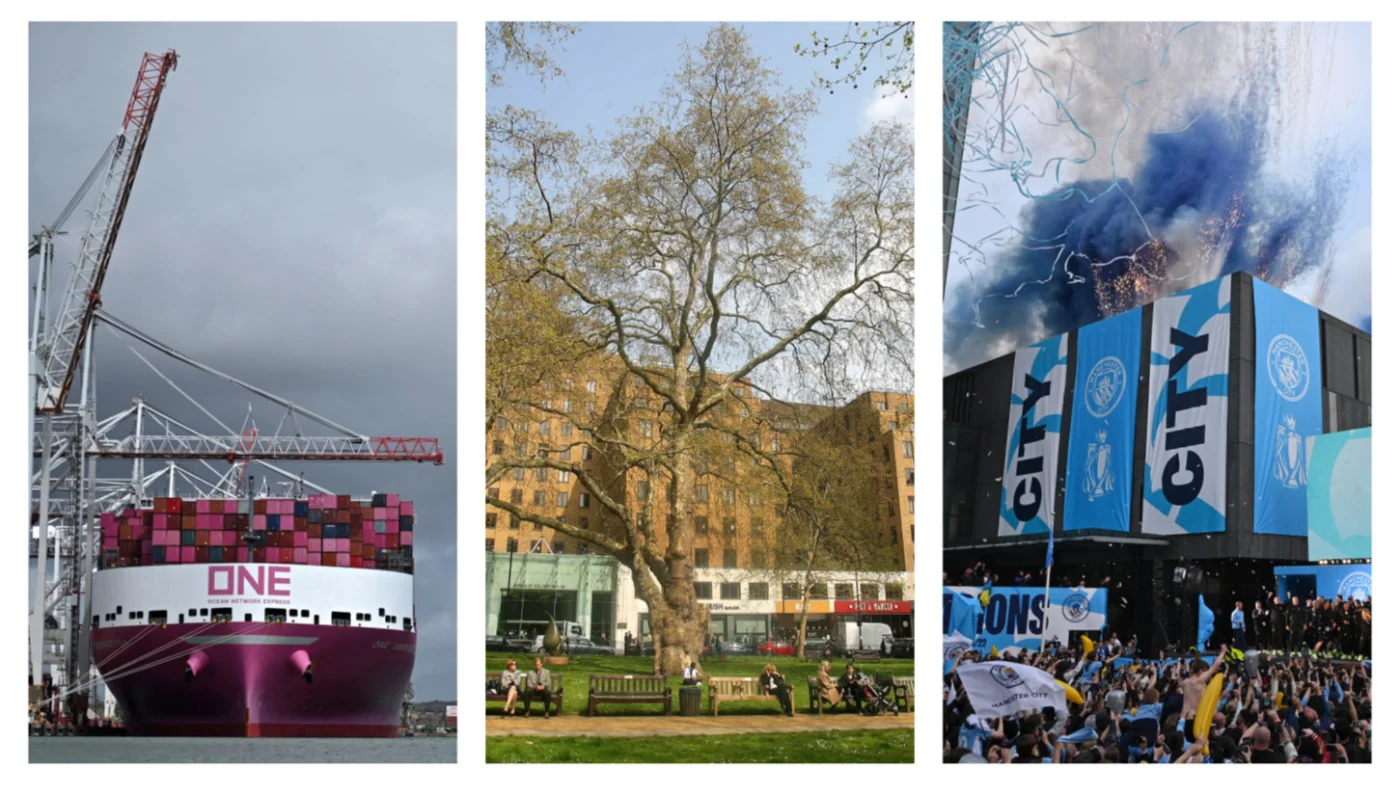
Recent investments by Abu Dhabi and Dubai in the United Kingdom have shifted from a cause for official celebration to a focal point of political and media scrutiny, especially in light of allegations of corruption and questionable influence peddling. This influx of funds, which spans sports clubs, ports, real estate, financial firms, and media organisations, has raised significant questions about the extent of influence accompanying these investments and the ability of British authorities to enforce regulations without succumbing to economic interests.
Investment Commitment and Questions of Ownership
Between 2021 and 2026, Abu Dhabi has committed to investing approximately $30 billion in the UK as part of a sovereign investment partnership between the two countries. However, the expansion of this partnership prompts questions that mere investment figures cannot answer: Who actually owns the assets? What are the terms of the deals? How are the relations between state-owned enterprises and British public institutions monitored?
The Manchester City Case: A Cautionary Tale
The case of Manchester City looms large in this context. Acquired by Sheikh Mansour bin Zayed Al Nahyan in 2008, the club has become a notable symbol of Emirati sporting influence in Britain. In September 2026, an independent committee associated with the Premier League found serious financial violations at the club over nine seasons, including arrangements deemed fictitious and the submission of inaccurate accounts, thereby concealing the true financial situation from auditors and regulators.
The committee estimated the impact of these schemes at over £900 million, with the club appealing the decision and the penalties yet to be resolved. The significance of this case extends beyond the club’s future; it tests whether the rules apply equally to all organisations, including those supported by politically and financially influential investors.
Political Reactions and Broader Implications
This controversy has shown the tightly woven fabric of sport and economic relations, as British Prime Minister Andy Burnham expressed concern about the potential decline of Emirati investments, raising fears that his comments might be interpreted as pressure on the path of independent regulation.
The Emirati presence in sports is extensive, from Emirates’ sponsorship of Arsenal’s stadium and the FA Cup to Dubai’s ownership of the Godolphin horse racing stable. Abu Dhabi’s CYVN Holdings has a stake in McLaren, further cementing its footprint in high-profile enterprises. While these investments bolster Emirati visibility in major sporting institutions, they invite increasing scrutiny around the line between commercial sponsorship and political influence.
Strategic Assets and Opaque Dealings
In Manchester, the United Arab Emirates’ investments extend beyond the football club. The Abu Dhabi United Group has entered into real estate development projects in collaboration with the city council, including the “Manchester Life” project in Ancoats. Some of these arrangements have faced criticism, as the council granted the group first refusal rights on certain projects, a perceived preferential deal that limited competition. The lack of publicly available information about some agreements complicates the assessment of public returns for the city.
In London, Emirati entities own luxury properties in premier areas like Mayfair and Knightsbridge, among other assets including rural properties and the ExCel exhibition centre. Reports indicate that some properties were transferred via companies registered in tax havens, and the precise ownership of particular real estate can remain unclear following asset distribution among heirs. While such ambiguity does not necessarily indicate misconduct, it highlights the pressing need for transparent ownership records, particularly when assets hold public value or are tied to sovereign funds.
Pivotal Role in Infrastructure and Media
Dubai Ports World operates the London Gateway and Southampton ports, and owns the shipping company P&O. The firm faced severe backlash in 2022 after dismissing around 800 British employees and replacing them with temporary workers earning below Britain’s minimum wage. This incident reignited discussions on whether foreign companies managing critical infrastructure are subject to the same employee protections and accountability standards as domestic firms.
Cross-Sector Influence and National Security Concerns
The Emirati investment landscape extends into data centres, renewable energy, telecommunications, water, and airports. Mubadala has invested in a company that operates data centres, while Masdar holds stakes in British wind projects, and the Abu Dhabi sovereign fund previously had interests in Gatwick Airport. In communications, the British government compelled the emirate-backed Etisalat to establish a special committee to oversee sensitive operations after flagging its stake in Vodafone as a potential national security threat.
This led to the sale of its £4.4 billion stake, illustrating that national security concerns extend beyond direct ownership of infrastructure to encompass access to sensitive data or strategic operations. In the media sector, Abu Dhabi’s attempts to acquire The Telegraph and The Spectator were thwarted by legal amendments aimed at preventing foreign government officials from owning media companies, reflecting a growing recognition of the risks associated with concentrating media ownership in the hands of entities linked to foreign governments.
The Necessity for Transparency and Accountability
The sensitivity of commercial relations has been exacerbated by allegations that the UAE supports the Rapid Support Forces in Sudan, claims that the government denies. While these reports do not definitively assign blame, they underscore the need for accountability regarding Emirati involvement and calls for increased transparency alongside its burgeoning economic relations in Britain.
Observers highlight that foreign investment can generate jobs and fund projects, yet such benefits do not immunise investors from scrutiny, nor should objections to their influence be seen as opposition to growth. As Abu Dhabi and Dubai expand in vital British assets, the importance of ownership and funding transparency, the independence of regulatory bodies, and the safeguarding of worker rights and public interests become paramount. Should the potential withdrawal of investments be wielded as leverage in response to legitimate inquiries, this would transform economic partnerships into tests of British institutions’ resilience against money and influence.