
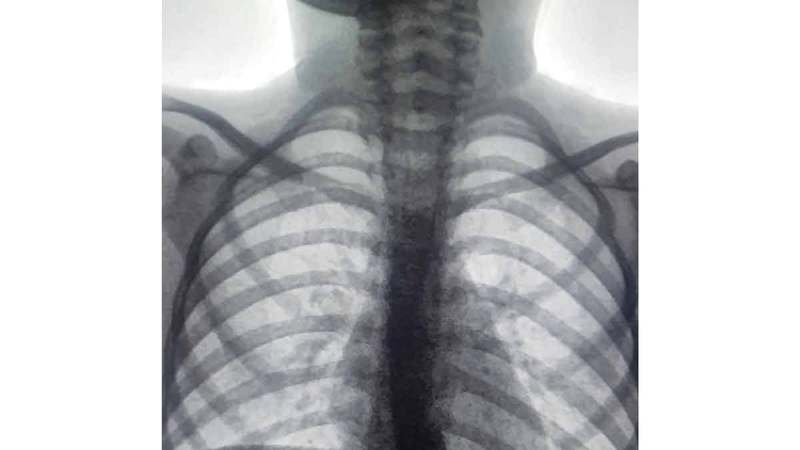
At “Tadawi” Hospital in Dubai, a multidisciplinary medical team has successfully diagnosed and treated a rare condition known as achalasia in a young girl who had been suffering with symptoms that had gone undiagnosed for years. This condition affects approximately one in a million children and can significantly impact their quality of life.
Unaddressed Symptoms Lead to a Comprehensive Assessment
The child’s journey began with a visit to the hospital’s paediatric clinic, where she presented symptoms that initially resembled those of a common cold. However, her treating physician noted that her height and weight were below the expected norms for her age, prompting a more thorough medical evaluation.
In discussions about her medical history, the girl’s mother disclosed that her daughter had been experiencing difficulty swallowing and acid reflux for about three years. Despite ongoing treatment for these symptoms, a precise diagnosis had remained elusive.
Diagnostic Breakthrough
The significant delay in the girl’s growth piqued the medical team’s interest, leading them to recommend specialised diagnostic tests. In collaboration with the hospital’s radiology department, the child underwent a barium swallow study, allowing the team to identify the root cause of her symptoms in a remarkably brief timeframe of approximately ten minutes.
The results revealed that she had achalasia, a rare disorder characterised by the failure of the lower oesophageal muscle to relax properly, obstructing food and liquids from passing into the stomach. This condition can lead to persistent difficulty swallowing, recurrent pain, chronic acid reflux, and negatively affect a child’s growth and development if not diagnosed and treated promptly.
Successful Treatment and Improved Quality of Life
Following the diagnosis, the young patient underwent a successful endoscopic procedure at “Tadawi” Hospital. This intervention restored her ability to swallow normally and without pain, enabling her to resume her growth and improve her overall quality of life.
The medical team at “Tadawi” emphasised the critical importance of considering even minor symptoms in the broader clinical picture, as they may indicate rare conditions that require precise diagnosis. The collaboration among various medical specialties at the hospital was integral to the swift identification of the correct diagnosis and the development of an appropriate treatment plan.
A Call to Parents
The team encourages parents to remain vigilant and not dismiss persistent or unusual symptoms in their children, particularly those related to swallowing difficulties or unexplained growth issues. Early and accurate diagnosis is crucial for effectively managing many rare diseases, enabling children to lead healthy, normal lives.