
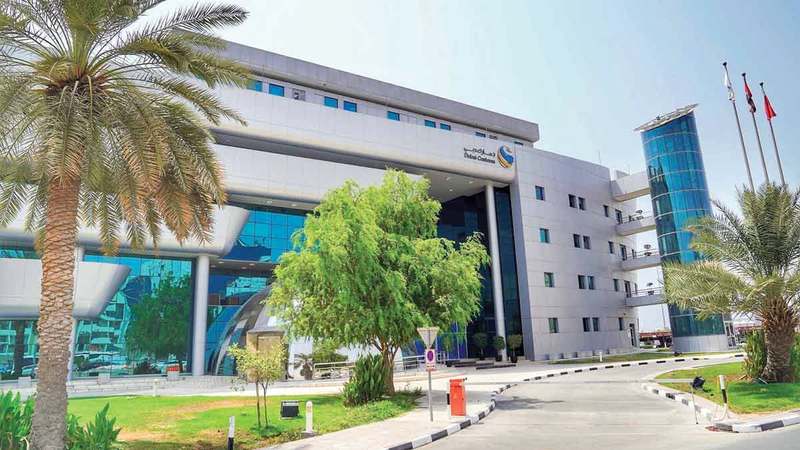
Dubai Customs stands out as a key pillar in enhancing the resilience of supply chains and facilitating trade, showcasing its exceptional ability to turn challenges into significant opportunities. Through an integrated operational system characterized by innovation and efficiency, Dubai Customs has effectively maintained the flow of essential goods to local and regional markets, despite geopolitical changes affecting global trade movements.
Flexible Strategy and Remarkable Successes
Dubai Customs has confirmed that the operational indicators and proactive measures it implemented have significantly contributed to enhancing the emirate’s efficiency in facing challenges. The continuity of goods flow was achieved in collaboration with Emirates SkyCargo, which facilitated customs clearance procedures at both Dubai International Airport and Al Maktoum Airport. These efforts resulted in an 82% increase in the total imported goods cleared, with the total weight rising from 26,559,019 kilograms in January to 48,259,442 kilograms in May.
Dubai’s Role as a Regional Logistics Hub
The report indicates that the efforts made by Dubai Customs have extended beyond the local market, as they have worked to enhance supply chains in the Gulf Cooperation Council (GCC) countries. Effective management of logistical flows during May, with 529 trips made, helped transport 2,636 tons of essential goods, reflecting Dubai’s commitment to playing a vital role in supporting regional trade.
Leadership Guidance and Its Central Role
Under the leadership of Sheikh Mohammed bin Rashid Al Maktoum, Dubai has demonstrated an exceptional ability to seize opportunities from every challenge it faces. Abdullah bin Dmeithan, CEO of the Ports and Customs Authority, noted that Dubai’s resilience and creativity in responding to changes strengthen its role as a leading trade hub. He stated, “The recent challenges were a new test that demonstrated Dubai’s ability to establish its position in the global trade system.”
The Future of Global Trade in Dubai
Dr. Abdullah Bousnada, Director General of Dubai Customs, reinforced this viewpoint, emphasizing that Dubai’s readiness to adapt to economic transformations reflects investments in a developed economic and logistical environment characterized by resilience and preparedness. He mentioned that the development of digital solutions and smart services aligns with the objectives of Dubai’s Economic Agenda D33, enhancing its status as a primary gateway for global trade.
In turn, Badr Abbas, Senior Vice President of Air Cargo, added that the partnerships between Dubai Customs and government entities contribute to ensuring the smooth flow of vital shipments and help meet global market needs. This data reflects Dubai’s ongoing commitment to providing a healthy and efficient business environment.