
The United Nations has raised alarms regarding the recent drone attack near the Barakah nuclear power plant, highlighting it as a potential violation of international law and a significant threat to regional stability. This incident amplifies concerns about escalating tensions in the Middle East, prompting calls for immediate de-escalation and protection of vital infrastructure. As tensions rise, the implications of such attacks extend far beyond immediate conflict, emphasizing the urgent need for the international community to address these breaches of peace.
UN Secretary-General’s Concerns Over Recent Attacks
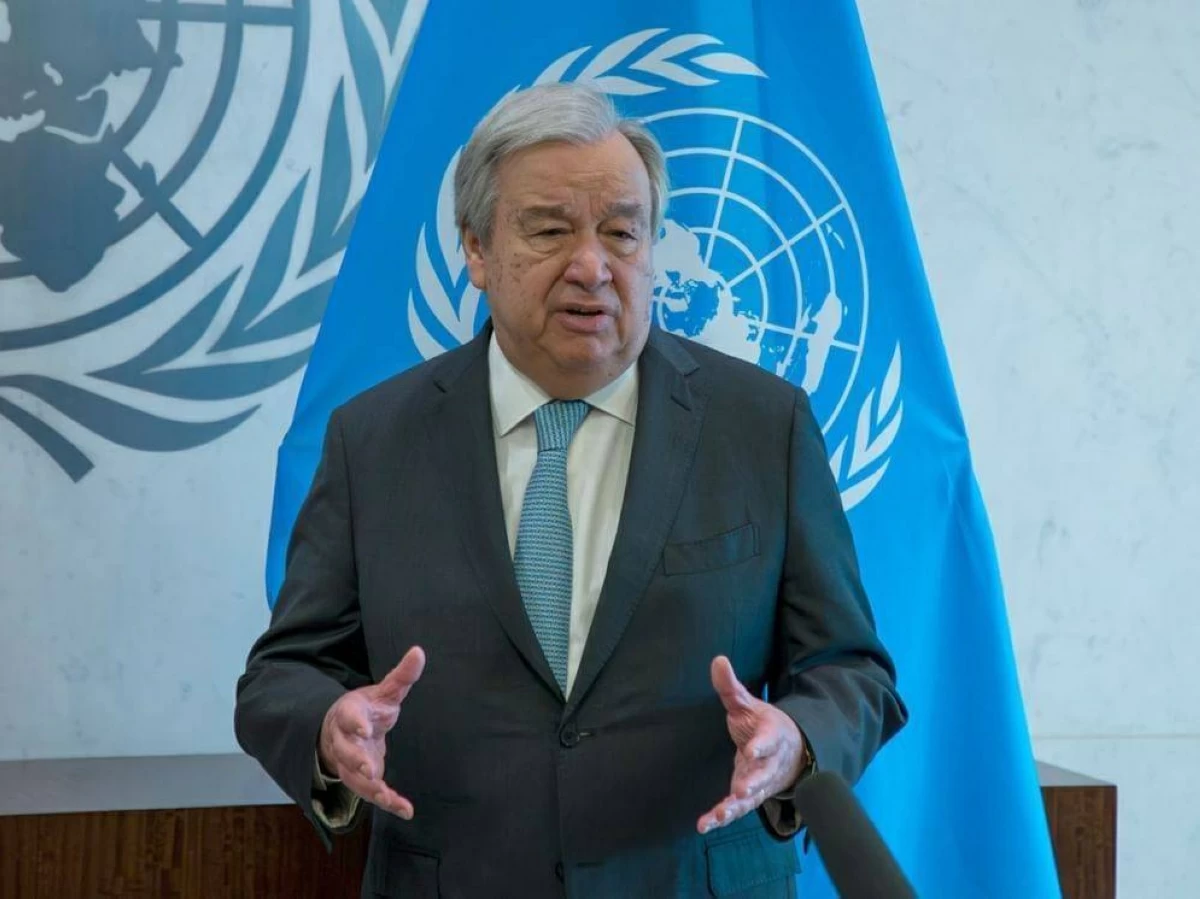
Antonio Guterres, the Secretary-General of the United Nations, expressed serious concern over reports that a drone attack near the Barakah facility caused a fire at a generator within the premises of the nuclear power plant located in Abu Dhabi, United Arab Emirates. In a statement released Monday morning, Guterres reiterated his ongoing warnings about the dangers of any further escalation in the conflict in the Middle East. He deemed the attack near the Barakah nuclear power plant as further justification for all parties involved to cease hostilities and avoid actions that compromise regional stability.
Violation of International Law
Guterres emphasized the necessity of not targeting civilian infrastructure, which includes nuclear power stations. He firmly stated that any attacks on nuclear facilities are completely unacceptable and represent a clear violation of international law. The urgent call to condemn these drone strikes reflects a broader concern about the potential ramifications of assaulting critical infrastructure on both regional and global security. He urged the international community to take a definitive stance against such actions, noting the escalating security tensions within the region.
Implications for Regional Security
The UN Secretary-General’s warnings come amid rising security concerns, with international fears mounting regarding the impacts that attacks on vital and sensitive facilities may have on both regional and global safety. As the conflict continues, the potential for further escalations remains high, warranting vigilant monitoring and immediate action to prevent further violations of international law. The targeting of the Barakah nuclear power plant not only poses immediate danger but also threatens to destabilize the broader geopolitical landscape, necessitating a unified response from the international community.
The Need for Diplomatic Resolution
In light of these developments, the UN calls for diplomatic efforts to address the underlying issues that contribute to such violent escalations. The focus on the Barakah nuclear power plant incident exemplifies the urgent need for a collective effort to ensure the protection of crucial infrastructure and maintain peace within the region. As this situation unfolds, it is paramount that international law is upheld and that all parties commit to avoiding actions that could further threaten stability. The implications of ignoring these principles could extend well beyond immediate repercussions, risking a cycle of violence that could engulf more areas in conflict.