
The Iranian Aggression Against Our Nations Was Pre-Planned, Not a Sudden Reaction
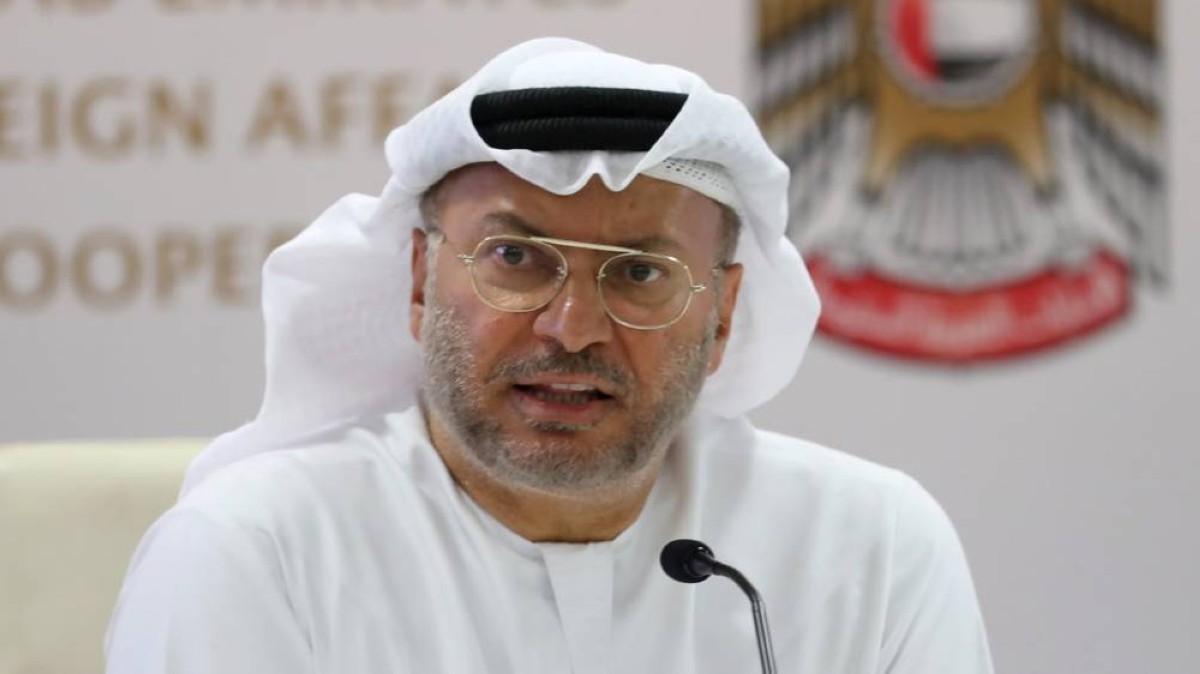
The brutal Iranian aggression against our nations raises numerous questions about Tehran’s true intentions. It has become clear that this aggression was not merely a spontaneous reaction; rather, it was premeditated. This understanding is reinforced by the statements of prominent figures in the region, such as His Excellency Dr. Anwar Gargash, the diplomatic advisor to the President of the State, who emphasized the importance of understanding the dimensions of this aggression and its profound impacts on regional security during a session on reassessing alliances.
The Ferocity of Iranian Aggression and Its Consequences
Dr. Gargash pointed out that the ferocity of Iranian aggression exceeded all expectations. Gulf countries have been striving to avoid war, and there was an implicit agreement not to use Gulf territories against Iran. However, the Iranian aggression against its neighbors confirmed that it was planned, reflecting a broader strategy for regional dominance.
The Failure of Containment Policy
As the international community seeks to understand these dynamics, the Minister of State expressed concern over the failure of the containment policy that has been pursued with Iran. He clarified that it is time to reassess the situation following this brutal aggression, noting that cooperation among Gulf states, despite being logistically supported, has not been sufficient politically or militarily. Furthermore, there has been a clear weakness in the response from Arab states, raising questions about the effectiveness of that response.
A Call for Change and Correction
In light of these crises, Dr. Gargash called for a change in the Gulf narrative, emphasizing the need to move away from a “shy and conciliatory narrative.” There must be a unified Gulf voice that reflects reality and addresses the current challenges in the region. He expressed hope for a political solution that considers the interests of all concerned nations, drawing on lessons learned from previous crises.
Toward a More Stable Future
In his remarks, he noted that Iran is already acting as a major power even in the absence of nuclear weapons, raising questions about the nature of the situation if it were to acquire them. To transition from a state of crises to stability, it is essential to address strained relationships through rational and firm management, as trust takes time to rebuild. The situation following the brutal Iranian aggression requires a comprehensive reassessment to ensure an integrated strategy for the region’s security.
Ultimately, Gargash emphasized the importance of learning lessons from this crisis, highlighting the necessity of self-reliance and reinforcing Gulf unity. We must reassess our strategies and prevent any external interference in our region’s affairs to effectively and sustainably confront this brutal Iranian aggression.