
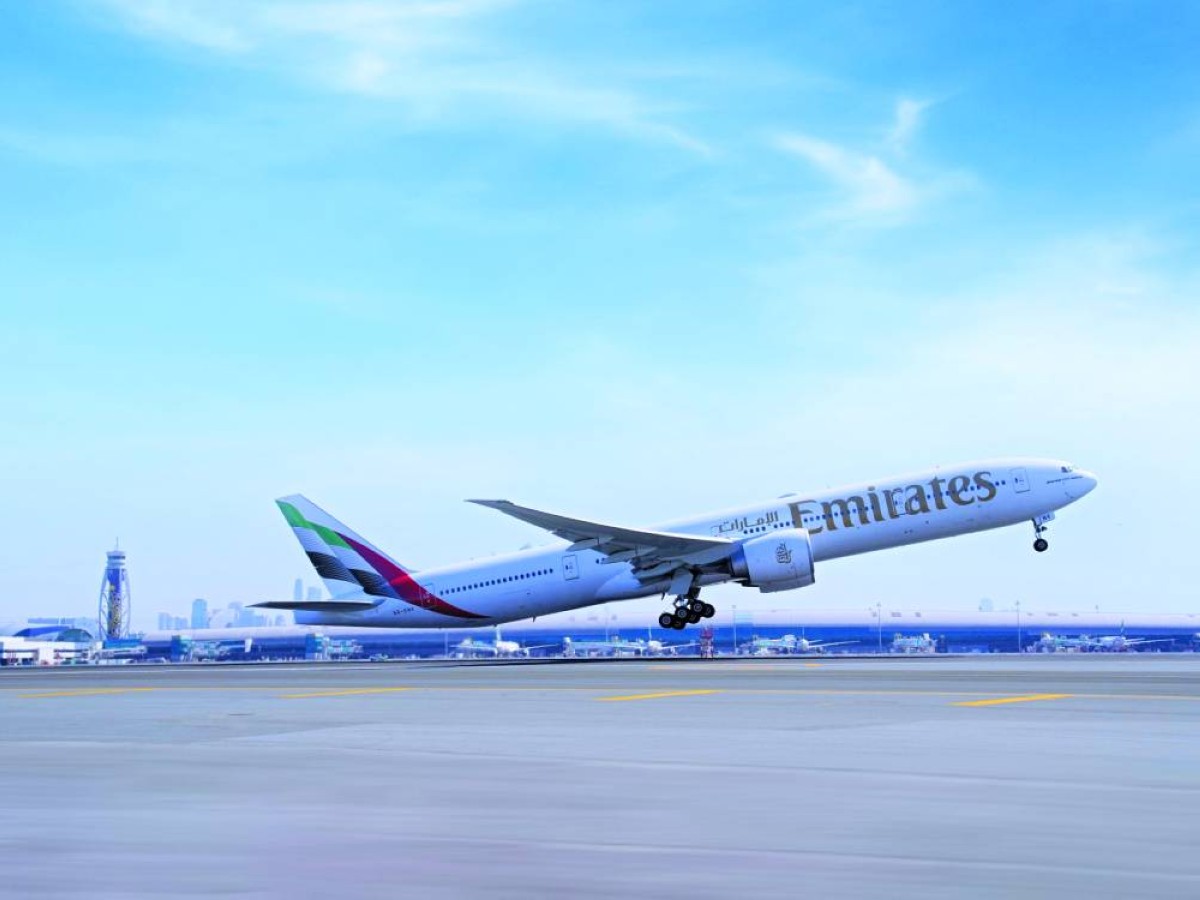
National Carriers: Leadership and Pioneering in the Full Resumption of Flights
National carriers are prominent leaders in the aviation sector, having swiftly resumed full flight operations after facing numerous challenges. With global travel demand on the rise, these carriers have demonstrated exceptional adaptability and evolution, reflecting their complete readiness compared to competitors. In this article, we explore how national carriers have distinguished themselves in revitalizing their operations and securing a prosperous future in the aviation world.
Overcoming Global Crises
Recently, the global aviation sector faced significant geopolitical crises, particularly with the outbreak of conflict related to Iran, which negatively impacted air traffic in the Middle East, a strategic hub for passenger and cargo transport. Major airspaces were closed, thousands of flights were disrupted, and operational costs soared, presenting many companies with new challenges.
However, national carriers such as Emirates, Etihad Airways, Flydubai, and Air Arabia skillfully managed these crises, showcasing exceptional operational flexibility by swiftly adjusting flight routes to avoid specific areas. This approach helped them maintain a significant portion of their global network and business.
Securing New Growth Opportunities
National carriers exhibit remarkable readiness to turn challenges into opportunities, leveraging their robust infrastructure and geographical location. During periods of crisis, they maintained a substantial part of their operational framework, enabling them to prepare for a rapid return to global markets once the crises subsided. This was manifested in an impressive increase in daily flights and the restoration of previous schedules.
This resurgence, fueled by pent-up travel demand, is expected to double the number of travelers passing through the country’s airports, reflecting the strength of the tourism sector and increasing flight occupancy rates. The benefits extend not only to the companies but to the national economy as a whole.
Restoring Aviation’s Status in the Region
The full resumption of flights by national carriers is of paramount importance for airlines in the region, which rely on their geographical location as a key transit point for international flights. Any easing of crises will enhance transit traffic and attract more connecting flights, thereby supporting the economic activity of the sector.
Cargo airlines are also closely monitoring these developments, as they depend on stability in air routes to achieve fast and efficient transport of goods. The restoration of certain routes or the opening of new corridors will reduce shipping times and improve the reliability of supply chains, especially in sectors that require rapid transport.
A Model of Resilience in the Face of Challenges
National carriers represent a model of resilience in facing crises, as they continue to provide their services efficiently despite challenges. Their success is not limited to mere survival; they have transformed crises into opportunities that enhance their global standing. These carriers rely on innovation and flexibility to create well-considered strategies that align with evolving market demands.
The experience of national carriers reflects the exceptional importance of innovation and strategic planning in the aviation industry, bolstering confidence in their ability to confront the future with strength and readiness, benefiting from their operational superiority compared to competitors. These attributes position national carriers at the forefront of global aviation.