
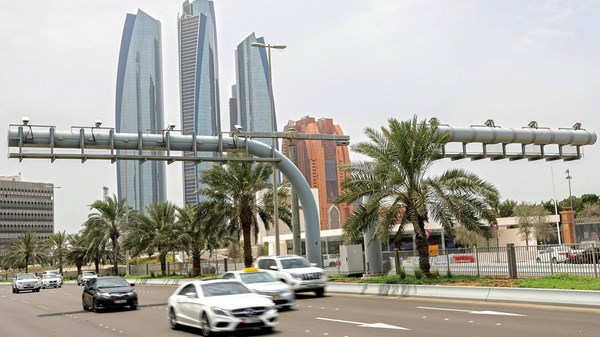
Integrated Transport Employs Artificial Intelligence to Predict Accidents
The Emirate of Abu Dhabi continues its rapid advancements in developing “integrated transport” through technological innovations, including the application of artificial intelligence to predict accidents. This modern traffic safety management system represents a significant leap in how road accidents are monitored and analyzed. This intelligent system supports efforts to enhance road safety and improve infrastructure efficiency, aligning with the emirate’s vision to build a safer and more sustainable transport network.
Transformation in Traffic Safety Management Approaches
Sumaya Al Neyadi, head of the Traffic Safety Department at the Integrated Transport Center, confirmed that the new system signifies a fundamental shift in the concept of traffic safety management. She explained that the focus will be on adopting a proactive approach based on predictive analytics, as the center aims to move beyond traditional methods that rely on responding to accidents after they occur.
Al Neyadi stated, “Through this system, the center seeks to transition from the traditional model of responding after accidents occur to a proactive approach that monitors risky behaviors and predicts potential accident areas, relying on artificial intelligence and big data.” This transformation contributes to achieving the zero vision goal of reaching zero traffic fatalities by 2040 by continuously improving road safety levels and assessing the impact of interventions taken.
Advanced Technology for Accident Monitoring
The system is based on a range of modern technologies, including vision and language models used to analyze traffic behaviors through surveillance cameras. Thermal maps are also employed to instantly identify high-risk areas, enabling stakeholders to take necessary measures quickly. Al Neyadi clarifies that “predictive artificial intelligence technologies” play a pivotal role in identifying potential accidents and assessing their severity.
Additionally, the interactive reports integrated into the system provide continuous data on safety indicators, enhancing assessment accuracy and aiding in immediate and effective action. This technology enables field teams to direct patrols to hotspots more accurately and evaluate the effectiveness of on-ground solutions.
System Integration with Other Technologies
The system has been noted to effectively integrate with several other systems in the emirate, such as traffic signal monitoring systems and accident management platforms. This integration aims to improve traffic flow and reduce congestion, which is one of the driving factors behind accidents. It also enhances emergency response speed by linking data and various systems, providing a comprehensive and integrated view.
Promising Future in Transport Management
Looking to the future, Al Neyadi explained that the next phase will witness an expansion of coverage to include more roads and intersections, in addition to increasing the number of smart cameras. There is also a focus on developing advanced algorithms that contribute to improving the ability to predict accidents based on user behavior analysis on the roads.
Al Neyadi mentioned the work on developing innovative applications that include enhanced predictive modeling and a smart traffic safety guide, which will offer evidence-based recommendations and economic analysis. She emphasized that the “integrated transport system” represents a strategic opportunity to enhance the emirate’s capacity to develop a safe and advanced transport system, reflecting Abu Dhabi’s commitment to leveraging data and artificial intelligence to achieve a safe traffic environment.