
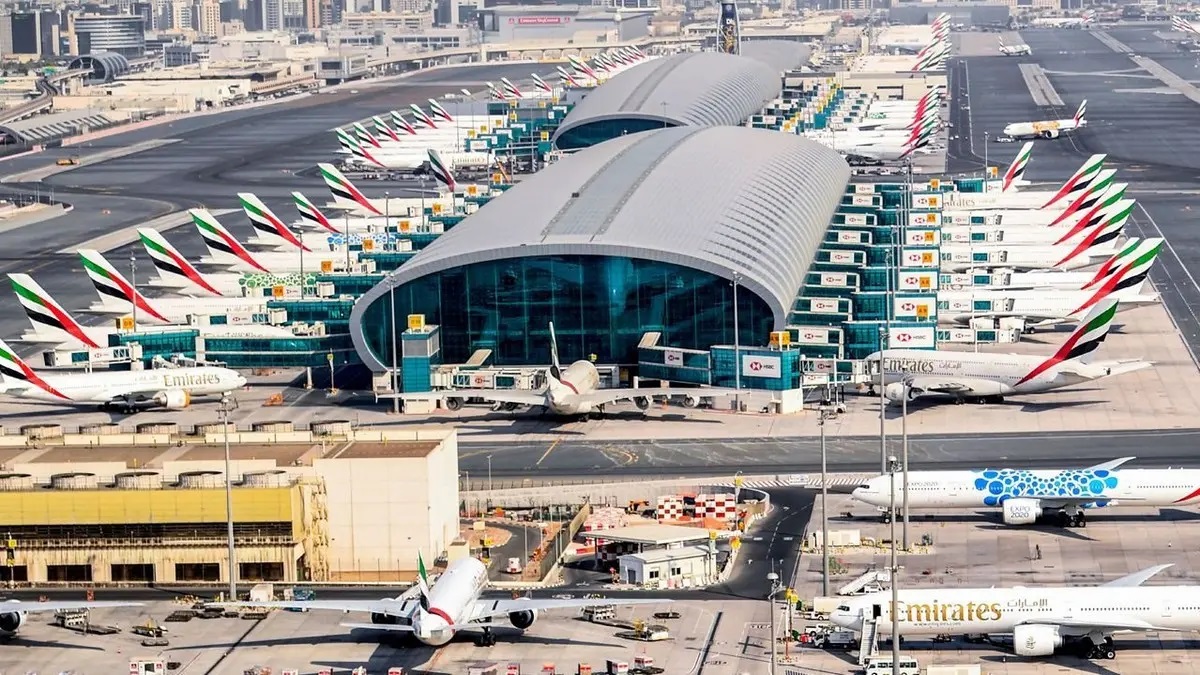
The aviation sector in the United Arab Emirates has experienced remarkable growth, with airports surpassing the milestone of one billion passengers between 2015 and 2024. This impressive feat highlights the UAE’s strategic vision for enhancing its aviation infrastructure and securing a prominent position in the global travel industry. The significant increase in both passenger movement and aircraft operations demonstrates the resilience and competitiveness of the aviation sector in the face of global challenges.
Impressive Growth in Passenger Traffic
According to statistics from the Federal Competitiveness and Statistics Center, the UAE’s airport sector saw passenger traffic soar, achieving a milestone of over one billion travelers within the decade from 2015 to 2024. In this same period, the total number of aircraft movements—arrivals and departures—exceeded 6.4 million. These numbers reflect not only the growth in passenger numbers but also highlight the importance of air travel in supporting the UAE’s economy.
Global Recognition and Future Prospects
The report also indicated that the UAE ranked first globally in air transport quality and secured its place among the top ten countries in five international indicators. This is a testament to the effective strategies and visionary leadership that have cemented the UAE’s role as a key player in the global aviation landscape. According to Abdullah bin Touq Al Marri, Minister of Economy and Tourism, these results underscore the success of the nation’s policies aimed at enhancing growth and competitiveness in the aviation sector.
Resilience During the Pandemic
The COVID-19 pandemic posed unprecedented challenges to the air travel industry, causing passenger numbers to plummet. In 2020, the total traffic dropped significantly to 38.3 million passengers, depicting a 70% decline. However, the subsequent years saw a remarkable recovery, particularly in 2022, where passenger counts surged by 120%, indicating a robust rebound. By 2024, passenger traffic is projected to reach 147.8 million, showcasing the sector’s swift recovery.
Regional Competition and Infrastructure Development
Notably, Dubai International Airport accounted for the lion’s share of passenger traffic, with approximately 782.2 million travelers passing through over the last decade. Abu Dhabi International Airport and Sharjah International Airport also contributed significantly. The ongoing efforts to develop airport infrastructure and enhance services reflect the UAE’s commitment to remaining a leading air travel hub. Hanan Mansoor Ahli, Director of the Federal Competitiveness and Statistics Center, emphasized that these advancements serve to further establish the UAE as a global aviation hub.
The continuous growth in the UAE’s aviation sector exemplifies the nation’s strategic focus on enhancing its logistical capabilities, fostering innovation in air travel, and preparing to welcome increasingly diverse passenger needs from across the globe. As the UAE continues to invest in its aviation infrastructure, it is poised to maintain its status as a significant player in the international travel market.