
The growth of Turkish businesses within the Dubai Multi Commodities Centre (DMCC) is reaching unprecedented heights, illustrating a robust economic partnership between Turkey and the UAE. Recently, the DMCC announced that over 700 Turkish companies are registered within the “Dubai Multi Commodities Centre,” reflecting a 14% increase over the past year. This remarkable expansion signifies not only the increasing number of registered Turkish companies in the DMCC but also highlights the flourishing trade and investment relationships between the two nations.
Turkish Companies Flourish in Dubai
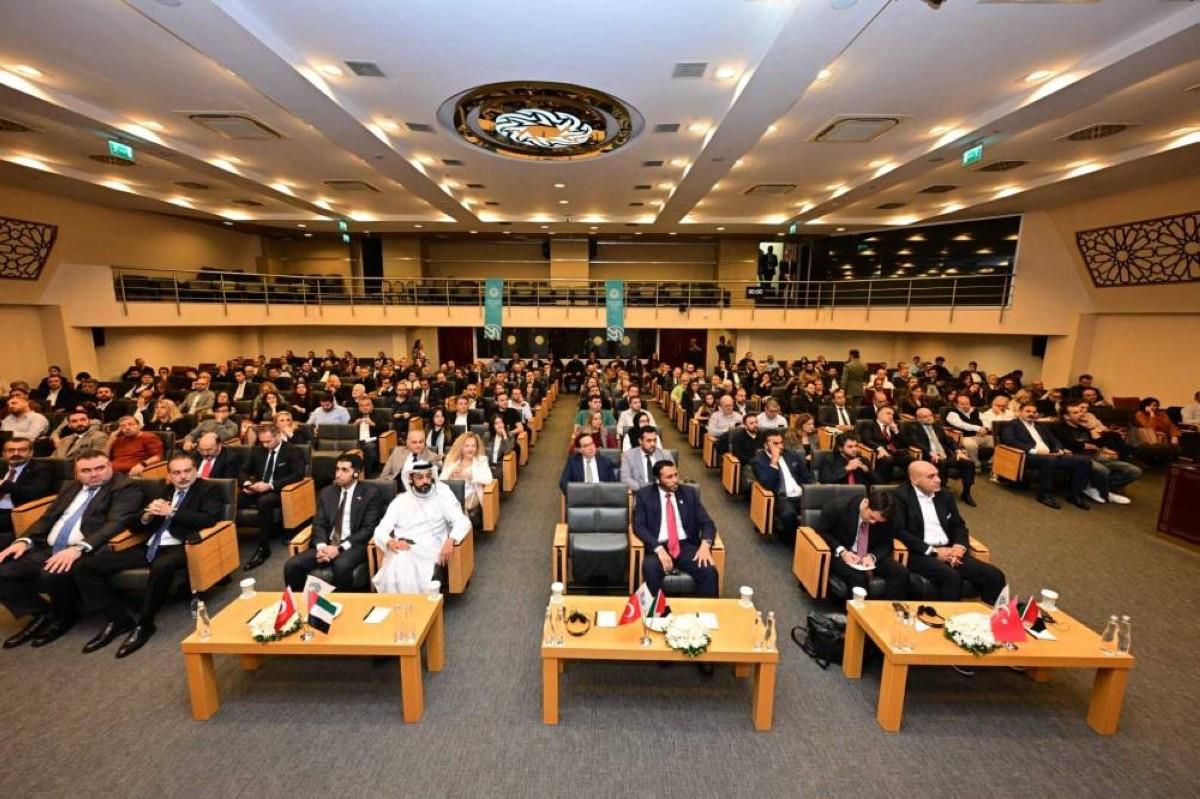
The DMCC revealed a 14% increase in the number of Turkish companies established in its free zone, bringing the total number to more than 700. This growth was highlighted during the recent promotional tour titled “Created for Trade,” organized in Istanbul. This initiative is part of a broader global campaign aimed at attracting foreign investments to Dubai and solidifying its position as a global hub for trade and services.
Strengthening Economic Ties
This impressive growth reflects the accelerating commercial and investment activities between the UAE and Turkey, driven largely by the Comprehensive Economic Partnership Agreement (CEPA) that took effect in 2023. According to the UAE’s Ministry of Foreign Trade, non-oil trade between the two countries reached $44 billion from September 2024 to August 2025, marking a 12% annual increase and surpassing the initial five-year target set within the agreement.
Opportunities and Infrastructure
The rapid expansion emphasizes Turkey’s position as the fastest-growing trade partner on the UAE’s top ten global partnership list. This partnership is supported by an array of customs reductions provided by the CEPA, facilitating greater access to markets and enhancing collaborative opportunities across sectors, including logistics, advanced manufacturing, and digital trade. Ahmed Bin Sulayem, CEO and Executive Chairman of the DMCC, stated, “In less than twelve months, the non-oil trade volume between the UAE and Turkey surpassed $44 billion, exceeding our five-year target ahead of schedule, making Turkey the fastest-growing trading partner for the UAE.” He further noted the contributions of Turkish firms to sectors such as energy, shipping, and commodities.
Engagement through Promotional Tours
The promotional tour in Istanbul gathered 370 Turkish business leaders from the energy, construction, logistics, and agro-food sectors. Participants explored expansion and growth opportunities through Dubai and the DMCC. The event emphasized the DMCC’s integrated global infrastructure, business establishment services, and specialized business systems that empower companies to trade, collaborate, and expand internationally.
A Bright Future for Trade Relations
The economic corridor between the UAE and Turkey is underpinned by profound structural links, including logistics, precious metals, and agricultural goods. Significant investments, such as the $650 million by DP World into the Yarımca Port in 2016, have established one of the most advanced ports in the Marmara region. This logistical backbone is essential for the thriving bilateral trade of gold, jewelry, and diamonds between Dubai and Istanbul, while trade flows in sectors like coffee and honey indicate a widening trade exchange.
With over 700 Turkish companies within the DMCC, accounting for nearly one-fifth of all registered Turkish companies in Dubai, the bilateral relationship continues to grow and prosper. Initiatives driven by the Comprehensive Economic Partnership Agreement and high-level agreements are significantly reshaping regional trade dynamics.
The Istanbul tour is part of the “Created for Trade” global initiative, designed by the DMCC to promote Dubai as a leading business and investment hub. Through this series, the DMCC underscores Dubai’s strategic advantages, which have attracted record levels of foreign direct investment. Today, the DMCC accounts for approximately 15% of annual foreign direct investment flows into Dubai and comprises around 7% of the emirate’s GDP, hosting over 26,000 companies across various sectors including commodities, technology, energy, and advanced services.