
تحت رعاية سمو الشيخ عبدالله بن زايد آل نهيان
بيانات صحفية
Amidst evolving global dynamics, the Arab Youth Centre has launched the fifth edition of the “Young Arab Diplomatic Leaders” programme, under the patronage of His Highness Sheikh Abdullah bin Zayed Al Nahyan, Deputy Prime Minister and Minister of Foreign Affairs. This initiative, which commenced on August 24, attracts 48 participants from 15 Arab countries, aiming to refine their diplomatic skills in a rapidly changing world shaped by technology and new actors in international relations.
Organised in partnership with the Ministry of Foreign Affairs and the Anwar Gargash Diplomacy Academy, along with strategic collaborations with the Mohammed bin Rashid School of Government and the Trends Research and Advisory Centre, the programme carries the theme “Diplomacy Under the Microscope: Are Yesterday’s Tools Still Fit for Today’s World?” It will run until September 10 across both online and in-person training sessions held in Abu Dhabi that centre on simulation, negotiation, and crisis management.
From Theory to Real-World Application
The new edition aims to bridge the gap between knowledge and practical application. Participants will transition from theoretical understanding to realistic testing through pressure negotiation scenarios and multi-stakeholder crisis management exercises, enhancing their analytical and decision-making capabilities.
Key areas of exploration include the power shifts of the 21st century, the impact of technology firms and digital platforms, and the role of non-governmental actors in shaping diplomatic efficacy. The rise of artificial intelligence in communication and decision-making processes will also be examined.
A New Breed of Diplomats
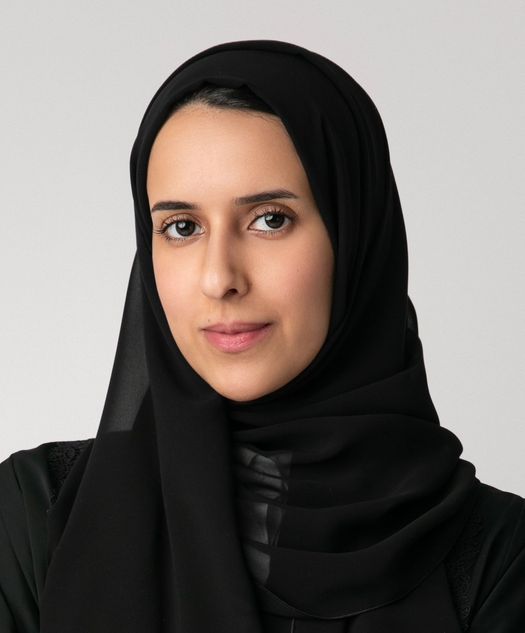
In her opening address, Fatima Al Halami, Executive Director of the Arab Youth Centre, stated, “At the Arab Youth Centre, we believe that investing in young Arab diplomatic leaders is an investment in our region’s ability to understand, engage with, and influence the world.” She underscored that today’s young diplomat requires enhanced skills in critical thinking, negotiation, crisis management, and technological fluency, particularly in digital diplomacy.
She added: “This edition is designed to transcend traditional training paradigms. It provides participants with a holistic experience that combines academic insight, analysis, negotiation, practical simulation, and fieldwork; enabling them to evolve from understanding transformations and diagnosing challenges to rethinking tools and actors, ultimately culminating in practice and application.” The programme’s cross-border collaboration gathers young talents from fifteen Arab countries, setting a precedent for continuous exchange and professional networking beyond the confines of the programme itself.
Eight Core Areas of Focus
The current iteration features eight principal areas that encapsulate the transformations reshaping diplomatic engagement. These include understanding the shifts in the international system’s structure, analysing the concept of power in the modern era, and assessing the capabilities of existing diplomatic tools in addressing current international crises.
The curriculum encompasses the development of diplomatic tools and norms, digital diplomacy and artificial intelligence, the future of international institutions and their effectiveness, alongside negotiation skills under pressure and multi-sectoral crisis management.
A Journey from Diagnosis to Simulation
The programme kicks off with an online training week from August 24 to 27, focusing on diagnosing the ongoing shifts within the international system and understanding the new challenges faced by diplomatic endeavours. Participants will then engage in a week of reevaluation from August 31 to September 3, where they will reassess existing diplomatic tools and study influential actors in the global arena, dedicating three hours daily during each electronic stage.
The programme concludes with an in-person segment in Abu Dhabi from September 7 to 10, converting newly acquired knowledge into practical application through negotiation scenarios and crisis management exercises. This practical phase allows participants to test their analysis, response, and decision-making abilities in simulations that mirror real-world diplomatic contexts.
Those who successfully complete the programme will receive an accredited certificate from the Arab Youth Centre and its academic partners.
A Legacy of Excellence!
This year’s edition is part of an ongoing initiative that has established the “Young Arab Diplomatic Leaders” programme as a vital resource for nurturing the next generation of leaders in diplomacy and international relations. To date, the programme has graduated over 220 young men and women from 14 Arab nations, collaborating with over 18 partners and offering more than 35 hours of training each session, with content continuously refined to keep pace with geopolitical and technological developments.
Throughout its history, the programme has benefited from insights provided by a wide array of academic and diplomatic institutions, including the UN Institute for Training and Research (UNITAR), the Diplomatic Academy in Vienna, the Graduate Institute of International and Development Studies in Geneva, and Harvard University.