
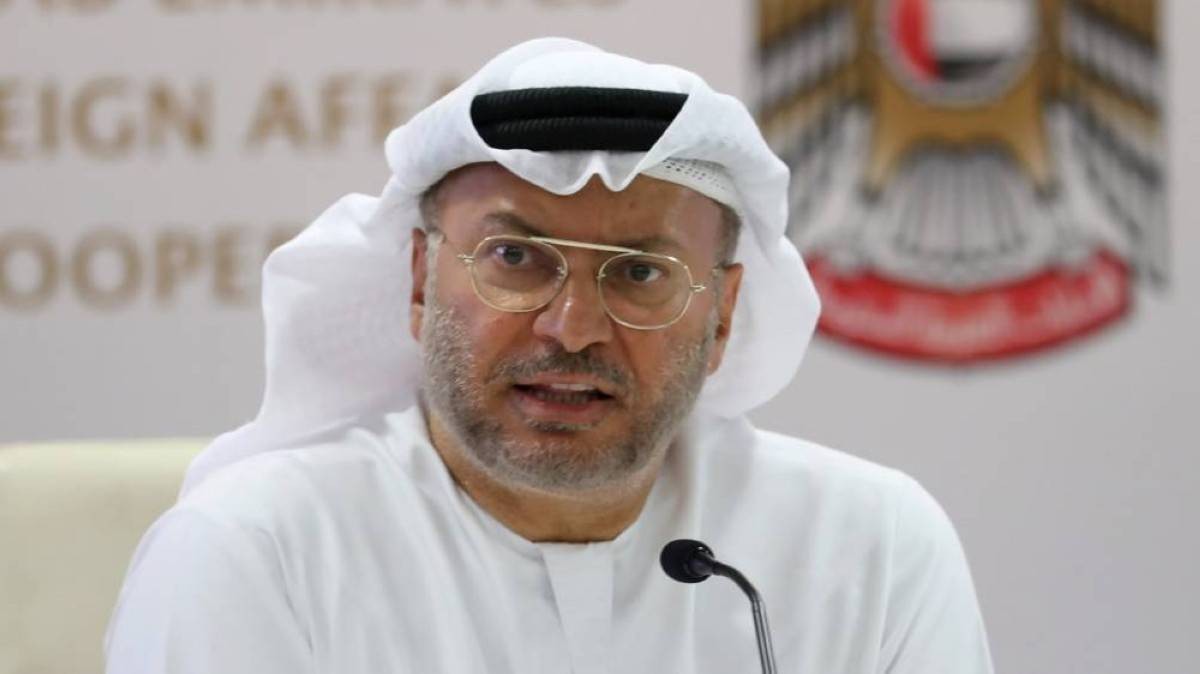
In a rapidly changing geopolitical landscape, the possibility of resolving crises in the region hinges not on military action but on wisdom, diplomacy, and constructive dialogue led by local nations. This perspective underscores the importance of engaging in thoughtful discussions and collaborative efforts, emphasizing that the most effective pathways out of turmoil lie in diplomatic solutions rather than confrontational tactics.
The Ongoing Turmoil in the Region
His Excellency Dr. Anwar Gargash, the diplomatic advisor to the President of the State, recently articulated the pressing realities facing the region. He stressed that “the region remains fraught with crises, its wounds still open, as the winds of confrontation blow from every direction.” These remarks highlight the complexities that have led to prolonged instability, emphasizing that no exit from these crises will be found through military solutions. Instead, he advocates for “wisdom and diplomacy” as the guiding principles for any resolution.
The Consequences of Historical Weakness
Dr. Gargash further elaborated on the historical context that has contributed to the current state of affairs, noting that “decades of weakened national states, the dominance of ideology, and the control of militias over decisions of war and peace come at a high price.” This situation creates urgent challenges that require a reevaluation of traditional power dynamics in the region. The need for a political horizon that respects sovereignty and aims for lasting peace based on justice is paramount.
Building a Sustainable Future
To navigate out of these crises, the region must prioritize dialogue led by its own nations. As Dr. Gargash states, “We need a political landscape that respects sovereignty and establishes a sustainable peace.” Such an approach not only fosters stability but also promotes prosperity and growth, providing a comprehensive framework for conflict resolution that is rooted in shared interests and mutual respect.
The Role of Regional Leadership
The pathway to peace will require thoughtful engagement from regional leaders, who must initiate a dialogue that addresses the underlying causes of unrest. By fostering an environment of cooperation and mutual understanding, these leaders can set the stage for a transformation that embraces wisdom and diplomacy, showing that “no exit from these crises” is feasible without their proactive involvement.
In summary, the pressing need for wisdom, diplomacy, and region-led dialogue has never been clearer. As the region continues to grapple with its many challenges, these principles will guide the way forward, offering paths to healing and stability in the face of adversity.