
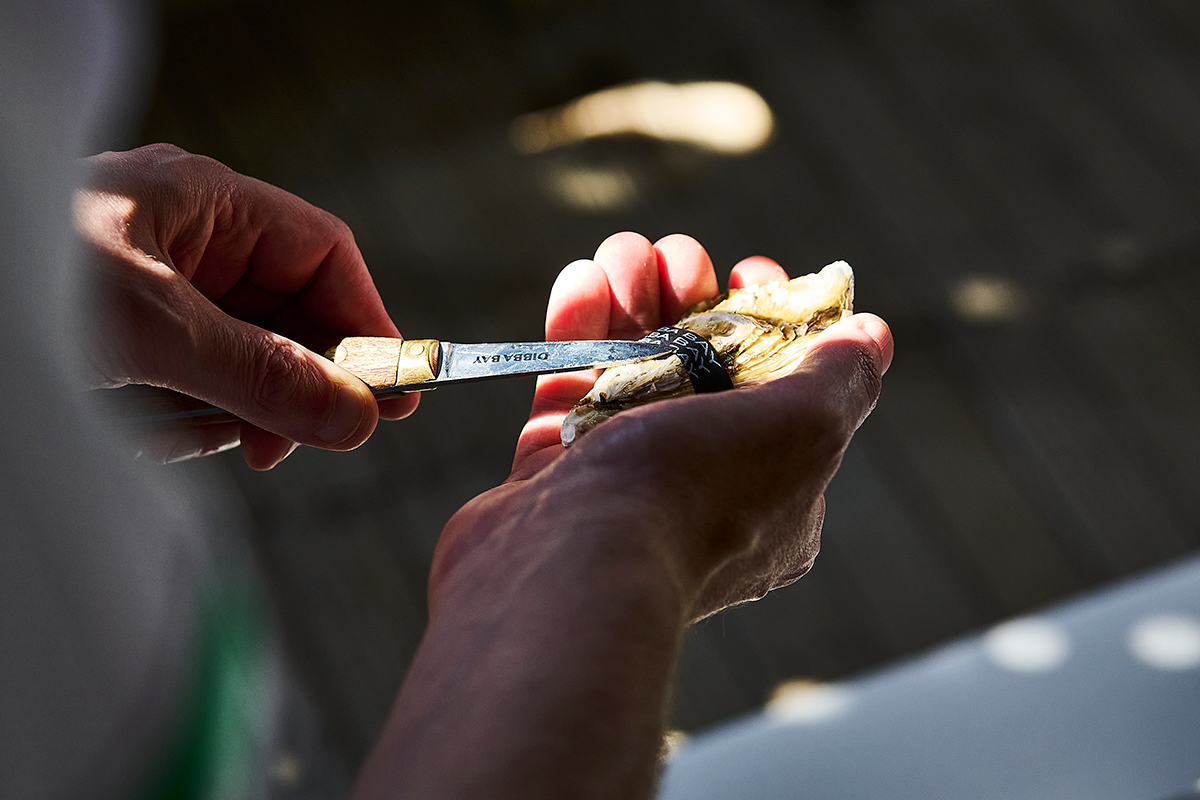
As Dubai’s fine dining scene experiences an unprecedented surge, local oyster producer Dibba Bay is reaping the rewards. The explosive growth in high-end restaurants has created a distinct appetite for fresh seafood, particularly oysters, driving record demand for Dibba Bay, which now holds a commanding 55 percent share of the UAE oyster market. This dynamic shift in the culinary landscape is not just a trend; it’s a testament to Dubai’s emergence as a global gastronomic capital, where luxury dining and premium ingredients reign supreme.
Dubai’s Dining Renaissance
Over the past two years, Dubai has witnessed an impressive influx of fine dining establishments, with major global restaurant chains making their debut alongside homegrown brands exploring international horizons. The city has quickly become a magnet for food enthusiasts, attracting renowned culinary figures and pioneering local concepts that compete on the world stage.
According to reports, Dubai saw over 1,500 new food outlets launch in the first five months of 2024 alone. By mid-year, the emirate had approximately 26,000 food establishments, a number reflecting an increasing global interest in the UAE culinary scene, as highlighted by Gulf News. This burgeoning culinary landscape bodes well for suppliers like Dibba Bay, which has firmly established its presence in the local food supply chain.
Luxury Dining with a Local Touch
Under the leadership of General Manager Andrea Sartoris, who took the reins in January, Dibba Bay has effectively capitalized on the region’s dining evolution. With 75-80 percent of its sales coming from the hospitality sector, the company has tailored its offerings to align with the demands of upscale dining establishments. “Many fine dining restaurants are elevating their menus with premium seafood products,” Sartoris remarked. “Oysters, in particular, serve as a lifestyle choice, allowing restaurants to enhance their dining experience and increase bill sizes.”
This alignment with the fine dining boom has significantly boosted demand for Dibba Bay’s oysters, reinforcing their status as a staple in Dubai’s culinary offerings. Sartoris noted, “We’ve definitely seen an increase in demand from establishments in Dubai,” confirming that the city’s upscale venues are keenly interested in local, high-quality seafood.
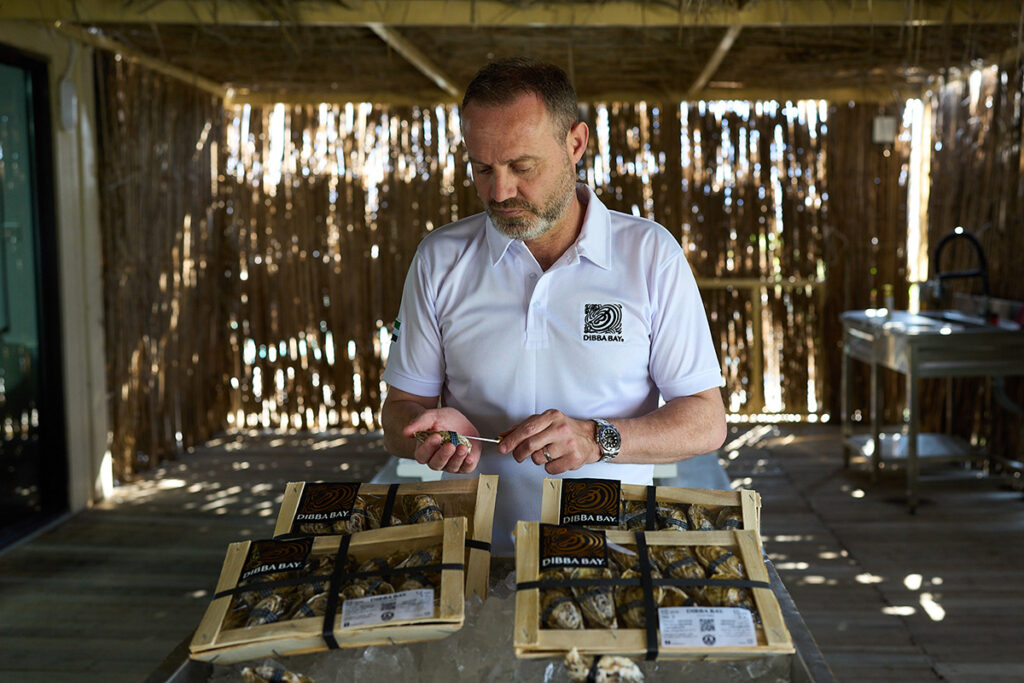 “Many fine dining restaurants are elevating their menus with premium seafood products,” Sartoris explained.
Capitalizing on Freshness
What sets Dibba Bay apart is its commitment to freshness, offering oysters delivered within 24 hours of harvesting. This is a significant advantage over imported varieties, which are often days old by the time they reach local kitchens. Sartoris emphasized the importance of this freshness for high-end restaurants, where quality is paramount. “International oysters usually arrive three to five days old, and the shelf life is just ten days,” he explained.
To accommodate the demanding standards of Dubai’s chefs, Dibba Bay provides deliveries three times a week, ensuring premium quality at every stage. The company’s operational efficiency has resonated well in a market where freshness directly translates to credibility and customer satisfaction.
Sartoris also noted a trend in pairing oysters with caviar, stating, “When there’s caviar, there’s often oysters.” This pairing not only enhances the dining experience but also solidifies Dibba Bay’s role within Dubai’s luxury food ecosystem, catering to affluent clientele who expect the finest delicacies.
Reviving Maritime Heritage
Dibba Bay embodies a modern interpretation of the UAE’s maritime heritage. Historically, pearl diving was a vital component of the coastal economy, and the rich knowledge of the sea is now being harnessed for sustainable oyster production. “When the Dibba Bay Oyster brand was launched, many were unaware that oysters could thrive here,” Sartoris remarked, highlighting the innovative approach taken to revive this ancient tradition in a contemporary format.
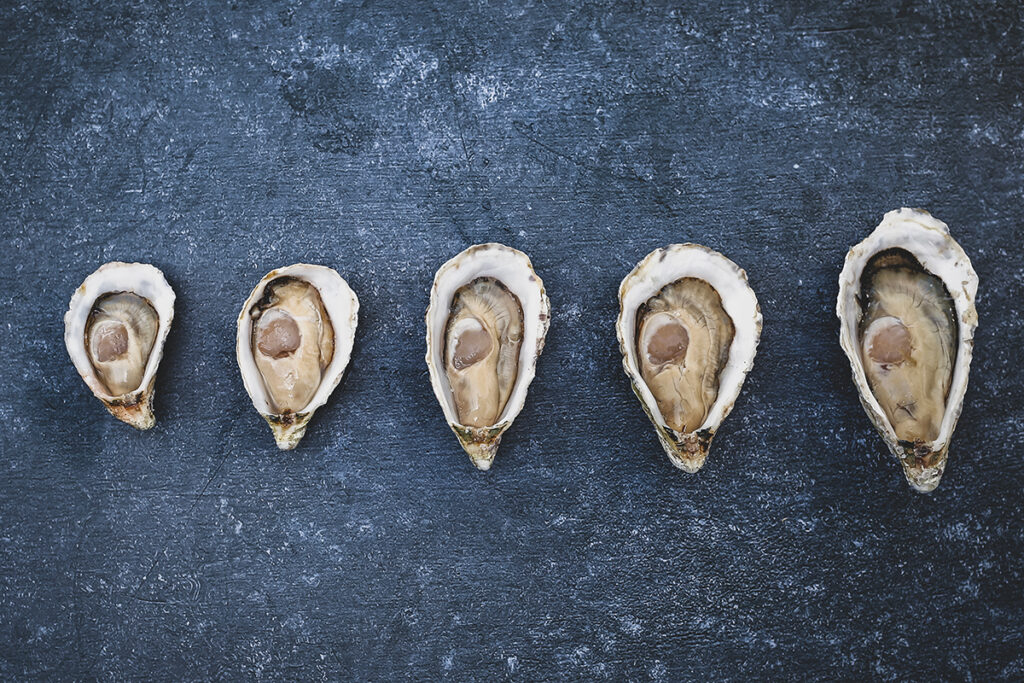 Dibba Bay embodies a modern interpretation of the UAE’s maritime heritage.
Sustainability at Its Core
Commitment to sustainability is another integral aspect of Dibba Bay’s operations. Sartoris stated, “Our farming methods are 100 percent natural; we don’t use feed, chemicals, or fresh water. Our oysters thrive solely in seawater.” This approach not only ensures the premium quality of the oysters but also has a positive impact on marine ecosystems. Each oyster filters up to 170 liters of seawater daily, contributing to improved ocean health.
In addition, the company has initiated a reef restoration project to repurpose discarded oyster shells. “We collect the shells, sanitize them, and redeploy them in areas near Dibba to support coral growth,” Sartoris detailed, emphasizing the brand’s commitment to environmental stewardship.
Navigating Challenges and Expanding Horizons
Dibba Bay enjoys the advantage of a notably faster oyster growth cycle—nine to eleven months compared to three years for their European counterparts—thanks to the warm waters of the Gulf. Sartoris explained, “Younger oysters offer a unique taste profile, making our product distinct.” Despite this quality, the company faces challenges in altering perceptions. “Many still view local farms as less experienced,” he lamented, emphasizing the need for a mindset shift.
Looking ahead, Dibba Bay aims to expand its international footprint, with 20-25 percent of its production already being exported to markets like Russia, Hong Kong, and Macau. Plans for further expansion into China and Singapore are slated for later this year, signifying a blend of local expertise and global ambition.
“Our goal is to solidify our market share within the UAE first, following up with strategic efforts in export markets,” Sartoris summarized, setting a course for a vibrant future amid Dubai’s fine dining boom that continues to drive record demand for Dibba Bay’s exceptional oysters.