
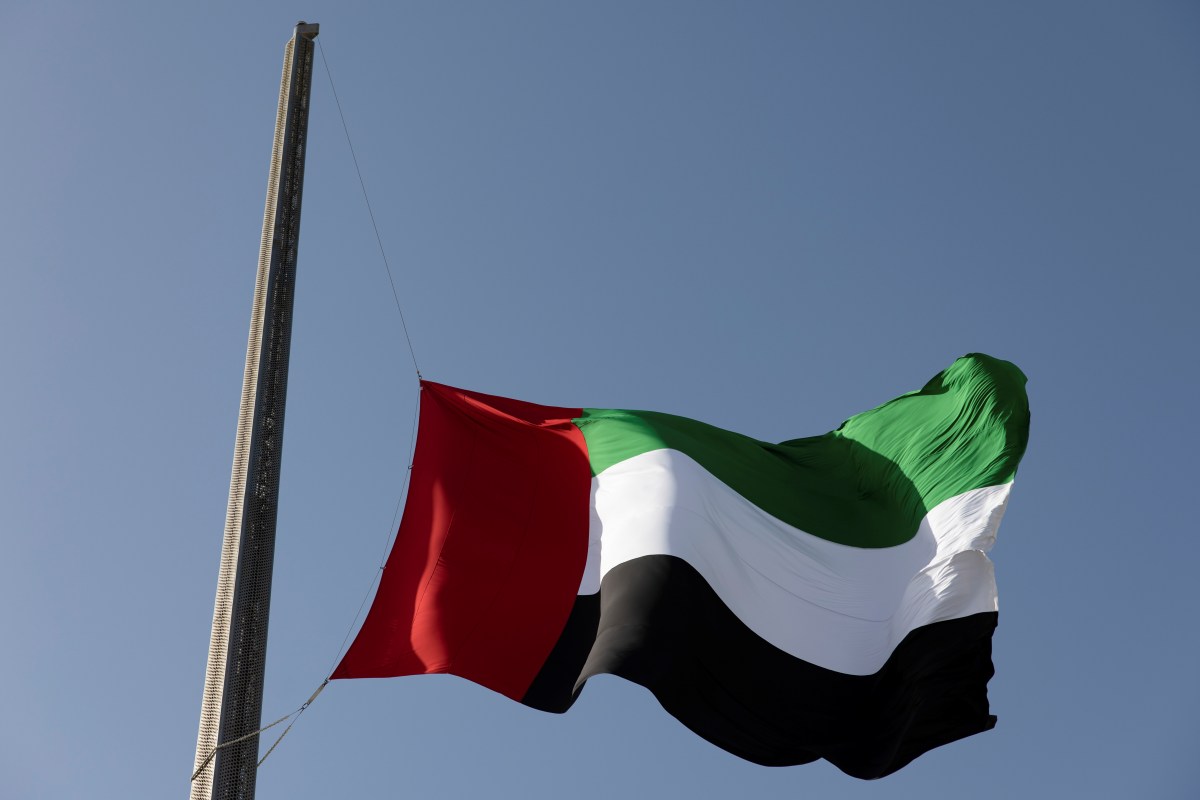
UAE Foreign Policy Under Spotlight After Escalation in Yemen
All eyes are on the UAE’s foreign policy in light of the recent military escalation in Yemen, where Emirati policies are playing a pivotal role in shaping the regional landscape. The UAE Foreign Policy Under Spotlight After Escalation in Yemen raises significant debate about how Abu Dhabi influences developments in the Middle East, particularly in the context of ongoing events related to security and stability in the region.
UAE Strategy in Yemen
Despite announcing the withdrawal of its forces from Yemen in 2019, the UAE has maintained a strong presence by supporting the Southern Transitional Council, which is viewed as a strategic partner in countering the Saudi-backed Yemeni Islah Party. The UAE asserts that these relationships contribute to maritime security and protect its interests in the Bab el-Mandeb Strait, although it faces criticism for bolstering separatist factions.
Relations with Egypt
The UAE is considered one of Egypt’s most prominent supporters since 2013, following the ousting of the Muslim Brotherhood government. Abu Dhabi backs the Egyptian government as a bulwark against the rise of Islamists, having signed a $35 billion agreement for infrastructure development in Egypt amid an economic crisis. The relationship between the two countries continues to deepen, as both share similar experiences in combating political Islam.
Support to Sudan and Chad
Observers have noted that the UAE has provided military support to the Rapid Support Forces in Sudan, led by Mohamed Hamdan Dagalo, known as “Hemedti.” However, despite the UAE’s denial of these allegations, its support for these forces is perceived as a sign of distrust in the Sudanese army. In this context, security relations with Chad have also strained, as the UAE has contributed to enhancing military cooperation with its transitional president, Mahamat Idriss Déby.
Closer Ties with Israel and Somaliland
The normalization of relations with Israel in 2020 marked a significant shift in Emirati foreign policy, as Abu Dhabi seeks to enhance its strategic position against common threats. This trend has been linked to strengthening economic ties with Somaliland, a self-declared territory, where the UAE has heavily invested in developing the Port of Berbera, ultimately bolstering its geopolitical interests in the region.
The UAE Foreign Policy Under Spotlight After Escalation in Yemen highlights the challenges and expansionist initiatives pursued by Abu Dhabi to achieve its regional objectives. As tensions in the Middle East escalate, the future of Emirati policy remains surrounded by complexities and transformations.