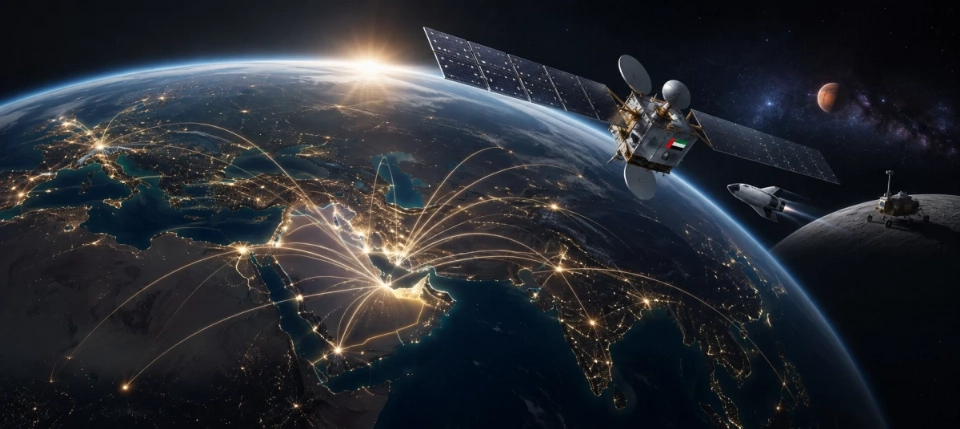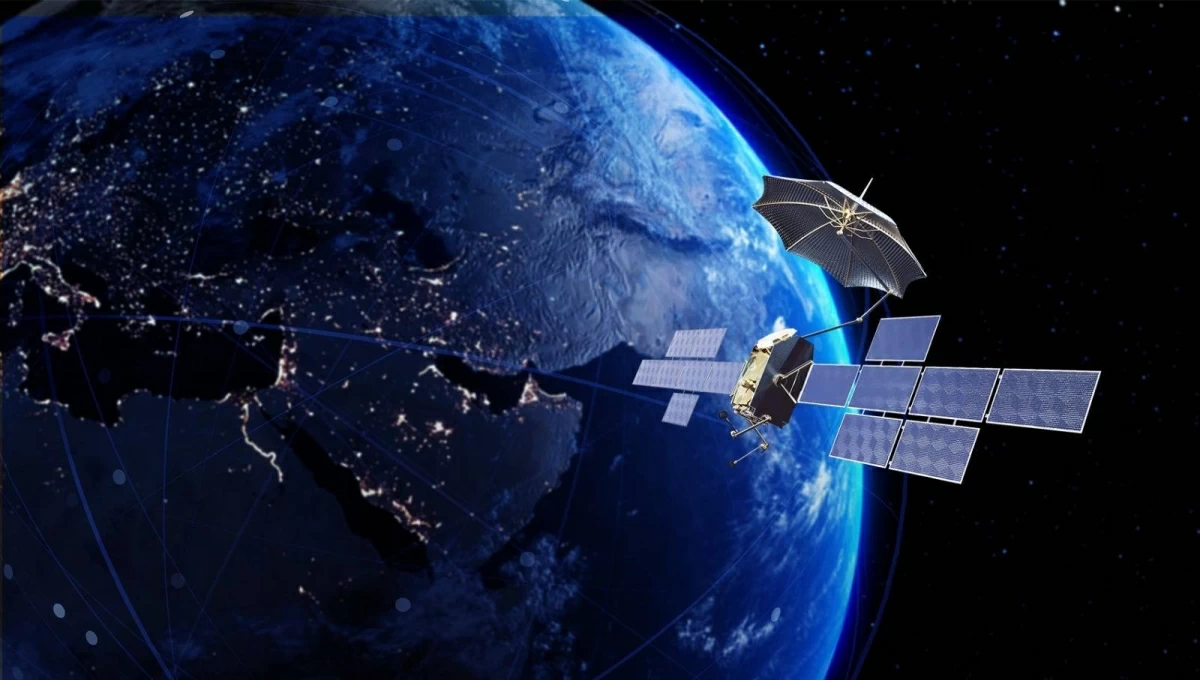
In an era where space has transitioned from mere exploration to a vital economic asset, the United Arab Emirates (UAE) is strategically positioning itself within the global space economy. As Ali Al Hashemi, CEO of Space 42, articulates, the nation has moved beyond simply building its space capabilities to effectively leveraging these assets for international impact.
A National Commitment
In a recent interview with Al Khaleej, Al Hashemi, who holds the distinction of being the first Emirati to lead the Global Satellite Operators Association (GSOA), highlighted the UAE’s perspective on space as a critical infrastructure component that underpins life and economic sectors. “Space is now not merely about the number of satellites launched; it is about how countries can translate the connectivity and data provided by these satellites into actionable value on Earth,” he stated.
Addressing the Responsibility
As the leader of a prominent Emirati space company, Al Hashemi acknowledges the immense responsibility that comes with the role. He emphasizes that the UAE’s approach to the space sector encompasses two key dimensions: a national one, focused on building reliable and secure space capabilities, and a global one that involves partnerships and standards across borders.
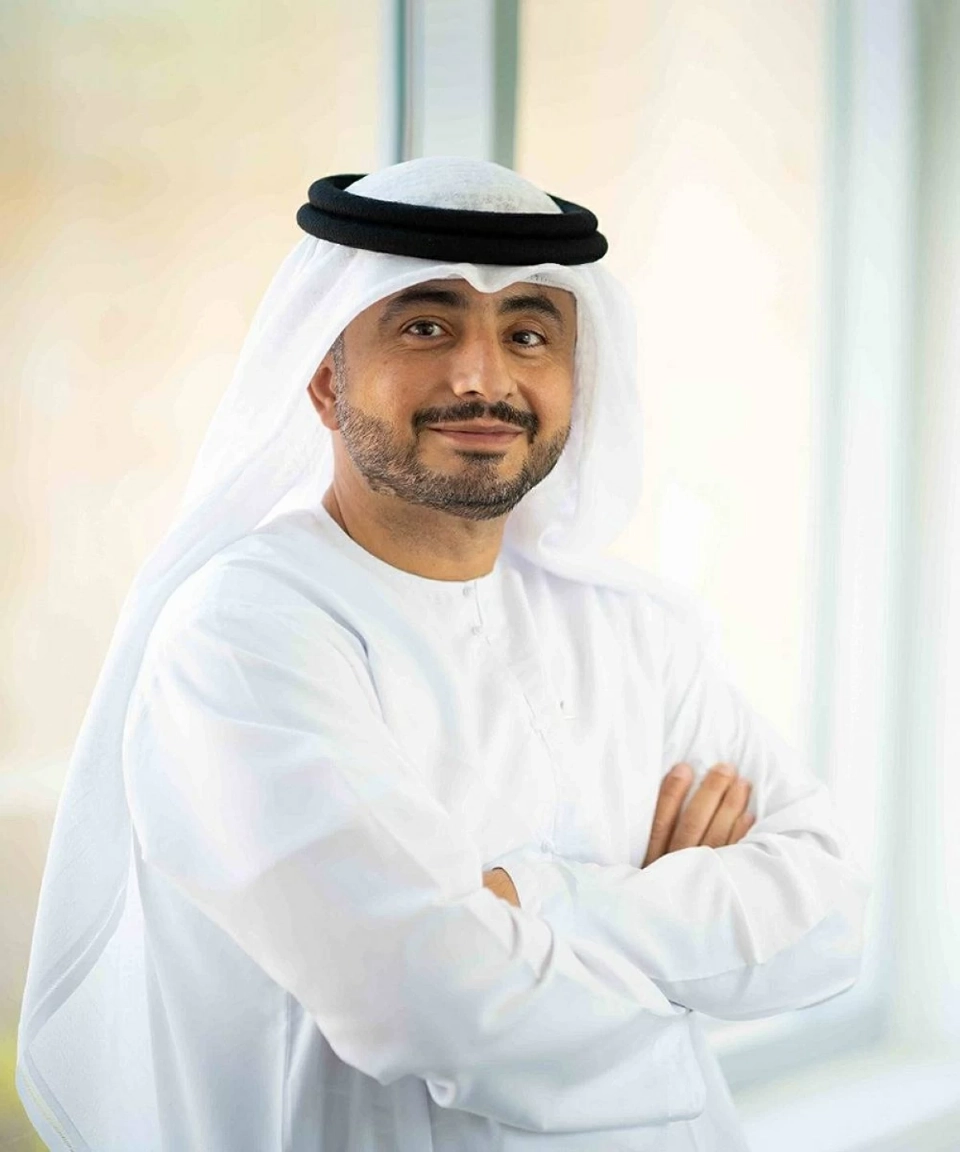
Ali Al Hashemi
A Strong Global Presence
Over recent years, the UAE has solidified its footing in the global space sector. Al Hashemi articulates that the country is no longer just investing in the quantity of satellites; rather, it is about harnessing the capabilities these satellites provide to add tangible value to everyday life. He stated, “At Space 42, we are part of a new phase in the UAE’s space journey, integrating space communications, earth observation, artificial intelligence, and geospatial analytics with local manufacturing and testing capabilities.”
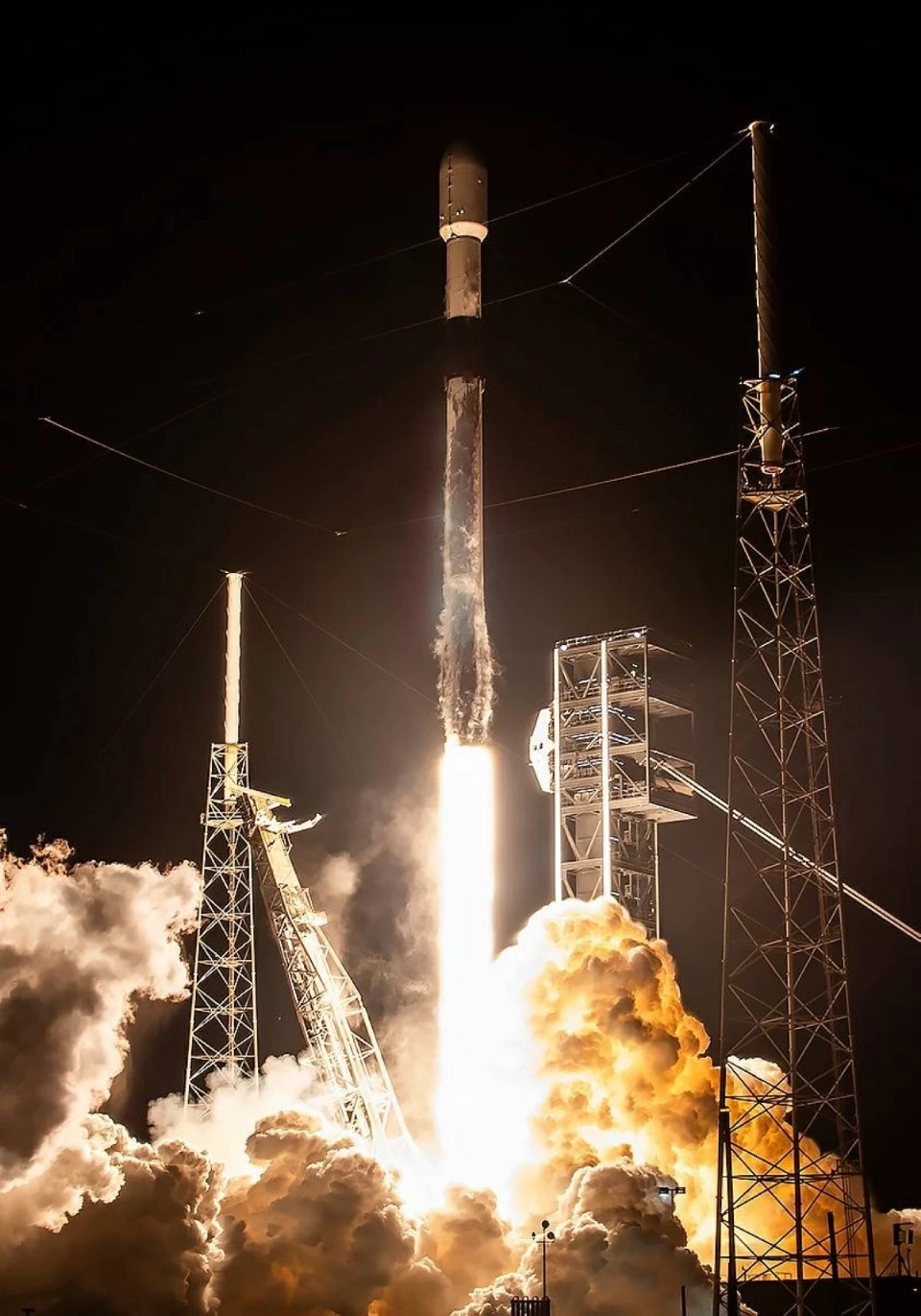
Launch of Thuraya 4 satellite from Cape Canaveral, USA, in January 2025
Direct Smartphone Connectivity
Addressing advancements in direct connectivity between smartphones and satellites, Al Hashemi reported significant progress in testing services using the Thuraya 4 satellite. These trials demonstrated the technical readiness of direct connectivity for standard Android phones. The ongoing ‘EquatIS’ project, in collaboration with Viasat, aims to develop a shared space infrastructure that would broaden service availability.
Challenges and Future Aspirations
Reflecting on his career, Al Hashemi noted the pivotal decision to transform Thuraya from a specialized communication system to a next-generation platform capable of direct connectivity. He expressed pride in this transition, despite the challenges it posed in securing global spectrum rights and building a sustainable economic model. “Had we not made this decision, Thuraya would have remained limited to specialized services,” he noted.
Leadership in Global Space Governance
As the chair of the Global Satellite Operators Association, Al Hashemi views his role as an opportunity to influence the direction of a rapidly evolving sector. He emphasized the importance of fostering collaboration within an expanding industry while ensuring environmental sustainability and the rights of operators. “The paramount challenge today is achieving consensus in a sector with diverse business models and technologies,” he explained.