
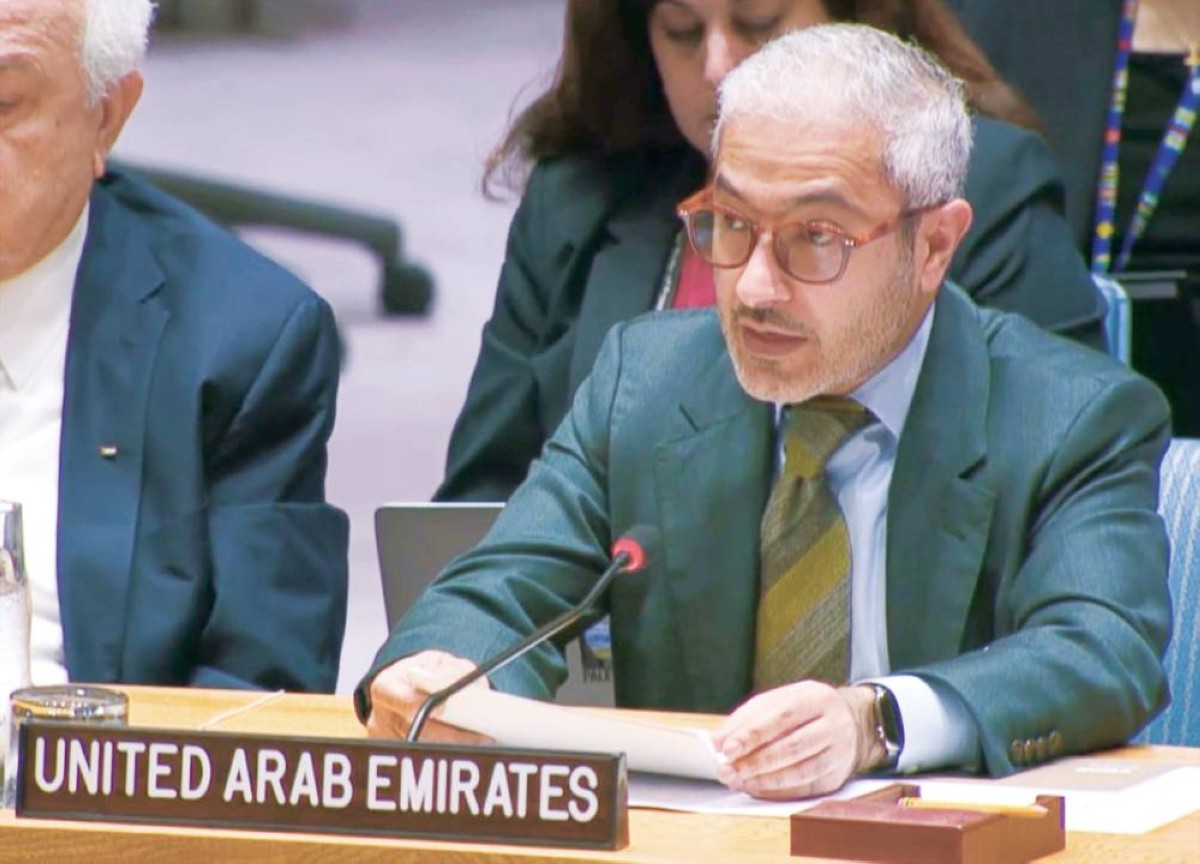
In a strong declaration, the United Arab Emirates has firmly rejected the imposition of any tolls for passage through the Strait of Hormuz. This stance comes amid an urgent call among Arab representatives at the United Nations against potential Iranian control over this vital waterway. The implications of closed access to the strait would severely impact global energy markets and supply chains, a concern echoed by multiple nations.
UAE’s Stand Against Toll Fees
Ambassador Mohammed Abu Shihab, the UAE’s permanent representative to the United Nations, reiterated the country’s stance during a press briefing in New York regarding the US-Gulf Arab initiative related to the Strait of Hormuz. “We reject the imposition of any tolls for passage through the Strait of Hormuz. These international maritime routes should not be subject to extortion,” he emphasized. The ambassador pointed out that Iran has laid mines and attempted to impose transit fees in this crucial passage, noting that Iran’s threats and aggressions in the Strait of Hormuz have not ceased.
The Critical Nature of the Resolution
Abu Shihab highlighted the importance of the resolution that aims to eliminate mines in the Strait of Hormuz, viewing this as vital for ensuring the freedom and safety of navigation. He stressed that the bill also supports establishing a humanitarian corridor to facilitate the passage of aid, food, and fertilizers through the strait. Given the escalating threats from Iran, he described this process as essential for maintaining international support.
Wider Regional Concerns
Following the UAE’s assertions, Bahrain’s representative, Jamal Faris Al-Ruwaihi, underscored the need to keep the Strait of Hormuz safe and open for international navigation. He expressed hope for constructive collaboration with member states to finalize the resolution regarding the strait. Meanwhile, the Qatari ambassador to the UN, Alia Ahmed bin Saif Al Thani, also called for the strait to remain open, warning that its closure could jeopardize global energy sectors and supply chains. She stressed the urgency of establishing a ceasefire among the conflicting parties in the region.
International Reactions to the Situation
Saudi Arabia‘s UN representative, Abdulaziz Al-Wasil, cautioned that closing the Strait of Hormuz could lead to humanitarian crises, emphasizing the need for secure aid distribution. He recognized the strait as a critical artery for global trade, asserting that any threat to its security raises international concerns. The U.S. representative, Mike Waltz, echoed these sentiments, articulating worries regarding freedom of navigation in the strait. He indicated that Iranian actions constitute violations of several international resolutions, urging Tehran to clear mines and cease any form of navigational threats or tolls.
Last Monday, Waltz announced that the United States and Gulf nations are in the process of drafting a UN Security Council resolution condemning Iran for allegedly closing the Strait of Hormuz in retaliation for the US-Israeli conflict. Ulterior negotiations on this resolution are set to occur this week, following last month’s obstruction by Russia and China of a proposed resolution intended to restore freedom of navigation in the strait.