
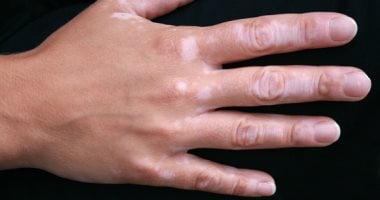
The UAE Drug Authority has announced the approval of a new oral treatment for non-segmental vitiligo, a skin condition affecting adults and adolescents aged 12 and older who require systemic treatment via blood-transmitted medications, as reported by CNN.
Single Pill Daily
This marks the first oral medication approved for this patient group, administered as a once-daily oral dose, thus providing an additional option for eligible patients in accordance with established medical criteria. The UAE is the first country in the world to broaden the use of this medication, according to a statement from the authority.
The FDA has previously approved this drug for various conditions, including moderate to severe active Crohn’s disease. The UAE Drug Authority confirmed that this approval is part of a sophisticated regulatory framework designed to keep pace with global scientific advancements, aimed at enhancing the pharmaceutical sector and improving treatment outcomes for patients.
The public is encouraged to consult a healthcare professional when observing any unusual changes in skin colour, which can contribute to early diagnosis, evaluation, and the selection of the most appropriate treatment for each individual.
Understanding Vitiligo
Vitiligo is a skin disorder that occurs when melanocytes, the cells responsible for producing melanin, retreat or disappear. As these cells are damaged or lost, distinct areas of the skin begin to lose their colour gradually. While these patches can appear anywhere on the body, they are commonly found in specific locations such as:
- Face
- Hands
- Arms
- Surrounding the eyes
- Around the mouth
- Flexural areas
Although vitiligo can develop at any age, most cases present before the age of thirty.
Treatment Options
While there is currently no definitive cure for vitiligo, modern medicine offers various solutions that can help improve skin tone and reduce the visibility of patches. The choice of treatment is dependent on several factors, including:
- Extent of the condition
- Rate of spread
- Patient’s age
- Location of the patches
Treatment options may include:
- Topical therapies
- Phototherapy
- Skin grafting (in specific cases)
- Psychological support