
Published On 26/10/202626/10/2026
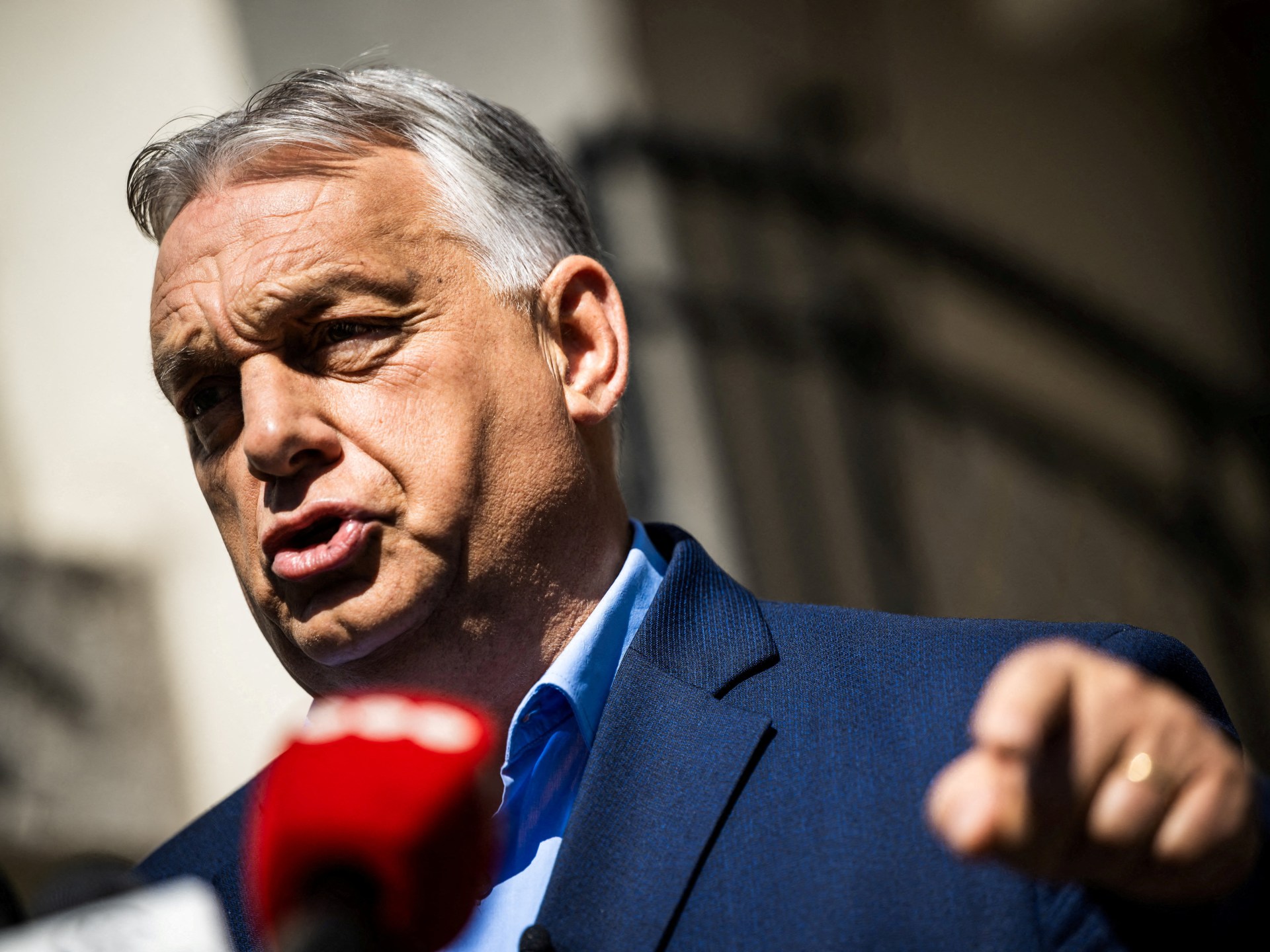
In a surprising turn of events, The Wall Street Journal reported that the Trump administration has encouraged former Hungarian Prime Minister Viktor Orbán to consider running for the position of Secretary-General of the United Nations. This suggestion reportedly aligns with the interests of both Russia and China, indicating potential support from these major global powers.
Potential Candidacy and Global Reactions
According to officials from the United States, Hungary, and China who spoke to the journal, Washington has presented the idea of Orbán’s candidacy. This development could lead to Orbán emerging as a joint candidate backed by the three nations, although the proposal is still awaiting final decisions. An official from the U.S. State Department acknowledged that while the notion may seem far-fetched at first glance, the alliance of these three countries could muster sufficient support within the UN Security Council.
The American official estimated that around eight out of the 15 members of the Security Council would likely support Orbán with relative ease, and predicted they could secure ten votes. However, while the article noted potential opposition from permanent members such as the United Kingdom and France—who have veto power—it suggested that both countries typically exercise caution when employing this privilege.
Orbán’s Profile and Ideological Alignment
Orbán’s name has frequently appeared in discussions among U.S., Chinese, and Russian officials regarding potential candidates, leading American diplomats to ultimately question, “Why not Mr. Orbán?” The proposal reflects the ideological alignment between Trump’s administration and Orbán, who has been labelled as a “dream candidate for MAGA conservatives.” His staunch opposition to mass immigration and liberal NGOs, along with his critiques of left-leaning media and judicial systems in Hungary, have bolstered his appeal among right-wing circles.
Despite his close ties with China, the report noted Orbán’s efforts to maintain his image as a defender of Western civilisation, which adds another layer of complexity to his potential candidacy.
Political Dynamics and Support
Politically, Donald Trump expressed his support for Orbán during the Hungarian elections held in April 2026, with U.S. Vice President JD Vance actively participating in Orbán’s campaign. Sources familiar with the discussions indicated that both Trump and Vance would likely provide support to Orbán should he enter the race for the UN Secretary-General’s position, although any announcement regarding this support is expected to be postponed until after the upcoming U.S. midterm elections.
Initial contacts between U.S. officials and Orbán revealed his openness to the idea, yet he remains cautious, unwilling to pursue the position unless he perceives a strong chance of victory. Orbán has refrained from making an official comment on the report.
Competing Candidates and Considerations
In terms of competition, the field of candidates typically favours those with substantial experience in international bureaucracy or diplomacy. One official from another country described Orbán as more of a “general” than a “Secretary-General,” a sentiment echoed by the American official, who acknowledged that Orbán possesses the ideological conviction and political tenacity necessary to challenge the UN establishment.
Other prominent contenders in the race include Costa Rica’s Rebeca Grynspan, Secretary-General of the United Nations Conference on Trade and Development (UNCTAD), Argentina’s Rafael Grossi, Director-General of the International Atomic Energy Agency, and Caroline Rodriguez-Berkett, former Guayana’s Minister of Foreign Affairs and her country’s UN ambassador. Last week, UAE diplomat Lana Nusseibeh also entered the fray. However, allegations regarding the UAE’s support for a paramilitary force involved in the Sudanese civil war may hinder her candidacy, despite her credentials and growing momentum.
Lana Nusseibeh is expected to respond to queries on Tuesday, with an informal preliminary voting session scheduled for the following day in the Security Council.