
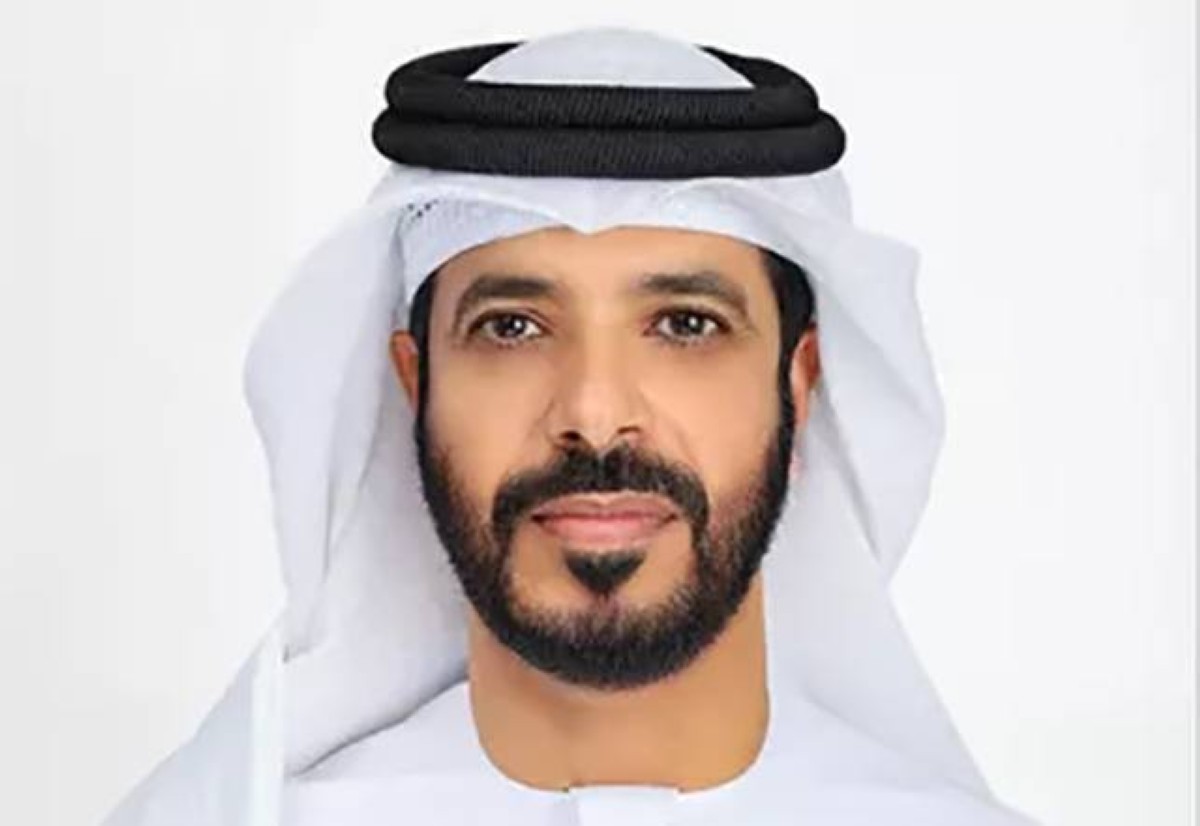
The United Arab Emirates stands at the forefront of global food security initiatives, driven by a strategic vision that aims to establish the nation as a leader in this crucial area. In recent statements, Dr. Mohamed Salman Al-Hamadi, Assistant Undersecretary for Food Diversity at the Ministry of Climate Change and Environment, highlighted the three key pillars that guide the UAE towards achieving global leadership in food security. This vision is not only comprehensive but is also designed to meet the goals of the National Food Security Strategy 2051, establishing long-term pathways to ensure food availability for all citizens and residents.
Strengthening Public-Private Partnerships
One of the primary pillars of the UAE’s approach to food security involves enhancing partnerships with the private sector. Al-Hamadi emphasized that food security is a shared responsibility that necessitates cooperation between government and private entities. He noted that the government’s role is to create a supportive legislative and regulatory environment that encourages investment, stimulates quality projects, and promotes the growth of food industries. This collaboration aims to bolster the efficiency and sustainability of supply chains, allowing them to endure various challenges.
Embracing Modern Technology and Innovation
The second pillar focuses on adopting modern technologies and leveraging innovation within the agricultural and food sectors. According to Al-Hamadi, the UAE has made significant advancements in this field, positioning itself as a global model for smart agricultural solutions. He pointed out that modern technology enhances productivity and resource efficiency, particularly in the face of climate challenges and dwindling water resources. The country boasts world-leading projects in advanced agriculture, including the largest vertical farm in the world, coupled with ongoing investments in modern agricultural technologies that enhance productivity and sustainability.
Supporting Local Farmers
The final pillar centers on supporting local farmers, who are considered the cornerstone of the national food security system. Al-Hamadi emphasized that the UAE views farmers as vital partners in achieving food sustainability. The government’s efforts are concentrated on building an integrated support system for farmers, starting with the provision of resources, modern technologies, and agricultural guidance. This support extends to production processes and marketing strategies, ensuring that local products reach the market competitively and earn consumer trust.
The UAE’s achievements in global food security indicators reflect the effectiveness of this comprehensive vision and the successful implementation of policies over recent years. Al-Hamadi noted that the nation’s regional leadership in global food security metrics underscores the substantial efforts invested in this sector. This accomplishment mirrors the proactive vision of the country’s leadership, which has prioritized food security and developed an integrated system based on a diverse supply chain and multiple trade partners. This strategy not only guarantees the availability of high-quality food products year-round but also enhances the UAE’s resilience against global fluctuations, thereby securing food sustainability for future generations.