
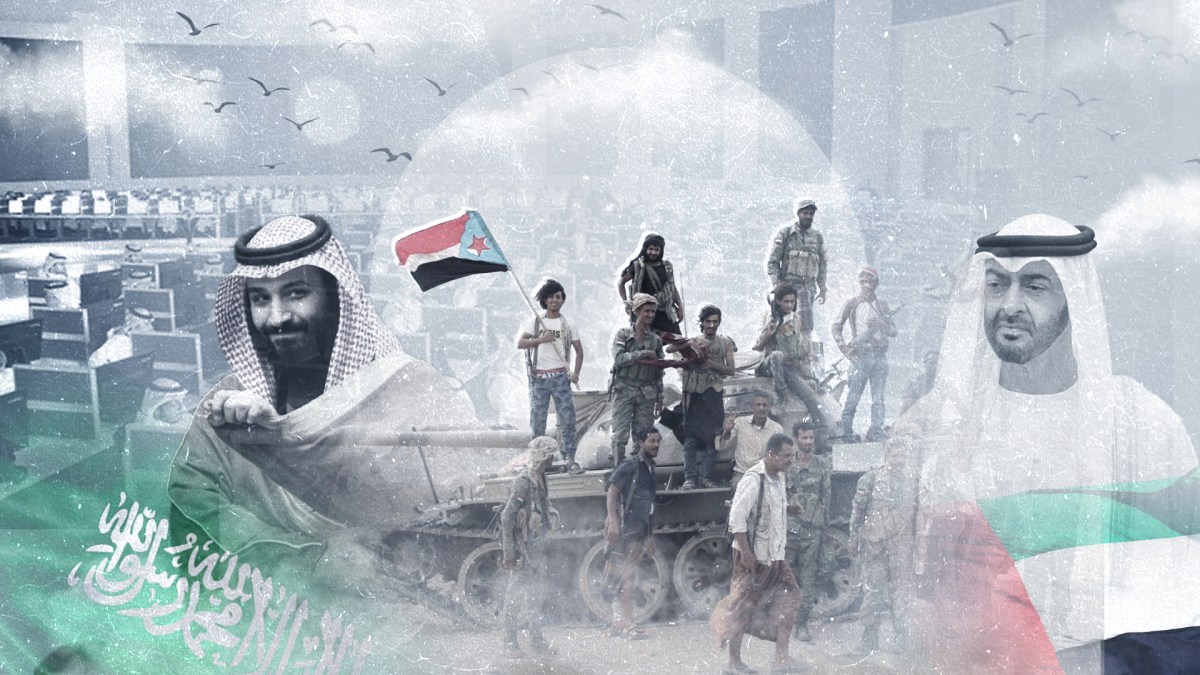
The Hidden Front in the Saudi-UAE Conflict
In the context of the contemporary Saudi-UAE conflict, the phrase “the hidden front in the Saudi-UAE conflict” refers to the burgeoning digital landscape becoming a critical battleground for political narratives. As tensions escalate, social media platforms are transformed into channels for shaping public opinion, revealing coordinated efforts that shift perceptions of historical allies into immediate adversaries. This article explores how this phenomenon unfolds, examining the underlying mechanisms at play and the implications for the stability of the Gulf region.
The Rise of Digital Warfare
With each political crisis in the Gulf, the digital space emerges as a parallel arena for confrontation, where debates quickly harden and extend beyond mere political critique to encompass entire communities and governments. This sharp fluctuation in digital discourse indicates a well-orchestrated effort to redefine the concept of the “other,” challenging the historical dynamics of regional alliances. The potent impact of social media has raised vital questions about who fuels this discourse and manipulates its rhythm.
The Impact of “Electronic Flies”
The term “electronic flies” gained traction within the Gulf media landscape during the Qatar boycott crisis that erupted in 2017, evolving from a limited journalistic description to a central analytical concept. It encapsulates a significant shift in conflict management tools, transitioning from traditional diplomatic and media channels to open arenas of public influence online. As regional tensions resurface, the role of electronic flies has reemerged prominently in the ongoing conflict between Saudi Arabia and the UAE. Users from both sides engage in a public exchange of accusations regarding who orchestrates these digital campaigns.
Emirati accounts have attributed this activity to the Saudi “Global Center for Combating Extremism,” while Saudi accounts have directed accusations toward Emirati figures for managing similar digital initiatives. Such digital exchanges underscore a structural transformation in how Gulf crises are managed, highlighting the extension of conflict tools into the digital realm. This shift raises serious questions about its impact on Gulf social cohesion and future trust among its components.
The Role of Political Elites
Sharp polarization accompanying Gulf crises is no longer anchored solely in anonymous accounts or “electronic flies.” The scope has expanded to include significant political and cultural elites actively engaged in generating provocative narratives and redirecting public sentiment. This shift signifies a transition where crises evolve from being manageable political disputes to open symbolic confrontations that draw upon history, identity, and imagery through the expansive digital landscape.
In this context, former Lebanese parliament member Walid Jumblatt accused “an Arab state maintaining relations with Israel” of seeking to encircle the Kingdom. Although his comment was implied, its political content was enough to ignite a wave of indignation, most notably from Emirati academic Dr. Abdulkhaleq Abdullah, who criticized Jumblatt as “foolish.” This dialogue was not isolated, as a tweet from media figure Amr Adib generated similar polarization, asserting that Saudi Arabia was forced into confrontation “when matters crossed the thresholds of Saudi security.”
Between Media Discourse and Official Policies
Highlighting the dangers of conflating media discourse with official state policies during crisis periods, political writer Dr. Hadi bin Ayyad asserts that this misperception is no longer incidental but has become a structural hallmark of the current media landscape. The unprecedented openness of the digital domain, coupled with the diminishing monopoly of traditional media in shaping public narratives, has transformed the landscape. As social media platforms rise, the expression of opinion is no longer confined to media institutions or experts; a broad mixture of specialists and laypersons can contribute, blending methodical knowledge with emotional impressions and superficial interpretations of events.
Dr. bin Ayyad emphasizes that the fundamental issue lies in the erosion of the boundaries between informed opinion and random sentiments lacking analytical tools. Alarmingly, these random views sometimes achieve greater reach and impact than more reasoned discourse. The risk intensifies when media rhetoric—or even opinions from individuals and public figures—are seen as direct reflections of official state policies. Additionally, regarding the media’s role in Gulf crises, he notes that journalistic neutrality remains a relative concept shaped by political references and editorial lines, complicating the landscape further.