
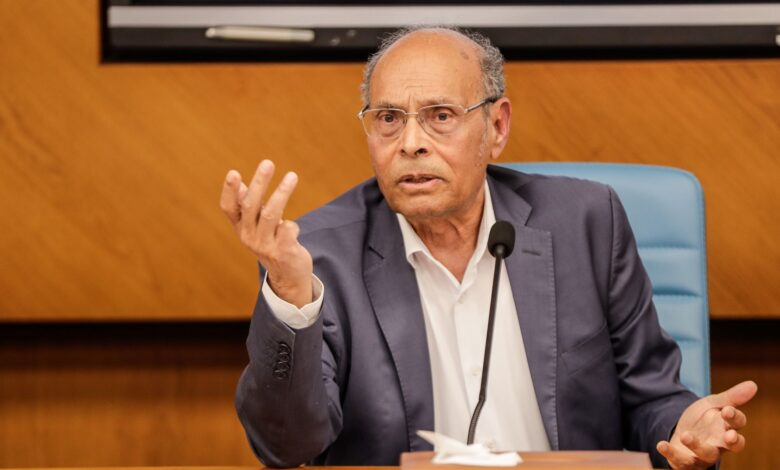
In a significant speech at the inaugural conference of opposition forces, Moncef Marzouki drew attention to a complex regional scene marked by heightened diplomatic tensions. He praised Algeria’s decision, announced on 10 September, to sever diplomatic ties with the United Arab Emirates, granting the Emirati ambassador 48 hours to leave Algerian soil. This development signifies a dramatic shift in regional dynamics, as Marzouki urged other Arab capitals to follow Algeria’s lead, categorising Abu Dhabi and Tel Aviv as enemies of the Arab nation.
Marzouki’s Shockwave: Algeria’s Bold Decision and its Implications
The Algerian move reflects a direct response to provocative actions that had overwhelmed diplomatic efforts. Marzouki framed this diplomatic break as an opportunity for unity among Arab nations, asserting that the time has come for collective action against actors perceived to undermine Arab interests. His comments shifted the discourse towards a revolutionary perspective, suggesting that the events of January 2011, which saw the fall of Zine El Abidine Ben Ali’s regime, were interconnected with the subsequent ousting of Hosni Mubarak, creating a backdrop for the current demands for democracy in Tunisia and the broader region.
He characterized these revolutions as ‘twins’ and the following counter-revolutions as their dark counterparts, asserting that the triumph of democracy in Tunisia is intrinsically linked to the Nile Valley. Marzouki’s rhetoric established a reciprocal relationship between the political landscapes of Tunisia and Egypt, arguing that the advances of democracy cannot be viewed in isolation amidst the current political climate.
Marzouki also revisited claims from 2019 regarding the influence of Egyptian rhetoric within the Carthage Palace and alleged interference by intelligence agencies in Tunisia’s democratic trajectory. This narrative, despite lacking independent documentation or evidence, illustrates his ongoing concerns regarding the preservation of Tunisia’s sovereignty, particularly in the context of President Kais Saied’s actions to halt parliamentary functions and restructure authority amidst corruption allegations.
Through his vision, Marzouki endeavours to reshape regional narratives, linking Algeria’s diplomatic break with broader agendas for change. He expresses a firm belief that the current conflicts transcend bilateral disputes, affecting the strategic influence structures across the entire Arab region at a time of critical significance.