
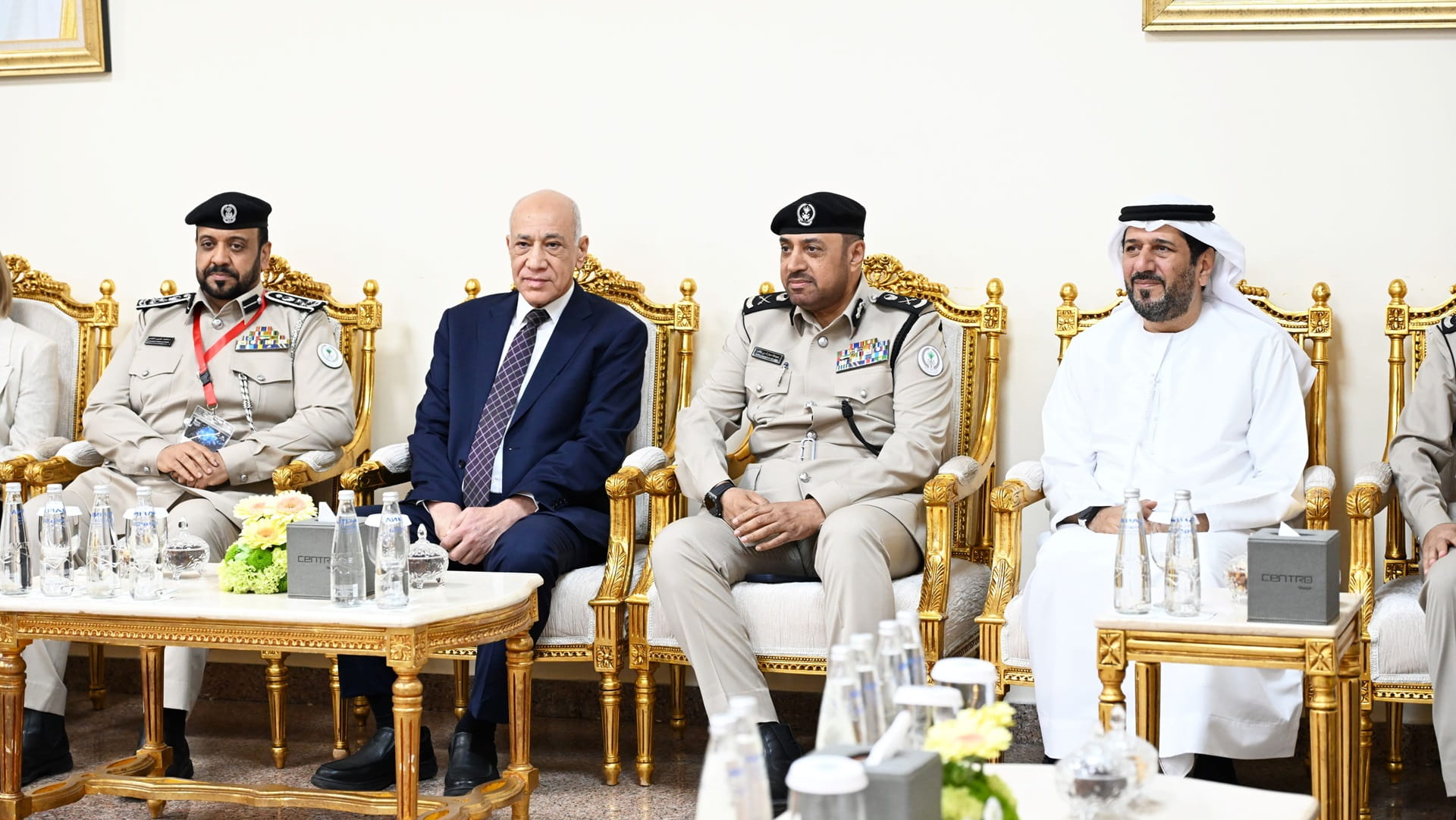
The University of Sharjah has recently launched its second conference titled “The Future of Society in the Age of Artificial Intelligence,” aimed at exploring the impact of artificial intelligence on society and academia. Under the patronage of His Highness Sheikh Sultan bin Ahmad Al Qasimi, Deputy Ruler of Sharjah and President of the University of Sharjah, this event gathers researchers and scholars from local and international institutions to foster scientific dialogue and collaboration in the realm of applied research in the humanities and social sciences.
Inaugurated in the presence of Professor Issam Al Ajmi, Director of the University of Sharjah, and General Abdullah Mubarak bin Amer, Commander-in-Chief of Sharjah Police, the conference spans three days and features prominent figures in academia and research. The objective is to enhance academic dialogue, exchange knowledge, and build bridges between institutions while reflecting on the future of applied research in the humanities and social sciences amid the rapid advancements in artificial intelligence technology. This aligns with broader goals to support community service and achieve sustainable development.
Vision for the Future of AI and Society
In his opening address, Professor Issam Al Ajmi emphasized the unprecedented pace of technological advancement, highlighting how “artificial intelligence is now a major driver of change across various aspects of life.” He noted that the role of the humanities and social sciences goes beyond merely keeping pace with technology; it is crucial for guiding and shaping these advancements in ways that benefit humanity and preserve cultural values and identities.
Al Ajmi underscored that the university prioritizes applied research aimed at community development, stressing the need for a clear understanding of the implications of artificial intelligence on family structures, governance, and the economy. He called for evidence-based, sustainable solutions while fostering interdisciplinary collaboration between academics and policymakers, paving the way for a balanced future that harmonizes innovation with ethical responsibility.
Discussions on Security and Community Wellbeing
Major General Abdullah Mubarak bin Amer also spoke during the conference, sharing insights on how intelligent digital systems have become foundational to enhancing police work and service delivery. He elaborated on Sharjah Police’s proactive strategies that identify nine future domains and develop 41 scenarios, yielding innovative digital solutions that bolster cybersecurity and address emerging crime patterns. This pivotal resource exemplifies the commitment to integrating artificial intelligence into public safety.
Furthermore, Professor Muammar Baltyeb emphasized the role of the University of Sharjah in advancing interdisciplinary applied research to keep pace with the rapid transformations in modern society. He pointed out that the age of artificial intelligence amplifies the importance of the humanities and social sciences in understanding its societal effects. Baltyeb also highlighted efforts to build a robust research infrastructure and expand international partnerships focusing on innovation and community service.
Global Participation and Academic Exchanges
Professor Fakar Al Ghraibeh, Director of the Institute for Humanities and Social Sciences, detailed that the conference attracted participants from 40 countries, showcasing nearly 300 research papers in over 45 sessions and workshops. This overwhelming participation enriched academic dialogue and enhanced the exchange of experiences and research insights, providing valuable contributions to the overall field.
Notable keynote speakers included internationally recognized scholars such as Professor Abdul Razak Grangh, a Nobel Laureate in Literature, and Professor Maria Montoya, Chair of the UNESCO Open Education Chair in Latin America, among others. Various universities from the UAE also participated, including the United Arab Emirates University and New York University Abu Dhabi, demonstrating a rich tapestry of collaboration in addressing the challenges posed by artificial intelligence.
The conference also featured a dedicated exhibition titled “Smart Solutions for Community Security,” showcasing cooperation between various stakeholders, such as Sharjah Police and the Sharjah Government Media Office. This initiative emphasized the holistic approach required to address the complexities introduced by artificial intelligence in societal contexts.
Throughout the event, key themes emerged regarding future trends in studying communities and childhood in the era of artificial intelligence, its applications in crime prediction and social security, the ethical responsibilities surrounding AI in academic research, and emerging green innovations within environmental and social research domains. This gathering laid the groundwork for a deeper understanding of the transformative potential of artificial intelligence on society.