
Using “Smart Imaging” to Revive Damaged Coral Reefs in Fujairah
In Dibba, Fujairah, a pioneering environmental initiative has been launched aimed at utilizing “smart imaging” to restore damaged coral reefs along the eastern coast. This initiative is part of collaborative efforts between local environmental and research organizations, along with divers and researchers, to foster hope in repairing the deteriorating ecosystem. The project reflects an interactive vision that aims to employ modern technological tools for analyzing and monitoring environmental changes, marking a significant step forward in biodiversity conservation.
Dimensions of the Smart Imaging Project
The project spans an area of 40,000 square meters and represents a fruitful collaboration between the Ministry of Climate Change and Environment and the Fujairah Environment Authority. It adopts a “holistic site restoration” approach, integrating coral reefs, seagrass meadows, and mangroves. This integration aims to rebuild comprehensive coastal systems and achieve overall environmental sustainability. This project is the first of its kind in the Middle East, leveraging the ideal combination of scientific technology and community engagement to address environmental challenges.
Environmental Challenges and Their Manifestations
Coral reefs in the UAE face numerous environmental challenges, as elevated surface water temperatures—reaching 34 degrees Celsius in 2021—have led to widespread coral destruction. Additionally, recent years have seen a recurrence of coral bleaching and mass mortality events. This situation necessitates an urgent response supported by modern technologies, which the “smart imaging” project aims to provide as an innovative solution to raise awareness and knowledge about the condition of the reefs.
Development of Digital Systems and Scientific Research
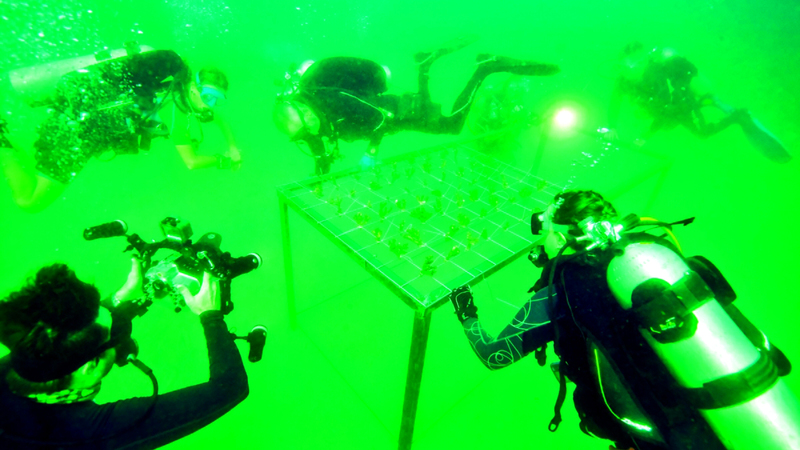
The project focuses on developing digital scientific monitoring systems based on underwater photography and videography, aimed at documenting the condition and growth rates of the coral reefs. This data will help build a robust database used to assess the success of restoration efforts and identify areas most vulnerable to environmental degradation. The program also includes the establishment of coral nurseries and funding for ongoing environmental monitoring over two years.
Training and Community Engagement
The project is not limited to technology but also includes training divers and environmental analysts in scientific imaging techniques, providing open educational programs for the local community. This will enhance the culture of participation in protecting the marine environment and provide the necessary knowledge to safeguard ecosystems. According to the initiative’s supervisors, the captured images serve as accurate scientific indicators for measuring coral health, contributing to monitoring changes resulting from climate factors and pollution.
Thus, the “smart imaging” project emerges as a cornerstone in the efforts to revive damaged coral reefs in Fujairah. This initiative could serve as a global model for how technology can be utilized in the fight against environmental degradation.