
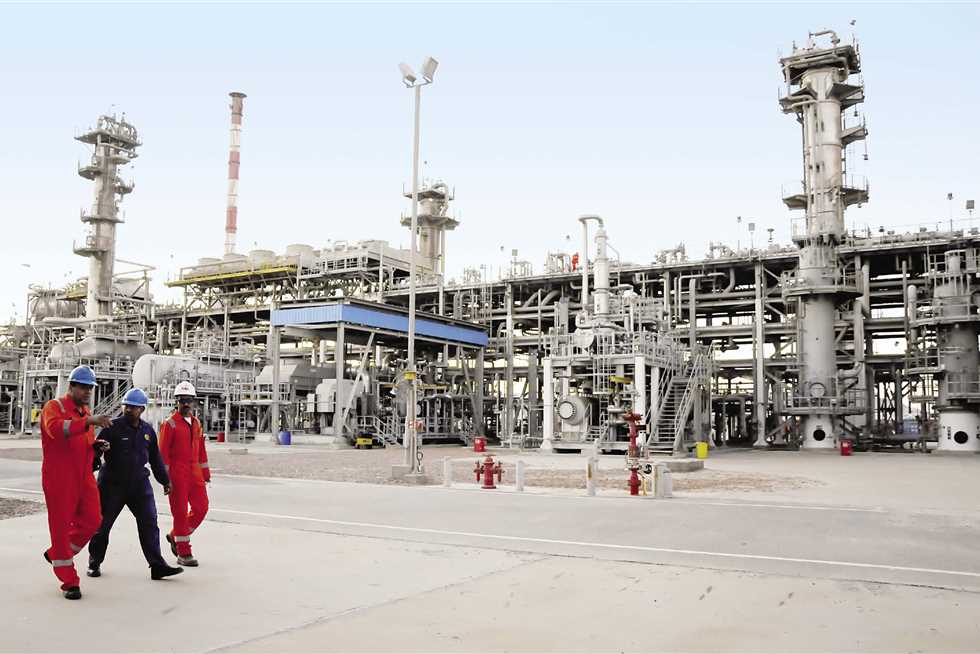
The Minya Al-Hamra Petroleum Port, located in the new city of El Alamein, aims to increase its storage capacity to 20 million barrels by 2030. This initiative reflects a strategic move to enhance the port’s role as a key logistics hub for storing and trading crude oil and petroleum products along the Mediterranean coast. The recent visit by Engineer Kareem Badawy, Egypt’s Minister of Petroleum and Mineral Resources, underscored the ongoing developmental efforts led by the operator, WePCo, thereby solidifying the port’s significance in the regional oil trade.
Ministerial Oversight and Strategic Discussions
During the visit, Minister Badawy met with a team that included Salah Abdel Kareem, the CEO of the Petroleum Authority, various sector leaders, and Ahmad Adel, an advisor to the Fujairah government. The discussions focused on accelerating the execution of the petroleum storage and trading center at the Minya Al-Hamra Petroleum Port, inspired by the successful model of Fujairah Port, recognized globally for its oil commerce. The Minister emphasized the importance of expediting the project’s development phases while integrating advanced safety protocols and international certifications to ensure operational excellence.
Project Phases and Timeline
In his remarks, Ahmad Adel noted the productive nature of recent meetings, which have led to the identification of execution priorities. He highlighted a full commitment from petroleum sector officials, assuring that both parties have the necessary resources and resolve to drive the project to fruition. A clear and efficient timeline for the various phases of the Minya Al-Hamra Petroleum Port project is expected to be established soon, targeting a series of developmental milestones.
Current Expansion Efforts
As part of the expansion plan, the Minister received updates on the current status of the northern and southern zones of the port from the head of WePCo. In the northern area, four new crude oil storage facilities are underway, aimed at boosting the total capacity from 2.8 million barrels to 5.3 million barrels. Two of these facilities are anticipated to be operational by the end of this year, with the rest following in the first quarter of next year. Furthermore, groundwork for four additional storage units has already been completed.
Future Vision for Petroleum Storage
Regarding the southern zone, the WePCo head reported the establishment of an integrated facility designed for the storage, trading, and shipping of petroleum products, with a capacity of 130,000 tons. This includes two phases: the first phase, concluding by the end of this year, will involve two diesel storage units, while the second phase, expected to finish by the second quarter of next year, will introduce six storage units for gasoline, diesel, and aviation fuel. The ambitious vision for Minya Al-Hamra Petroleum Port aims to elevate its operational capabilities by 2030 to accommodate the storage and trading of 20 million barrels of crude oil and 400,000 tons of petroleum products.