
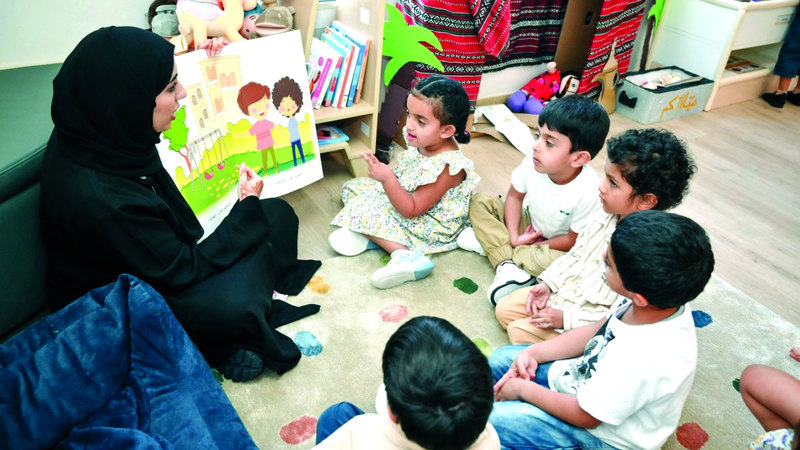
Reading is a powerful tool for cognitive development, and recent findings from the Abu Dhabi Department of Education and Knowledge highlight that children who dedicate just 20 minutes to reading each day are exposed to over 2 million words annually. This practice not only enhances literacy skills but also significantly boosts standardized test scores, often achieving a success rate exceeding 90%. Moreover, the department encourages parents to combat the phenomenon known as “summer learning loss,” which occurs when students take a break from learning during the vacation period. Emphasizing the importance of home reading, the department outlines several effective strategies to cultivate a love for reading in children, transforming it into an enjoyable daily habit.
Effective Strategies for Encouraging Reading
The Abu Dhabi Department of Education and Knowledge has outlined scientific strategies aimed at instilling a passion for reading in children. These strategies include “individual support,” “modeling,” “empowering choices,” “shared reading,” “word tracking,” “read-alouds,” “visual word recognition,” and “reading to a friendly audience.” Each method contributes uniquely to developing children’s reading abilities.
The concept of “individual support” is particularly vital as it recognizes the uniqueness of each child. This approach highlights the need to tailor support based on each child’s specific capabilities and needs, ensuring that reading remains a pleasurable experience. Modeling is another key strategy; children often mimic the actions of adults, so if they see parents enjoying reading, they are more likely to adopt a similar attitude.
Creating a Supportive Reading Environment
Empowering children to choose their reading material aligns their interests with the content they engage with. This strategy encourages autonomy and fosters a deeper connection to books. Additionally, the importance of read-alouds cannot be overstated. Continuing to read aloud to children, even after they become independent readers, demonstrates effective reading skills and reinforces understanding of punctuation and sentence structure. This interactive experience enhances learning in a fun and engaging way.
Another beneficial approach is “word tracking,” where children use their fingers to follow along with the text. This practice not only promotes engagement but also aids comprehension and helps children understand the context of the words in sentences. Meanwhile, “shared reading” allows children to participate at their own pace, deepening their fluency and confidence while ensuring the material is appropriately challenging.
Building Confidence Through Reading
The “visual word recognition” strategy helps children become confident readers by identifying high-frequency words, making it easier for them to recognize and read text independently. Reading to a friendly audience, like family members or peers, can alleviate anxiety and shyness associated with reading aloud, enhancing both confidence and skill development.
Documenting reading activities through photos or videos can serve as a motivational tool. Celebrating a child’s achievements in reading and revisiting recorded sessions can boost their enthusiasm and commitment to further reading endeavors.
Fostering a Reading Culture
The Abu Dhabi Department of Education and Knowledge is dedicated to promoting reading as a lifelong hobby, extending beyond academic materials. This initiative aligns with the National Reading Strategy’s aim to embed a reading culture within the community. By planting the seeds of reading early on, the department hopes to inspire future generations to embrace literacy as an integral part of their lives.
Encouraging children to read for just 20 minutes each day not only exposes them to over 2 million words annually but also equips them with essential skills that foster academic success and personal growth. Through supportive strategies and a nurturing environment, families can work together to ensure a bright and literate future for their children.