
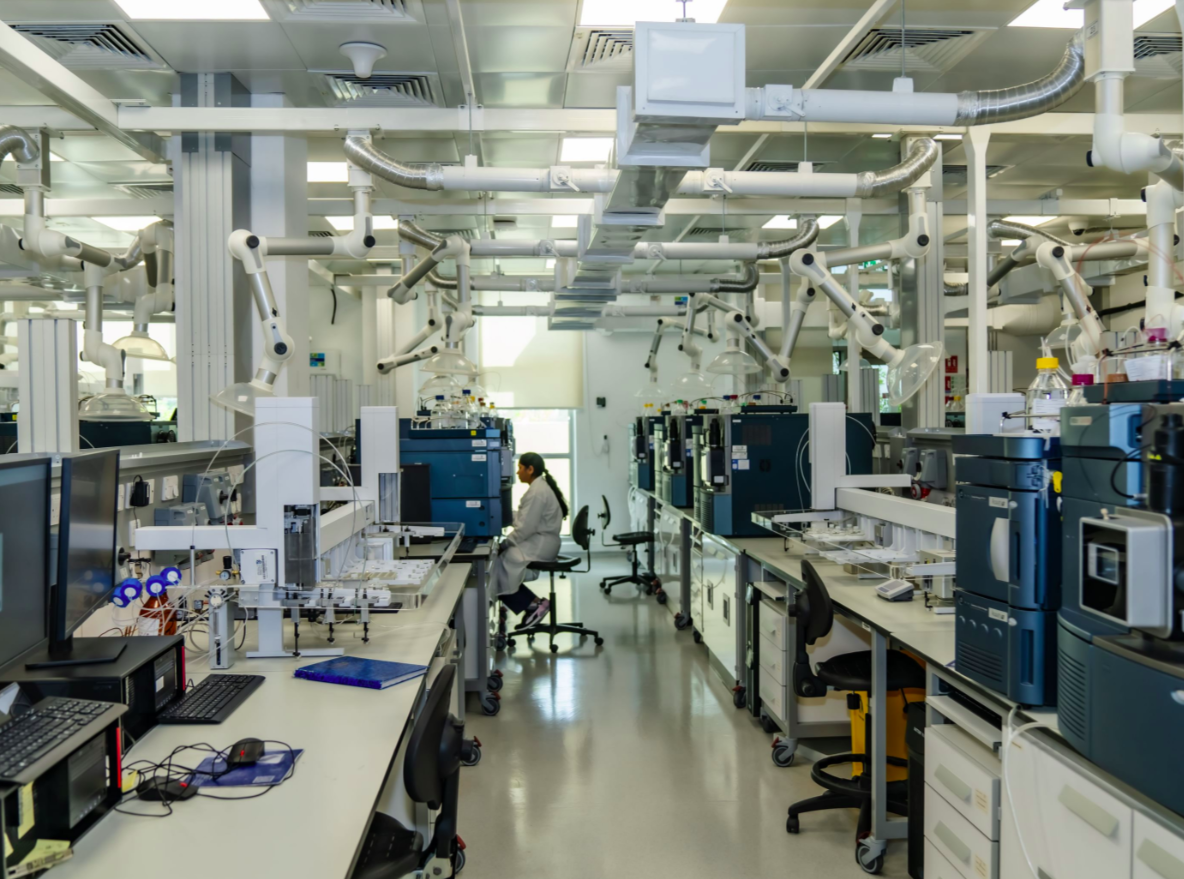
The Central Laboratory of the Abu Dhabi Quality and Conformity Council, through its monitoring and analysis management “Rasid”, has achieved a significant scientific milestone. In collaboration with the global healthcare technology company “M42”, which leverages artificial intelligence and genomics, they successfully identified and isolated a newly characterised rare genetic strain of the antifungal-resistant fungus “Candida auris” via the early monitoring system of sewage in Abu Dhabi.
Historic Findings in Antifungal Resistance
The study, published in “Communications Medicine” by the Nature portfolio, marks the first known regional detection of the sixth strain “Clade VI” of the fungus through environmental monitoring of wastewater. This finding enhances scientific understanding of the genetic diversity of this pathogen and supports investigations into emerging health risks.
The Role of Wastewater Surveillance
The results underline the importance of sewage monitoring as a complementary source of health and clinical data, facilitating the detection of pathogens and indicators of antimicrobial resistance, including antifungal resistance. This approach contributes to improved preparedness and proactive responses without replacing existing health and clinical surveillance systems.
Methodology and Genetic Insights
The research was based on over 23,000 systematically collected sewage samples. Researchers were able to isolate the fungus directly from these samples and conduct laboratory verification of its identity, moving beyond merely detecting its genetic traces. They employed a methodology that included strain identification, Whole Genome Sequencing (WGS), genomic analysis, and genetic testing to classify the strains alongside antifungal susceptibility testing.
The analyses revealed multiple genetic strains, including “Clade VI”, as well as genetic markers and varying patterns associated with resistance to certain antifungal treatments. This contributes to the ongoing research concerning antimicrobial resistance.
A Global Imperative
Globally, “Candida auris” has gained significant attention due to its resistance to several antifungal agents and the challenges it poses in certain healthcare settings. The World Health Organization has included it in the Critical Priority Group of fungi requiring urgent global attention. Antimicrobial resistance encompasses not only bacterial resistance to antibiotics but also fungal resistance to antifungal therapies, highlighting a broader public health concern.
Expert Perspectives
Samira bin Salem, Director of the Monitoring and Analysis Management “Rasid” at the Central Laboratory, highlighted the scientific value of this achievement, noting that the environmental surveillance system effectively captures emerging health indicators and drug resistance patterns, converting them into actionable data for evaluation.
She explained that combining laboratory isolation with full genomic sequencing and susceptibility testing allows for a more accurate identification of the sixth strain and a deeper understanding of its genetic characteristics and resistance patterns. Studying fungal resistance necessitates analysis of its genetic traits, sensitivity to medications, and any changes that may occur over time.
Future Directions in Public Health
Dr. Buvanesh Shanmugam, one of the principal researchers and a senior microbiologist at M42, noted that the identification of “Clade VI” adds new knowledge regarding the genetic diversity of “Candida auris” and its presence outside clinical environments. This understanding aids in elucidating genetic relationships among strains and their differing characteristics and antifungal susceptibility indicators.
Dr. Greg Brodytsky, co-researcher and assistant director of environmental sciences at M42, emphasised that the continual monitoring’s value extends beyond isolated lab results to establish a temporal picture that highlights trends and unusual signals, aiding in distinguishing between typical patterns and those requiring further investigation.
Sumaya Al Mansoori, a principal researcher in the study, noted how the integration of research phases—ranging from sample collection and ongoing surveillance to fungal isolation, identification verification, complete genomic sequencing, and susceptibility testing—empowered the team to accurately describe and classify the strains and their resistance patterns.
A Comprehensive Approach to Surveillance
The findings confirm sewage systems’ ability to provide information that transcends the simple identification of a pathogen, facilitating the study of genetic diversity, antimicrobial resistance indicators, and emerging risks. This supports the development of more proactive environmental surveillance methodologies.
This achievement reflects the evolution of “Rasid” from traditional laboratory testing to a system that amalgamates environmental surveillance, genomic science, data analysis, indicator tracking, early warning, and foresight regarding emerging risks. These capabilities bolster Abu Dhabi’s public health framework, guided by the Department of Health – Abu Dhabi and the Abu Dhabi Public Health Centre, by supplying scientific and environmental data that can be integrated with health and clinical information for risk assessment, preparedness enhancement, and appropriate action in adherence to established policies.