
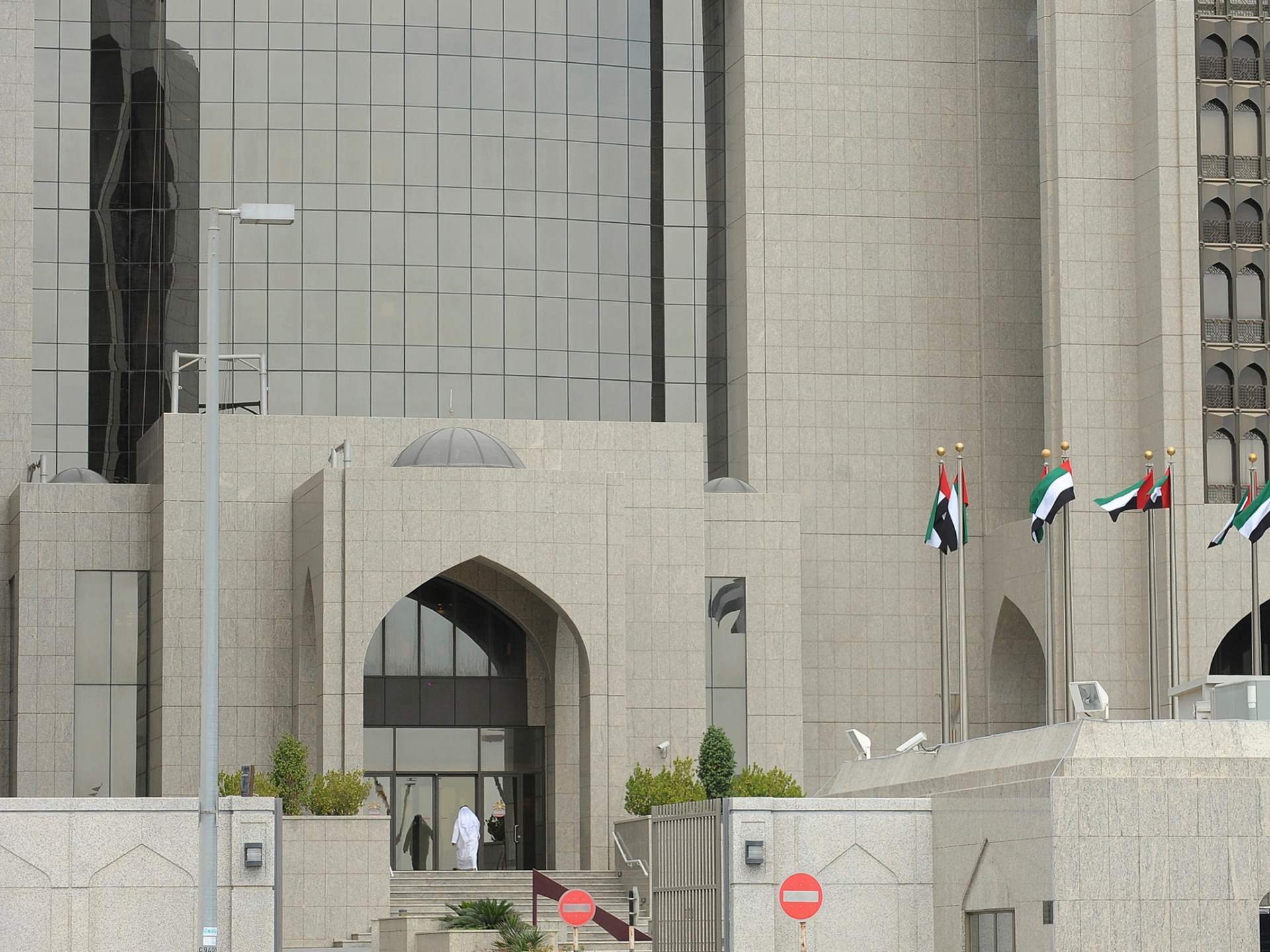
In a recent analysis of the economic landscapes of the UAE and Iraq, credit rating agencies Moody’s and Standard & Poor’s maintained their sovereign ratings but painted contrasting outlooks for the two nations. This article delves into how Moody’s affirms the UAE’s rating while Standard & Poor’s keeps Iraq under pressure, highlighting the resilience of the UAE amidst ongoing geopolitical challenges while underscoring the strains facing Iraq’s economy.
UAE’s Strong Economic Standing
Moody’s affirmed the UAE’s long-term sovereign ratings in both local and foreign currencies at Aa2, backed by a stable outlook. The agency emphasized the robust nature of the UAE’s economy, characterized by a high average income per capita and a diversified economic base. Additionally, the strength of its institutions and low federal government debt further bolster its creditworthiness.
The agency’s evaluation took into account potential disruptions in navigation through the Strait of Hormuz but posited that such challenges would not significantly damage the UAE’s vital energy infrastructure. Moody’s noted that the country’s creditworthiness is supported by alternative oil export routes, such as the Habshan–Fujairah pipeline, substantial financial reserves, and potential backing from the Abu Dhabi government, whose financial assets exceed 300% of its GDP.
Moreover, Moody’s anticipates continued growth in non-oil revenues and expansion of sectors outside hydrocarbons, enhancing the UAE’s ability to reduce its dependence on oil in the future. This optimistic projection reflects a clear understanding of the UAE’s adaptability and economic strategies amidst external pressures.
The Challenges Facing Iraq
In stark contrast, Standard & Poor’s maintained Iraq’s sovereign rating at “B-/B,” but with a negative outlook. The agency warned of ongoing pressures on Iraq’s economy due to its heavy reliance on the oil sector. S&P forecasted Iraq’s average oil production for 2026 to reach approximately 2.9 million barrels per day, representing a reduction of nearly 28% compared to pre-war levels of around four million barrels per day in 2025.
Given that oil accounts for more than 90% of Iraq’s budget revenues and commodity exports, the nation’s fiscal position and balance of payments are particularly vulnerable to any disruptions in exports or declines in production. S&P projected a contraction of Iraq’s real GDP by 15% this year. However, it also indicated that relatively high oil prices might ease some pressures if exports gradually recover in the latter half of the year.
Earlier this year, S&P had placed Iraq’s sovereign rating on a negative watch list but later decided to remove it while maintaining the negative outlook. This indicates an ongoing cautious approach towards Iraq’s economic stability in the face of sustained regional conflict and trade disruptions.
The divergent paths of the UAE and Iraq reflect broader trends in regional economics, illustrating the resilience of the UAE in difficult circumstances while highlighting the vulnerabilities facing Iraq. As each nation navigates its unique challenges, the findings from these credit ratings serve as a critical lens through which their economic futures may be assessed.