
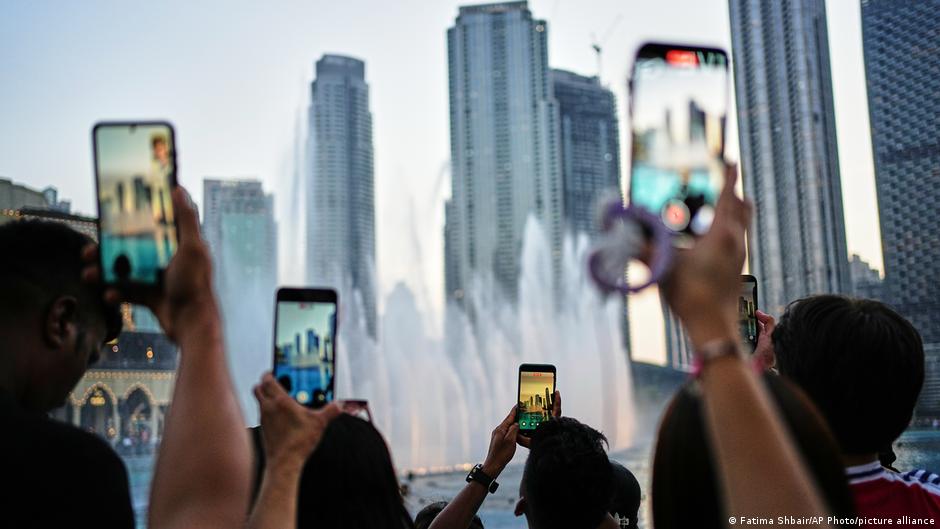
Five Stars at Half Price: How Local Tourism Saved Dubai‘s Hotels
Under the pressure of global circumstances, Dubai’s luxury hotels have undergone a drastic transformation thanks to local tourism. With the absence of foreign tourists, attractive offers have become the driving force of the tourism sector, giving residents the chance to experience luxury at a reasonable price. In this environment, hotel promotions stand out as a lifeline to revive the tourism industry in this sparkling emirate.
When Planes Were Absent, Cars Took Action
Luxury hotels in Dubai, which have always attracted wealthy visitors, are now relying on residents enticed by tempting price offers. These hotels are trying to compensate for the decline in foreign tourist numbers amid the prevailing geopolitical conditions in the region.
In Palm Jumeirah, a place renowned for its opulence, hotels have seen increased activity during weekends due to special offers for residents, allowing many to enjoy luxury experiences that were previously exclusive to the affluent.
Injured Hotels
Dubai boasts 827 hotels, including 173 five-star establishments, which had recorded an occupancy rate exceeding 80%. The emirate welcomed approximately 19.5 million tourists in 2025, making it one of the top tourist destinations in the region.
However, with rising tensions in the area, Dubai’s hopes of attracting similar numbers of foreign tourists have waned. The U.S.-Israeli attack on Iran on February 28, followed by Iranian escalation, has negatively impacted tourism. Many hotels, including the Anantara The Palm Dubai Resort, have confirmed their current reliance on residents.
A “Faster Pace”
While local stays provide a short-term boost to hotel activity, they are not deemed sufficient in the long run. Robinson noted that local tourists typically spend only one or two nights compared to international visitors, who used to stay longer. As summer approaches, there is growing concern about a decline in demand for local stays.
While some major hotels have temporarily closed for renovations, others continue to reduce their staff numbers or cut salaries to adapt to the current situation. Despite the pressures, there remains optimism as Robinson expects tourists to return faster than anticipated if a resolution is reached soon.
The Transit Dilemma and the Gulf Carriers’ Bottleneck
The war in the Middle East has severely impacted Gulf airlines, such as Emirates and Qatar Airways. The near-total closure of airspace has highlighted the vulnerability of these companies, which heavily rely on the Middle East as a major hub for air travel.
Willie Walsh, the Director General of the International Air Transport Association (IATA), reported that war-related events have complicated matters, with forecasts predicting a nearly halving of profits for global airlines.
Millions in Losses and Mass Cancellations
The losses resulting from these events in the region’s tourism sector are estimated at around $600 million daily, according to estimates from the World Travel and Tourism Council. Flight cancellations and airspace closures have led to massive hotel booking cancellations.
In the first week of March, over 80,000 bookings for short-term rental units in Dubai alone were canceled, making the situation even more challenging. However, local tourism remains a lifeline for hotels, allowing them to adapt to difficult conditions.
Despite the obstacles, local tourism, through its enticing offers, is the only way to keep the wheels of Dubai’s tourism economy turning.