
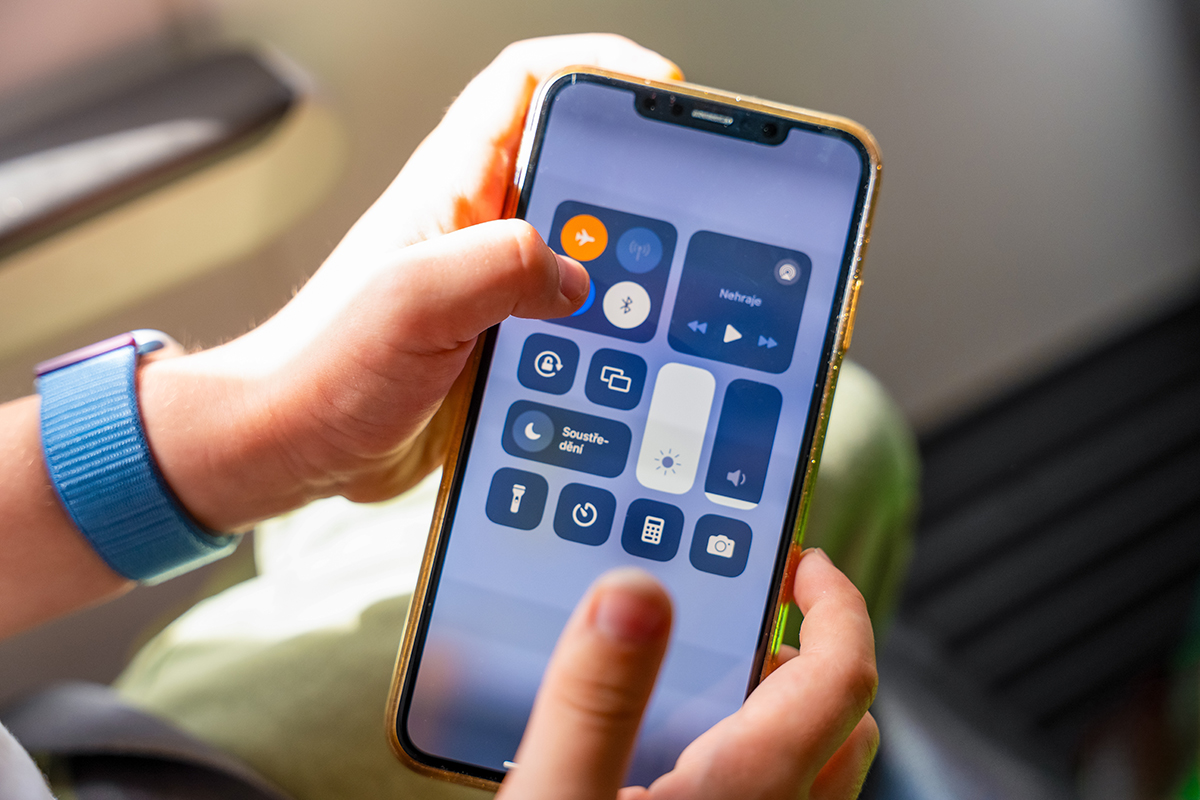
As we approach 2025, the relevance of airplane mode on mobile devices prompts significant discussion among aviation experts. With airlines globally embracing 5G technology that allows passengers to make calls at cruising altitude, one must wonder: do we truly need airplane mode in the modern age of air travel? This article explores the origins of airplane mode, its impact on flight operations, and what the future may hold as technological advancements reshape the flying experience.
How Airplane Mode Began
The establishment of airplane mode in mobile devices arose from aviation safety regulations enacted in the late 1990s and early 2000s. With the growing prevalence of mobile phone use, regulators expressed concerns regarding potential interference from radio signals with aircraft navigation and communication systems. Although there was limited conclusive evidence to support these fears, aviation authorities opted for a cautious approach.
To adhere to these regulations, mobile manufacturers implemented airplane mode, a feature designed to disable a device’s capability to send or receive any wireless signals without turning off the device itself. Notably, Nokia was among the pioneers to introduce this functionality on its Symbian-based phones in the early 2000s.
Airplane mode quickly became a standard feature across smartphones, tablets, and laptops, enabling passengers to use their devices offline during flights. As airline technology advanced and in-flight Wi-Fi and Bluetooth services emerged, regulators began to allow passengers some flexibility in enabling specific wireless functions while still complying with safety guidelines.
Today, most aviation authorities mandate the use of airplane mode during takeoff and landing, although evolving global standards reflect the increasing demands for passenger connectivity and advancements in aircraft technology.
But Does This Really Affect Flight Operations?
Gabriel Melikian, an aviation expert and veteran in the UAE industry, claims he has “never come across an incident where a mobile phone brought an aircraft down or caused an emergency landing due to interference.” This perspective is particularly relevant now, as many airlines are integrating 5G technology that allows passengers to use their phones without activating airplane mode, challenging decades of established safety protocols.
While airplane mode was originally intended to prevent interference with aircraft systems, Melikian argues that it should be more accurately termed “Standby Mode.” He notes that mobile signals can also disrupt hospital equipment and other critical devices, not just those aboard aircraft.
The primary concern lies in the annoyance created by radio signals, which can transmit buzzing sounds into flight crew headsets. “If over 100 passengers have their phones on simultaneously, the flight crew could be overwhelmed by buzzing sounds during critical phases like takeoff and landing,” he explained. Interestingly, despite regulatory restrictions from the FAA and FCC, research has not conclusively demonstrated that mobile devices cause any real interference with flight operations.
Echoing this sentiment, Saj Ahmad, an aerospace and aviation analyst from the UK, remarks, “there’s never been a known incident of a phone interfering with a flight,” yet airlines continue to enforce airplane mode policies ostensibly to mitigate potential risks. Nonetheless, older aircraft may still be more susceptible to interference, as Melikian noted, highlighting the unique vulnerabilities of older navigation systems.
European Union and UK regulations are adapting with the incorporation of 5G, allowing airlines to provide this technology onboard and giving passengers the ability to make calls, send texts, and stream videos—all without needing airplane mode. However, Melikian cautions that current guidelines regarding airplane mode are “inconsistent and confusing.” Mobile devices often struggle to maintain connections during flights due to their high speed and physical barriers within the aircraft, which severely limit signal reception.
So, What is the Role of Wi-Fi and Cellular Networks in Aircraft?
Wi-Fi and cellular networks are distinct technologies that serve different functions. Ahmad elucidates that “Wi-Fi is designed for short-range connections, while cellular relies on more extensive infrastructure and longer-range signals.” Airplane mode suspends all radio frequency, Bluetooth, and Wi-Fi capabilities on devices. Given advancements in both aircraft technology and mobile systems, Ahmad asserts that retaining existing rules minimizes the risk of operational complications for pilots.
Melikian emphasizes the risks posed by lithium batteries, stating they represent a greater concern than potential interference. He asserts that “the most dangerous item in your carry-on luggage is the lithium battery in your phone.” These batteries can ignite if damaged or overheated; hence regulatory bodies like ICAO and IATA mandate that portable electronic devices must be carried in hand luggage rather than checked baggage.
“Passengers should avoid charging their devices onboard,” Melikian cautioned, noting he has seen individuals charging devices inappropriately, which poses a risk as batteries can heat up during charging and potentially ignite. The historical context also unveils commercial motivations behind these restrictions. Melikian recalled how airline policy changed in the late 1980s when in-flight phone services were introduced, providing revenue opportunities alongside restrictions on personal mobile phones.
He raised an important point, questioning if mobile devices truly posed a safety risk, why regulators would not prohibit their use entirely. Meanwhile, Ahmad highlighted the comfort aspect, noting that many passengers prefer not to engage with fellow flyers who may be conversing loudly. The rising trend of digitally detoxing during flights reflects a shift toward minimizing technology reliance, providing passengers with a quiet, distraction-free environment.
“There will always be differing perspectives,” Melikian stated, suggesting that while the risk of interference from mobile phones remains low, the cumulative effect of many devices working simultaneously could heighten the chances of disrupting critical systems during flight. Currently mandated safety protocols like airplane mode act as a precaution in an uncertain environment, prioritizing safety over potential convenience for passengers.
As the aviation landscape continues to adapt in response to technological advancements, the ongoing debate regarding the necessity of airplane mode is sure to evolve. For now, experts recommend adhering to current regulations, balancing both safety and modern travel expectations.