
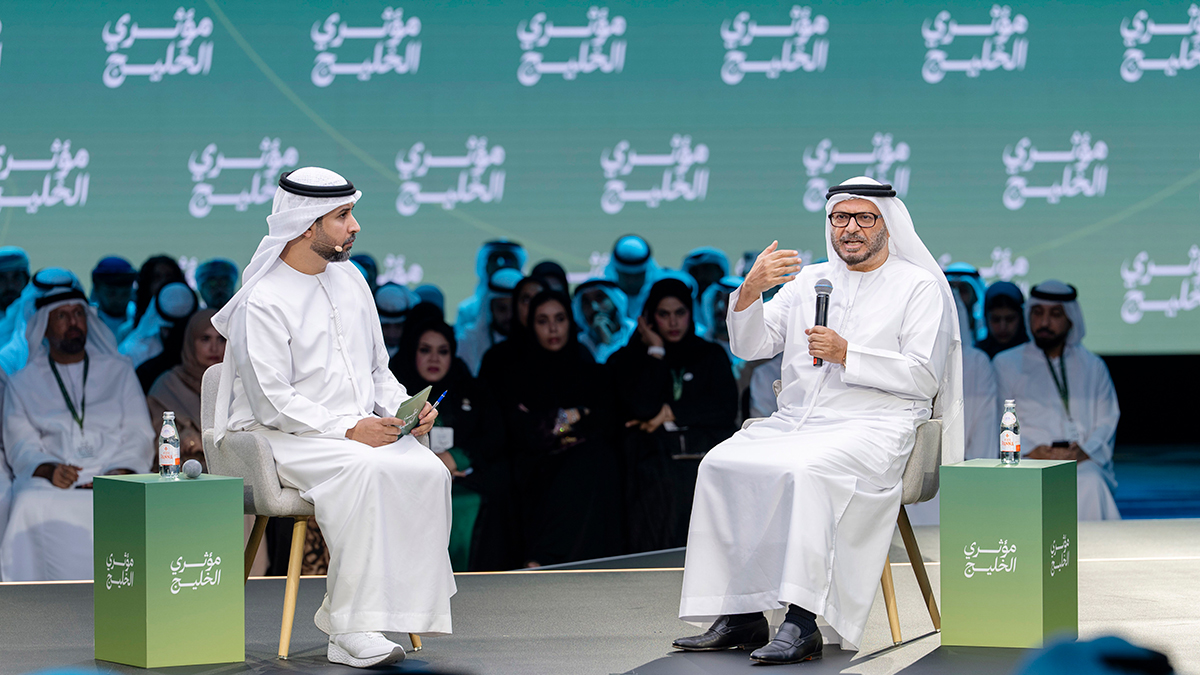
The recent Iranian aggression has been revealed as a premeditated campaign, drawing attention to the complexities of Gulf regional security dynamics. This incident has heightened tensions and underscored the significant efforts made by Gulf nations to prevent war. Against a backdrop of deliberate strategic planning by Iran, the reactions from Gulf states highlight a critical moment in the region that calls for an urgent reassessment of alliances and defense mechanisms.
Insights from Dr. Anwar Gargash
Dr. Anwar bin Mohammed Gargash, the diplomatic adviser to the UAE President, characterized the Iranian aggression as brutally unexpected and dangerously reckless. He emphasized that this incident was not a spur-of-the-moment decision but rather a well-orchestrated act planned in advance by Iran, complete with pre-laid strategies and fortifications. Gargash pointed out how Gulf states exerted considerable efforts to avoid such a conflict, reaffirming their commitment not to offer any facilitation that could be leveraged against Iran.
A Turning Point in Gulf History
During a discussion titled “Reassessing Alliances in Times of Tension,” moderated by Faisal bin Huraiz at the “Gulf Influencers” event held at Atlantis The Palm in Dubai, Gargash remarked on the historical significance of recent events. He noted that the scale and intensity of the Iranian assault were unprecedented in Gulf history. This incident has shattered previous containment policies that Gulf states had attempted to implement, revealing their inadequacies. Gargash stated, “The Iranian aggression poses a vital threat for the coming years,” urging an urgent reevaluation of security strategies.
The Fragility of Regional Cooperation
Gargash also pointed out the weakened cooperative frameworks within the Gulf Cooperation Council during this critical juncture. “This lack of a unified front has been historically weak compared to previous crises,” he remarked, citing the inadequacies of both the regional response and support from the Arab League. This fragmentation in addressing national security concerns has compounded the challenges faced by Arab nations in the wake of Iranian hostility.
Implications for Future Strategies
Highlighting the outcomes of the Iranian aggression, Gargash commented on the fracturing of Arab national security and shifting priorities among Arab states. He argued for the necessity of a robust and enduring U.S. military presence in the Gulf to counter the perceived Iranian threat. Emphasizing that “the aftermath of Iranian aggression will fundamentally alter the landscape for Gulf nations,” he urged a comprehensive reassessment of defense strategies to effectively safeguard regional interests. Building a steadfast national narrative and collaborative regional defense will be essential in addressing the new realities imposed by this aggression.
Ultimately, Gargash asserted that the UAE and its Gulf partners have displayed resilience that transcends the immediate conflict, holding strong diplomatic, societal, and economic pillars. He concluded, “As we move forward, the focus must be on creating sustainable frameworks for stability and avoiding narratives that diminish our national security.” The evolving situation demands a coordinated response that reflects the realities of a changing geopolitical landscape.