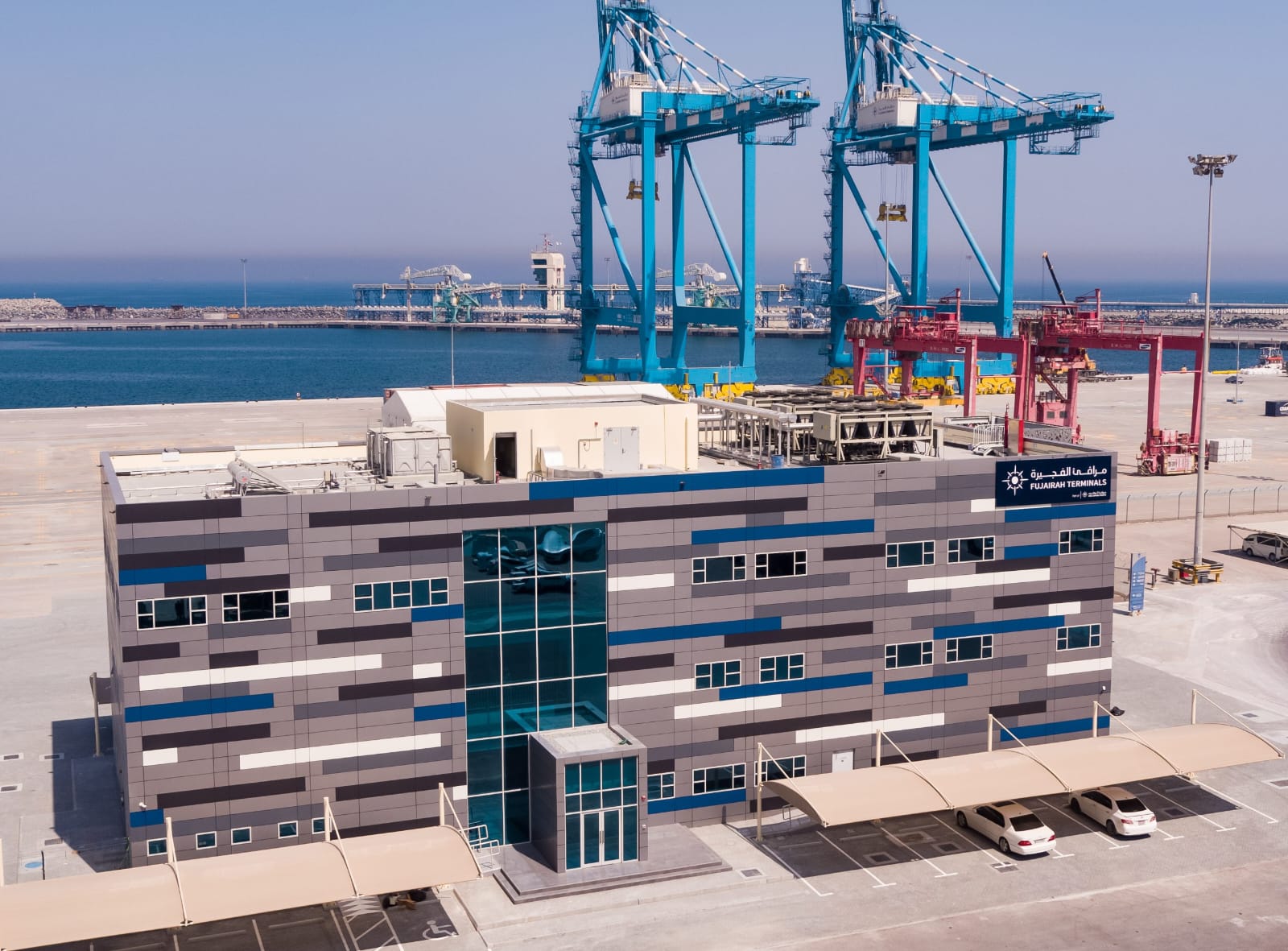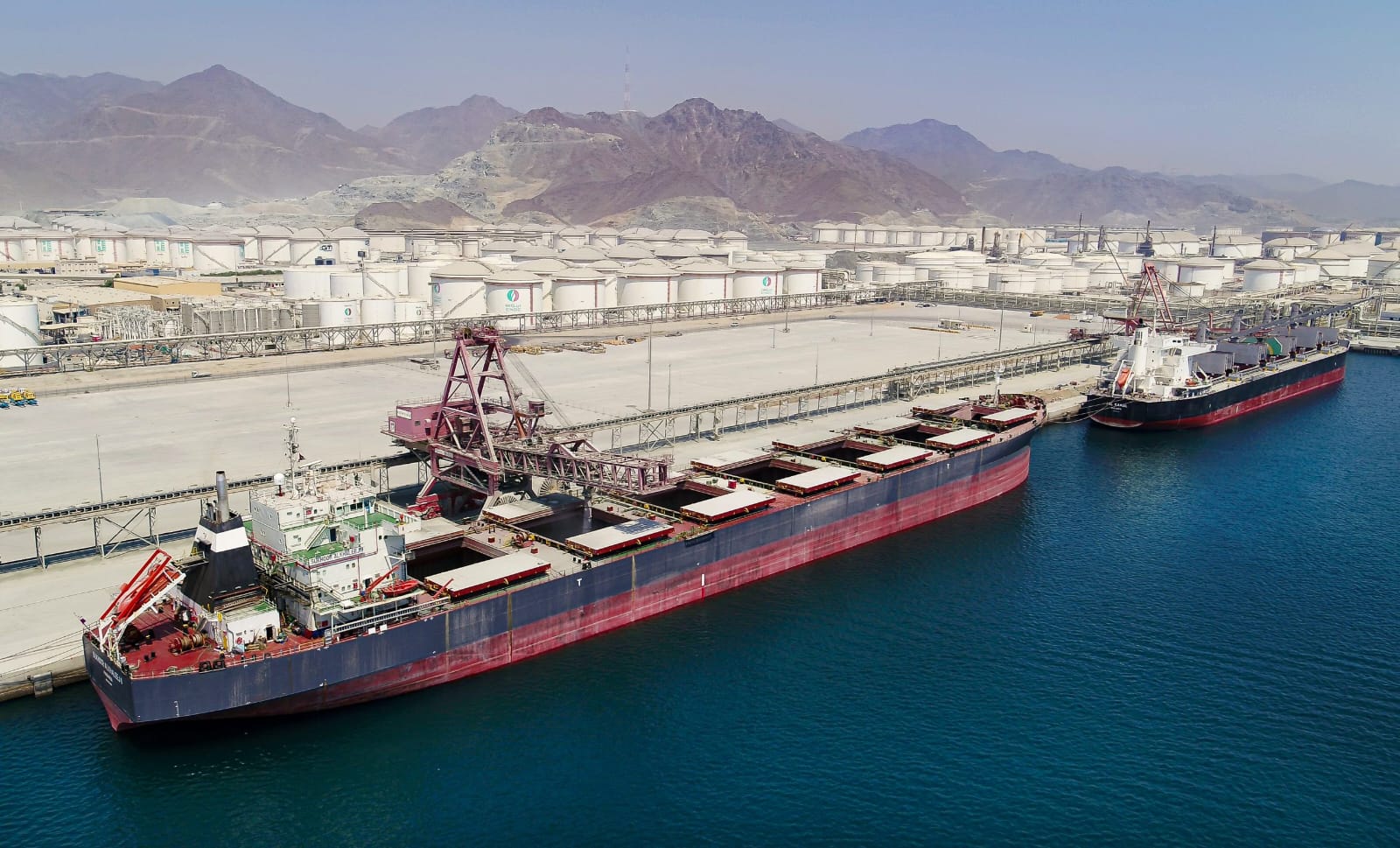
Sales of marine fuel in Fujairah saw a notable increase in September 2026, rebounding from a decline in August. This growth indicates a relative improvement in tanker fueling activities at the Emirati port.
September’s Surge in Fujairah’s Marine Fuel Sales
According to data from the specialized energy platform based in Washington, marine fuel sales rose by 4.9% month-on-month, reaching 236,735 cubic meters, equivalent to approximately 235,000 tonnes, excluding lubricating oils. Sales maintained levels above 200,000 cubic meters for the third consecutive month, although they remained significantly lower than pre-war figures before the outbreak of the Iran crisis, which has disrupted shipping and fuel supply patterns throughout the Gulf region.
This improvement coincides with an increase in fuel oil supplies to Fujairah, enabling the port to continue parts of its ship refueling operations and enhance its exports to Asian markets.
Trends in Fuel Types Utilised
There was a 3.2% decline in low-sulphur fuel oil sales in Fujairah, which dropped to 144,551 cubic meters, as reported by Reuters. Conversely, sales of high-sulphur fuel oil surged by 17.9% compared to August, hitting 68,797 cubic meters, highlighting varying demand trends among the fuel types used for shipping operations.
Furthermore, low-sulphur marine diesel experienced even greater gains, increasing by 27.4% to 22,990 cubic meters. Other types of low-sulphur marine diesel saw a dramatic increase to 397 cubic meters, more than triple their volume from the previous month. As a result, the market share for low-sulphur marine fuel fell to 71% in September from 74% in August, while high-sulphur fuel’s share grew to 29%, up from approximately 26% during the same period.
Impact of the Iran War on Fuel Supply Dynamics
The growth in Fujairah’s marine fuel supply is tempered by ongoing pressures related to the Iran conflict, which has led shipping companies to modify their routes and seek alternative ports to avoid navigation disruptions and price fluctuations. During an international conference in Singapore, industry executives highlighted that companies have increasingly turned to spot and short-term purchases instead of long-term contracts to maintain flexibility amid market volatility.
Peter Grunwaldt, CEO of Cskell Energy, noted that rerouting ships away from Fujairah has resulted in heightened demand for other ports, including Salalah in Oman, Colombo in Sri Lanka, and Port Louis in Mauritius. These strategic shifts are occurring while marine fuel prices remain over 70% higher compared to levels prior to the outbreak of hostilities.
The decline in demand is compounded by ongoing shortages in global fuel oil supplies, with estimates from Vitol indicating that the conflict in the Middle East has reduced fuel oil supplies from the Gulf region, including Iran, by approximately 800,000 tonnes per month.