
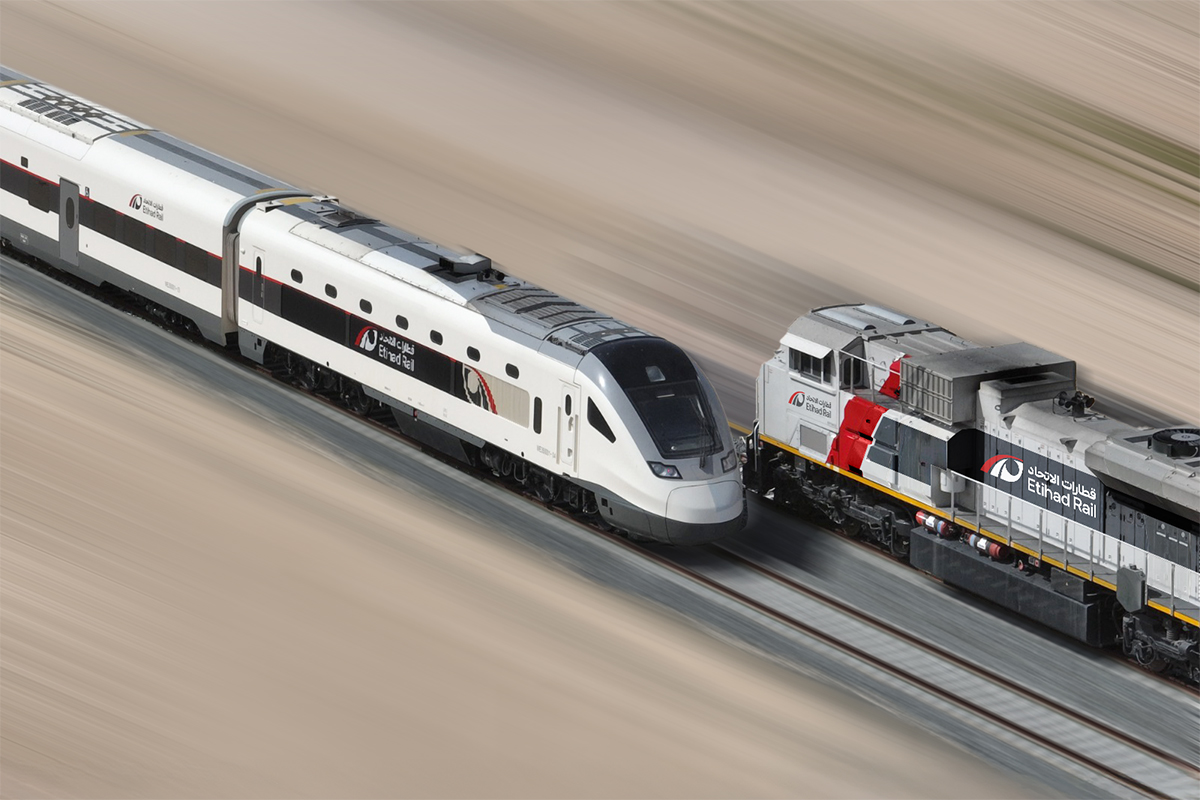
The development of the Etihad Rail project is set to significantly enhance the UAE real estate sector, creating new trade and investment corridors across the Emirates. As a transformative infrastructure initiative, Etihad Rail promises improved connectivity and the potential to reshape local economies. This article explores how the Etihad Rail system is expected to catalyze growth in the UAE real estate market and redefine the landscape for living, commerce, and investment.
Transformational Impact on Real Estate
According to Firas Al Msaddi, CEO of fäm Properties, the advantages of the Etihad Rail project extend far beyond the physical structure itself. “The moment we saw Sheikh Mohammed riding the Etihad Rail from Dubai to Fujairah marked the dawn of a new era in UAE real estate,” he remarked.
Al Msaddi emphasized that this infrastructure shift is game-changing, stating, “It will redefine how value is created, captured, and capitalized across the Emirates.” By drastically improving travel times and enhancing interconnectivity, the Etihad Rail network is poised to stimulate genuine demand in burgeoning markets.
Redefining Areas of Investment and Living
“When you compress space and time, you reduce opportunity cost. That’s where the real value is unlocked,” Al Msaddi explained. Etihad Rail is not just about transportation; it represents an economic reset for the UAE, altering demand patterns and eliminating existing bottlenecks. More than just a rail network, it holds the promise of new corridors for living, trade, and investment.
He asserts that each emirate has unique offerings, but the high cost of movement has previously limited accessibility. “Etihad Rail changes that,” he noted. The ability to cut travel times dramatically—from two hours to just 50 minutes—will reshuffle where people choose to live, work, and engage in commercial activities.
Lessons from Global Precedents
Drawing on examples from Japan, Al Msaddi highlighted how infrastructure can transform urban landscapes. He pointed out the bullet train between Tokyo and Osaka, which spurred a rapid increase in land values and housing demand in surrounding cities. “Commercial land values rose over 40 percent, and housing demand surged more than 60 percent,” he remarked, underlining that the economic flow unlocked by faster travel is more impactful than the train itself.
What sets the UAE apart, he added, is its opportunity to build the world’s most advanced rail system without the constraints of legacy infrastructure.
The Future of Property Values
The effects of the Etihad Rail network will likely elevate land prices in tier-2 cities like Fujairah, Al Dhaid, and Ruwais, as improved connectivity fosters genuine demand. “Transit-oriented hubs will rise near stations like Sharjah’s University City and Sakamkam in Fujairah, featuring walkable, mixed-use developments,” Al Msaddi predicts.
Furthermore, the allure of second-home markets is anticipated to shift significantly. For families in Dubai, weekend retreats to Fujairah will become far more accessible, transforming perceptions of distance into practical choices.
“Those who still price real estate based on traditional maps rather than travel-time analytics will find themselves at a disadvantage,” Al Msaddi cautioned. “Investors and stakeholders who study station locations with the same diligence as master plans will pave the way for generational wealth.”