
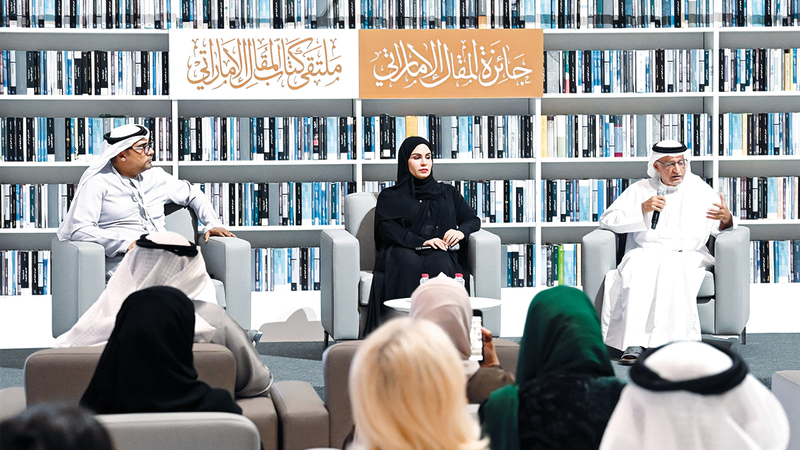
In a groundbreaking initiative, the ملتقى كُتّاب المقال الإماراتي has emerged as a vital platform for dialogue and exchange between creative writers and cultural institutions in the UAE. Organized in collaboration with the Mohammed bin Rashid Library and featuring a prestigious lineup of essayists, researchers, and media professionals, this gathering aims to explore the evolution of the essay genre in the UAE’s literary and cultural landscape.
Exploring the Future of Emirati Essays
The ملتقى كُتّاب المقال الإماراتي included a significant discussion panel titled “The Future of the Emirati Essay,” which delved into the trajectory of essay writing in the UAE amidst rapid cultural and media changes. Participants engaged in a training workshop directed towards young writers, honing professional writing and analytical skills to sharpen their commentary abilities. Additionally, the event featured a professional networking program to connect writers with publishing houses and cultural organizations, fostering future collaborations. A book exhibition showcased notable Emirati essays and published works from esteemed writers in the field.
Inaugural Book Launch and Future Announcements
During the first-ever ملتقى كُتّاب المقال الإماراتي, participants celebrated the launch of the book “Essays from the First Cycle of the Emirati Essay Award 2025,” presented in two volumes. This compilation features 104 essays from contributors, highlighting diverse perspectives on contemporary societal issues. The event also set the stage for the announcement of the second cycle of the award, slated for mid-January 2026.
Vision Behind the Emirati Essay Award
Dr. Abdul Khaleq Abdullah, Chairman of the Emirati Essay Award’s Board of Trustees, stated, “The award was established to resonate with the vibrant literary and cultural scene in the UAE, which is bustling with initiatives and talent.” He emphasized that the award aims to rekindle the recognition and value of the essay form, especially in light of the presence of creative veterans who have contributed significantly over the past 50 years. The first cycle of the Emirati Essay Award showcased a remarkable blend of seasoned and emerging writers, despite strict guidelines, including a maximum essay length of 1000 words, leading to a surprising influx of creative submissions.
Expanding Award Categories and Future Opportunities
Dr. Abdullah also noted the unexpected volume and quality of submissions during the inaugural cycle. “The jury encountered numerous commendable pieces, reinforcing the UAE’s reputation as a hub for cultural and literary accolades,” he explained. Looking ahead, he revealed plans to introduce new award categories, including ‘Artistic Essay’ and ‘Promising Young Writer’ for entrants under 18, expanding from six to nine categories for the upcoming cycle.
Continued Support from Cultural Institutions
Jamal Al-Shihhi, a member of the board of the Mohammed bin Rashid Al Maktoum Foundation and the Emirati Essay Award, highlighted the library’s commitment as a significant partner in the award’s growth, stating, “Establishing this ملتقى كُتّاب المقال الإماراتي marks the beginning of an annual collaboration.” He emphasized the evolving nature of essay writing in the Arab world, increasingly finding a voice through various digital platforms that go beyond traditional publishing methods. This transformation is vital for nurturing a new generation equipped with the right tools and techniques to engage actively in the cultural dialogue.
Addressing Humanitarian Issues Through Writing
Dr. Maryam Al-Hashimi, a board member of the award, articulated the initiative’s goal to broaden the understanding of essays within the cultural community. “The aim is to highlight the multifaceted nature of essays and their significance,” she stated. Dr. Al-Hashimi observed that Emirati voices do not shy away from discussing pressing Arab issues, maintaining a connection with broader cultural and humanitarian topics. She stressed the importance of writers keeping pace with literary trends and adapting their critiques to enhance writing standards and analytical depth.
Empowering Future Generations
In a message to the younger generation, Dr. Abdul Khaleq Abdullah emphasized that social media does not replace traditional essay writing, viewing the digital realm as an enhancement rather than a hindrance. He encouraged dialogue between seasoned writers and emerging talents, asserting, “The future of Emirati essays lies in the hands of the new generation, ready to elevate the genre to a global platform.”