
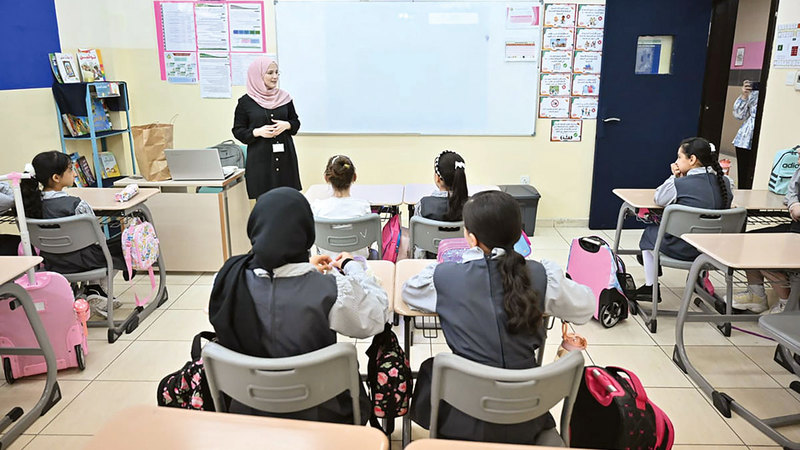
Training and Awareness Programs to Protect Students from 6 Types of Abuse
Training and awareness programs to protect students from 6 types of abuse are a vital step in ensuring the safety of children in educational institutions. Both public and private schools are committed to implementing comprehensive measures aimed at providing a safe environment that shields students from various risks, including emotional and psychological abuse, neglect, exploitation, physical abuse, sexual abuse, and bullying in all its forms. By implementing these programs, educational institutions hope to raise awareness among students and their families about the forms of abuse and the necessary protective measures.
Preventive and Awareness Measures
School officials have emphasized the importance of taking all necessary measures to protect children and improve their psychological and physical conditions, in accordance with the student protection policy established by the Ministry of Education. This policy includes awareness and training programs aimed at monitoring any signs that indicate students may be experiencing abuse. It is crucial for parents to be active partners in the awareness process, as they are informed of the policies at the beginning of each academic term.
Students’ Rights and a Safe Environment
The student protection policy underscores the importance of allowing students to express their opinions freely and to be treated with respect and fairness. It also guarantees their right to safety and to enjoy a life free from harm. Students should receive education about the forms of danger and recognize that there is a strict principle that rejects all types of abuse. Educational institutions must take all necessary measures to uphold this principle.
Institutional Responsibilities
Both the educational institution and its administration bear the responsibility of protecting students’ rights and ensuring they are not subjected to any form of abuse. There should be a clear mechanism for reporting cases of abuse, and all stakeholders must understand this policy. Schools are committed to providing a simplified version of the policy to facilitate comprehension by students and parents, thereby enhancing the effectiveness of the programs aimed at protecting students from 6 types of abuse.
Educational Materials and Psychological Support
Educational materials have always been a fundamental part of training and awareness programs, as the policy requires schools to prepare age-appropriate materials to enhance students’ understanding of reporting procedures for violations. These materials should include stories, group discussions, and interactive tools, which help students express their concerns. Additionally, these materials should clearly indicate how to seek help.
These efforts are part of a comprehensive strategy aimed at creating a safe and respectful educational environment that guarantees students’ rights and helps them grow and develop healthily, free from abuse. Through training and awareness programs to protect students from 6 types of abuse, educational institutions strive to build a safer and more supportive community for children.