
The Educational Centre for the Arabic Language for the Gulf States in Sharjah took part in the International Academic Forum organised by the Arab Organisation for Education, Culture and Science (ALECSO), in collaboration with the Computational Linguistics Laboratory at the Faculty of Manouba in Tunisia. The forum was centred around the theme: “The Integrated Approach in Teaching Arabic Language Skills for Non-Native Speakers: Contemporary Issues and Prospects for Pedagogical and Technological Development.”
This event was timely, considering the rapid transformations in the landscape of teaching Arabic to non-native speakers. These changes necessitate a reevaluation of traditional teaching approaches to enhance learners’ ability to engage in authentic communication contexts, while also respecting the unique characteristics of the Arabic linguistic community and the diversity between Modern Standard Arabic and everyday usage. The forum featured contributions from numerous experts and regional and international institutions specializing in this field.
Key Discussion Themes
The forum was structured around three principal scientific themes. The first focused on the engineering of the integrated approach and the management of linguistic duality. In the second theme, discussions revolved around applied linguistics and technological innovation, including artificial intelligence applications, natural language processing, and digital learning. The final theme addressed measurement and evaluation issues, the Arab framework for mutual reference, and the prospects for standardizing international criteria and tests.
Contributions from the Sharjah Centre
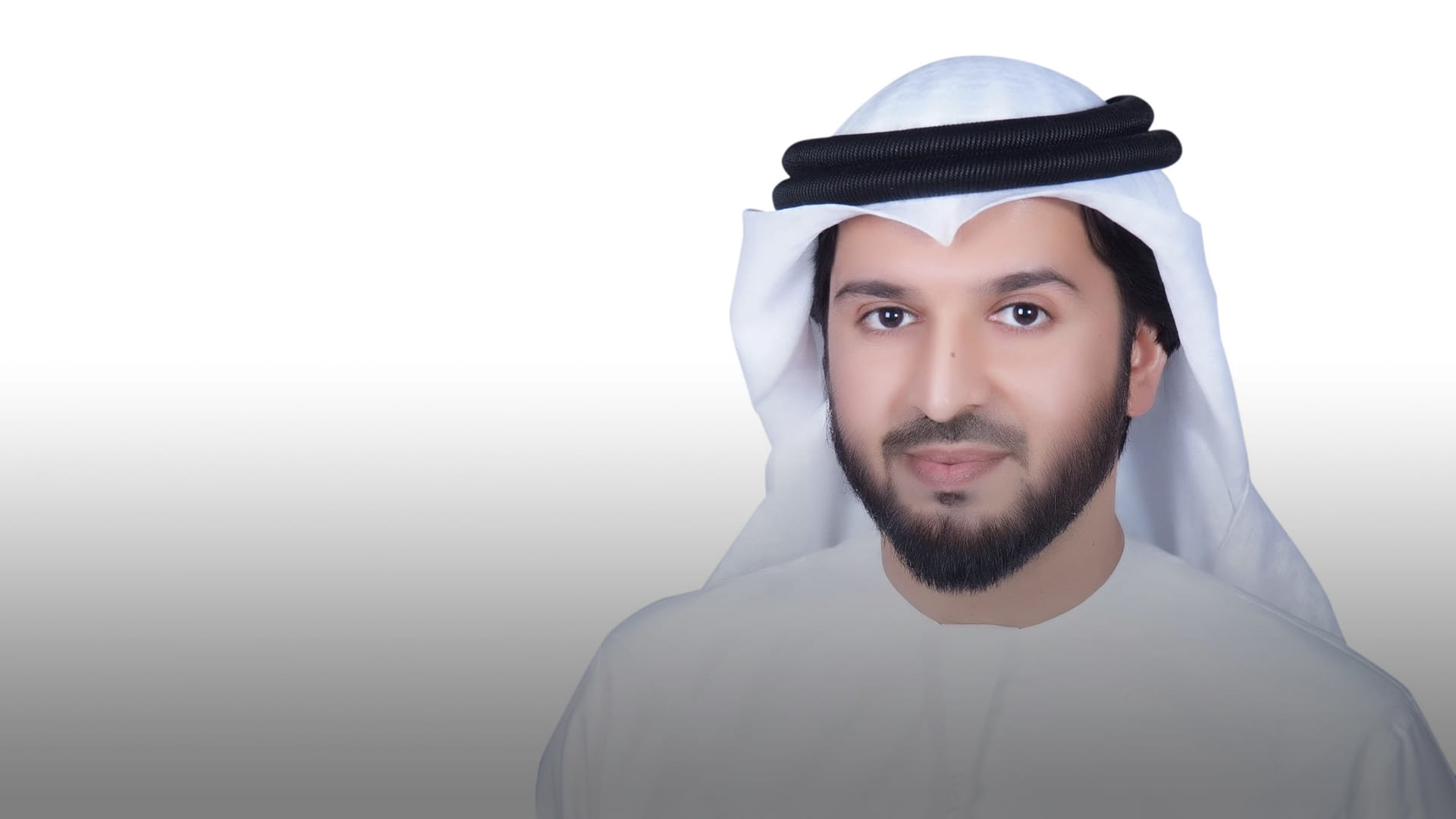
The Sharjah Educational Centre for the Arabic Language for the Gulf States was actively engaged in the forum, with Dr. Eissa Saleh Al-Hamadi, the Centre’s Director, presenting a paper titled: “The Centre’s Efforts in Developing Arabic Language Teaching and Learning for Non-Native Speakers.” In his presentation, Dr. Al-Hamadi outlined the Centre’s primary areas of focus and its initiatives in this sector, encompassing research studies, training programmes, and the organisation of the International Arabic Language Conference in Sharjah. These efforts reflect the Centre’s pivotal role in promoting and enhancing Arabic education for non-native speakers, thereby broadening the scope of Arabic language dissemination and facilitating its learning on a wider scale.
Innovative Approaches and Research Initiatives
Dr. Al-Hamadi highlighted significant contributions made by the Centre in research and development related to teaching Arabic to non-native speakers. Notable efforts include the development of the “I Love Arabic” series for teaching Arabic to non-natives, the establishment of the reference framework for Arabic language education for non-native speakers, and the 2021 Quality Standards document for Arabic education institutions catering to non-native speakers. Additionally, the Centre has conducted a study on the preparation of Arabic language teachers for non-native speakers based on contemporary global standards, alongside the 2018 document detailing standard levels in Arabic language education for non-native speakers.
Furthermore, the presentation covered the Centre’s initiatives regarding training programmes aimed at enhancing the teaching of Arabic to non-native speakers. This includes specialized training sessions for professionals in the development of Arabic language education, as well as remote training courses based on the reference framework for teaching Arabic to non-native speakers: “Authorship, Teaching, and Training,” which assists in supporting and enhancing the capabilities of specialized educators in this domain.
International Conference Contributions
Dr. Al-Hamadi also discussed the Centre’s role in organizing the International Arabic Language Conference in Sharjah, which has seen the Centre host nine international conferences. Each edition included a principal theme focusing on the instruction of Arabic to non-native speakers, further solidifying this subject’s presence on the agenda of academic events curated by the Centre, while facilitating the exchange of specialised experiences and practices in Arabic teaching and learning.
Strategic Recommendations for Future Development
The forum concluded with a general discussion involving experts, researchers, and specialists, focusing on formulating strategic recommendations to enhance the teaching of Arabic to non-native speakers. The discussions emphasised the importance of integrating educational approaches with digital innovation and supporting the construction of an Arab reference system for measurement and evaluation that meets the requirements of 21st-century learners. This collaborative effort aims to advance Arabic language education, thus elevating both its practices and its educational and technological tools.