
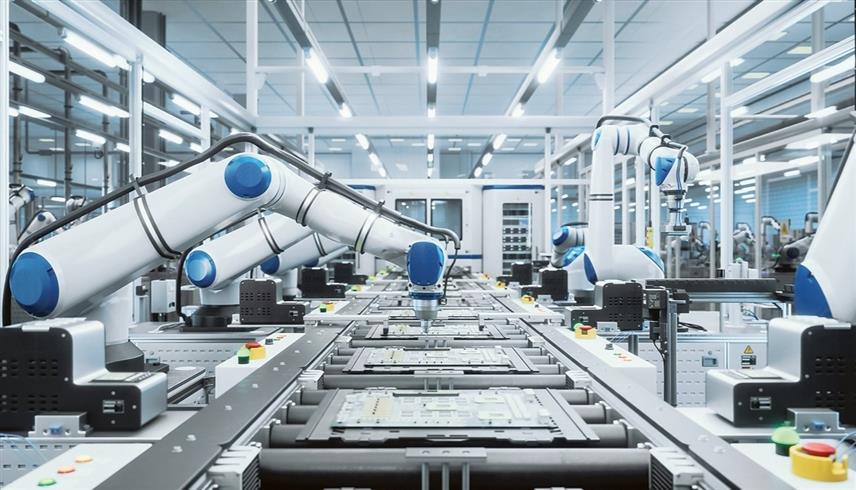
The “Factories of the Future” initiative, launched by the UAE’s Ministry of Industry and Advanced Technology, signifies a formal commitment to transitioning from traditional manufacturing methods to a new era of smart, knowledge-based production driven by cutting-edge technology.
Shifting the Paradigm of Industry
This initiative cannot merely be viewed as a temporary government support programme; rather, it serves as a comprehensive operational framework aimed at revamping and engineering production processes within the industrial sector. The UAE is keen on integrating solutions from the Fourth Industrial Revolution, such as generative artificial intelligence, cloud computing, and Industrial Internet of Things (IIoT), to solidify its standing as a regional and global hub for advanced industries, becoming a primary destination for foreign direct investment in this vital sector.
Economic Impact and Targets
The digital reality of this initiative reflects a sovereign shift to enhance macroeconomic resilience, aligning its operational targets with the national plan to increase the industrial sector’s contribution to the GDP to AED 300 billion by 2031. This move is propelled by a robust foundation established from an actual sector contribution exceeding AED 210 billion, according to the latest updates on the national strategy implementation approved by the UAE Council of Ministers.
The new initiative is built upon solid ground showcased by tangible achievements, with integrated programmes and capabilities providing real support to over 700 national factories. This support includes conducting accurate and comprehensive technical assessments for approximately 620 factories using the Industrial Technology Transformation Index (ITTI), creating a vital database that directs venture capital towards genuine technological gaps. Coupled with substantial funding packages from major national financial institutions, totalling around AED 18 billion, this will facilitate the adoption of automation solutions, ultimately enhancing the total value added to the national economy by the end of the current decade.
Building a Competitive Industrial Ecosystem
In this context, Dr. Sultan bin Ahmed Al Jaber, Minister of Industry and Advanced Technology, emphasised this qualitative shift, stating, “Thanks to the vision and guidance of the leadership, the UAE has successfully established a competitive industrial ecosystem focused on investing in people, technology, and innovation, enhancing the nation’s position as a global industrial centre and a prime destination for industrial investments.” He noted that the Ministry continues to work with partners to build on achievements and accelerate the employment of advanced technology solutions in the industrial sector, including artificial intelligence applications, which are crucial for increasing productivity, enhancing efficiency, and improving the competitiveness of national factories.
Empowering Frameworks
The initiative stands out for its high capability to tackle operational challenges by offering integrated solutions that encompass the entire transformational journey rather than fragmentary support. This journey begins with specialised technical evaluations to pinpoint digital gaps and development opportunities within each industrial facility, subsequently connecting manufacturers directly with an extensive network of technical experts and global and local solution providers. The support extends beyond engineering assistance to include capacity-building programmes and training for the national workforce to ensure sustainable digital operations. This path culminates in opening sustainable and accessible financing channels in collaboration with partner developmental and commercial banks, removing the financial barriers that hinder small and medium enterprises from adopting artificial intelligence and robotics technologies.
Financial and Operational Returns
The initiative’s impacts are reflected directly in the financial performance of national companies and industries across three interconnected economic axes. The first axis focuses on reducing operational costs and production expenses; integrating predictive maintenance systems and the Internet of Things will help diminish unplanned downtimes, material waste, and energy consumption, thereby increasing overall profit margins for local factories and enhancing their pricing flexibility. The second axis is linked to bolstering the National Added Value Programme and localising supply chains; as the technological quality of local products improves, their ability to meet the stringent requirements of major sovereign procurement companies rises, keeping financial liquidity within the national economy and protecting the sector from global supply chain fluctuations. The third axis manifests in enhancing the export competitiveness of UAE products in international markets; increased production flexibility empowers enterprises to rapidly adapt to diverse external market demands, thereby fostering the growth of non-oil exports for the nation.
Strategic Dimensions
The “Factories of the Future” initiative represents a progressive step toward shaping a sustainable industrial future that relies on innovation as a fundamental element of production rather than a complementary factor. The integration of artificial intelligence applications within this system reflects a strategic awareness of the necessity to improve the overall efficiency of production elements to contend with challenges such as skilled labour shortages and global economic fluctuations. The successful momentum of this initiative will undoubtedly hinge on its ability to engage a broader segment of small businesses and ensure the provision of an advanced industrial cybersecurity framework to safeguard connected production lines from potential breaches. Thus, the initiative forms a critical pillar in building a resilient, competitive national economy grounded in advanced technology, securing the UAE’s leadership on the global production map.