
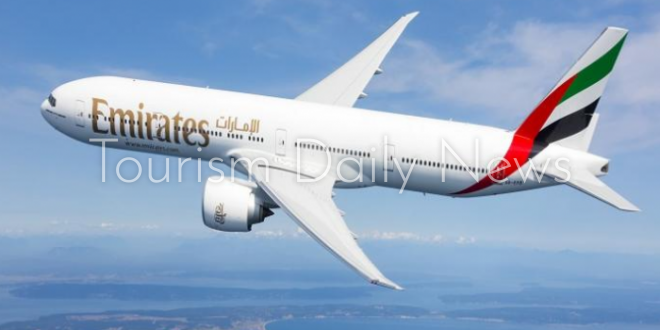
In the competitive aviation landscape of the Gulf region, Emirates Airlines continues to dominate, leading in passenger numbers and profitability. Meanwhile, Etihad Airways has distinguished itself as the fastest-growing airline in the area. Recent data reveals emerging trends in air travel, indicating how these two airlines are shaping the future of Gulf aviation.
Emirates Airlines: Leader in Performance Metrics
According to recent industry data, Emirates Airlines recorded over 67 billion kilometers in Revenue Passenger Kilometers (RPK) during the first quarter of 2025, marking a 5% increase from the same period last year. This statistic, compiled by OAG Aviation Worldwide, positions Emirates significantly ahead of its regional competitors, with the airline carrying nearly a third more passengers than its closest rival.
Understanding Key Performance Indicators
The Revenue Passenger Kilometers metric is a key standard in the airline industry, offering insights into corporate performance. This metric is calculated by multiplying the number of paying passengers by the kilometers flown, serving as an indicator of demand and operational efficiency. Despite Emirates’ substantial market presence, the airline’s strategy continues to focus on enhancing performance and meeting rising consumer needs.
Etihad Airways: Rapid Growth Amid Restructuring
In an impressive contrast, Etihad Airways has achieved a 15% growth in its RPK metric during the same period, making it the fastest-growing airline among Gulf carriers. This growth highlights the airline’s strategic shift towards sustainability. The fully government-owned airline has undergone a significant restructuring effort in recent years, eliminating unprofitable routes while focusing on high-demand services, particularly those connecting Asia, Europe, and the Middle East.
Challenges Facing Regional Airlines
In contrast to the successes of Emirates and Etihad, regional players like Qatar Airways have encountered challenges, reporting a 2% decline in the RPK metric despite robust local demand. Industry experts suggest that this slight downturn raises concerns, highlighting the airline’s dependency on transit traffic, which typically yields lower returns. This precarious situation is echoed in the struggles of smaller regional airlines, such as Oman Air, which saw a 13% drop in RPK, and Kuwait Airways, down by 14%. Such downturns in their financial and operational performance continue to place these airlines under considerable strain.
Global Trends in Air Travel
On a global scale, passenger traffic has seen a modest increase of 5% in the first quarter of 2025, reaching 2.16 trillion kilometers for paying passengers, according to the International Air Transport Association (IATA). Middle Eastern airlines have contributed to this growth with a 4% increase, demonstrating the region’s resilience and potential for expansion.
As Emirates Airlines asserts its leadership in the Gulf aviation market, the rapid growth of Etihad Airways highlights the dynamic nature of the industry. Both airlines exemplify the innovative strategies and operational adjustments necessary to thrive in this ever-evolving landscape, ensuring the Middle East remains a critical hub for air travel.