
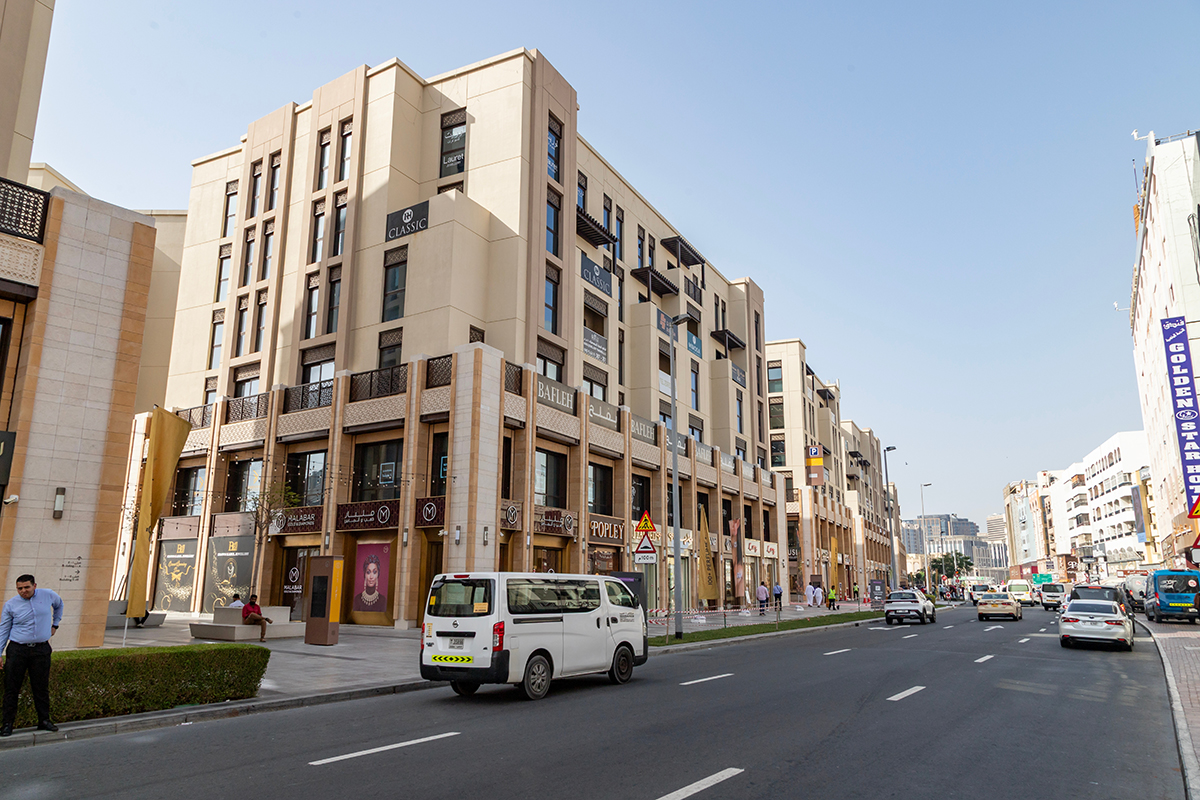
As the economy gradually rebounds from recent challenges, the Dubai retail market is witnessing a resurgence, particularly in the warehousing segment, which has shown an astonishing 60% increase. The dynamics are shifting, influenced by enhanced consumer behavior, the rapid growth of e-commerce, and a pressing demand for strategically located logistics assets. This article explores the nuances of this evolution in Dubai retail, delving into trends, effects on the rental market, and the impactful growth in warehousing.
Resilience in Retail Sales
In the first half of 2025, Dubai’s retail sector recorded around 500 sales transactions, amounting to roughly AED 1.4 billion. Nevertheless, these figures indicated a year-on-year dip of 17.3% in volume and 1.8% in value, primarily due to a significant slowdown in off-plan retail activity. Despite this, specific segments, notably the ready retail category, emerged as a beacon of resilience, showing growth against the broader trend.
The ready retail segment stands out, with sales volumes increasing by 13.2%, while values soared by an impressive 40.1%. This growth indicates a preference among investors and occupiers for completed, income-generating assets in a maturing market where dynamics continue to evolve.
Rental Market Dynamics
Turning to the rental market, Dubai’s retail leasing landscape experienced mixed results. While there was an uptick in rental contracts compared to the second half of 2024, they still reflected a decline from the same time last year. This trend can be attributed to a slowdown in new leases, while high-quality retail spaces remain limited.
On a positive note, renewal activity gained substantial traction, with contract renewals increasing by 37.8% compared to the second half of 2024 and 1.9% since the first half of 2024. Tenants opted to prolong their existing agreements, showcasing a cautious approach in an environment where rental prices are on the rise, and available prime retail spaces are scarce.
Overall, retail rents in Dubai displayed an 8.3% rise over the past year, though growth was highly dependent on location. Prime districts, including malls and popular shopping streets, were able to command premium prices due to robust footfall, while tenants in less favorable locations managed to negotiate better terms amid weaker demand.
Surge in the Warehouse Sector
In stark contrast, Dubai’s warehouse market has emerged as a standout performer with a spectacular 60% surge. Approximately 8,600 warehouse rental transactions were recorded in the first half of 2025, reflecting a remarkable 27.8% increase from the second half of 2024 and a striking 59.9% rise year-on-year.
This surge is driven by Dubai’s positioning as a strategic logistics hub for the region, bolstered by thriving e-commerce and resilient trade activity. Occupancy rates have remained elevated across industrial assets, supported by the growing demand from both new entrants and existing tenants.
Warehouse rents climbed by 14.1% in the past year, again varying by location. Facilities strategically situated near key transport corridors, ports, and airports experienced significant rental growth, while older properties saw more moderated increases. The scarcity of Grade A stock in prime locations has prompted some tenants to consider alternatives in neighboring emirates, where larger, affordable logistics spaces are available.
Future Prospects for Retail and Warehousing
Looking ahead, the outlook for Dubai’s retail and warehouse sectors appears cautiously optimistic as we move into the second half of 2025. Retail occupancy remains robust, with major players such as Emaar and Majid Al Futtaim reporting average rates of 98% across their malls in the first half of the year. This reflects sustained tenant demand and continuous foot traffic.
The anticipated retail demand is expected to be sustained by a growing population and an influx of tourists. Nonetheless, the market will likely remain landlord-driven, with rental trends differing by location. Key commercial areas will continue to exert upward pressure on rents, while secondary markets may face stability or downward pricing pressure.
The retail landscape is also evolving towards experiential destinations, with emerging locales like Al Marmoom and Al Khawaneej offering unique cultural and community experiences. As stated by Siraj Ahmed, Director and Head of Strategy and Consulting, “Dubai’s next retail advantage lies in creating reasons for people to cross the city, not just relying on the surrounding catchment population.”
On the logistics front, solid fundamentals are expected to persist, supported by the ongoing growth of e-commerce and the increasing presence of international brands in the region. The demand for modern, strategically located warehouses is likely to remain high, which may continue to drive rental growth, especially in well-connected areas.
As Dubai cements its position as a global trading and retail hub, the retail and warehouse sectors are poised for selective growth, requiring stakeholders to stay agile and responsive to the evolving landscape.