
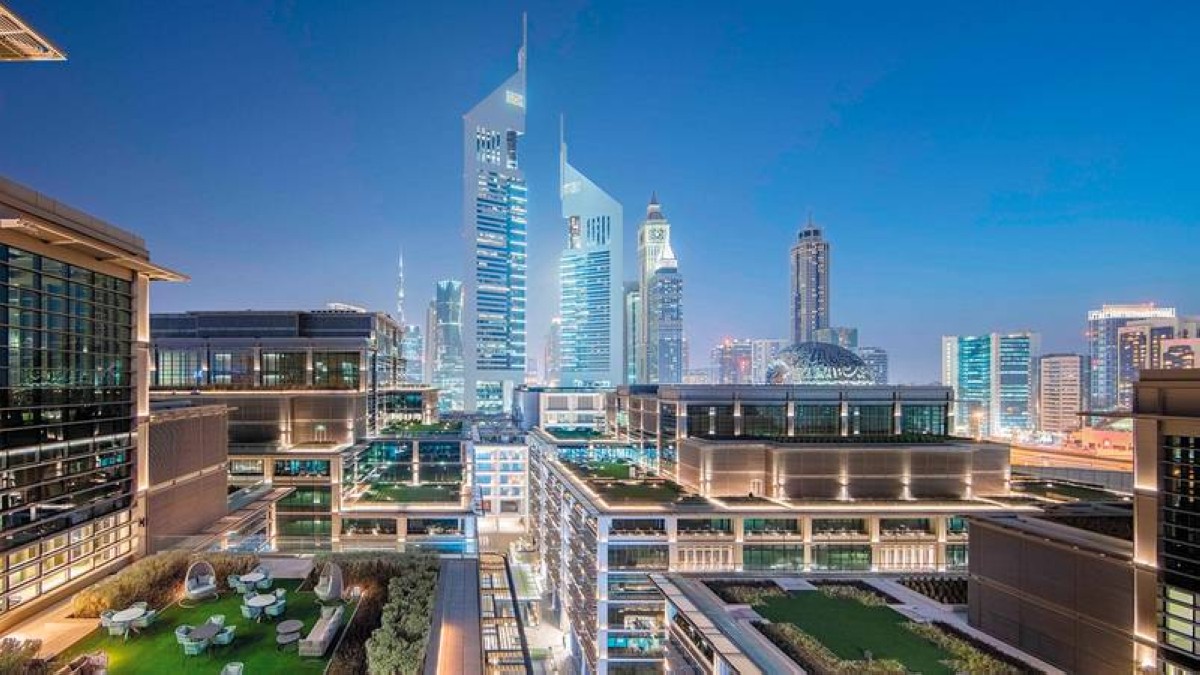
As Dubai continues to captivate investors, the commercial and residential property market in the city remains a hotbed of activity heading into 2026. The appeal of Dubai’s real estate is primarily driven by the emirate’s attractiveness for investment and a diverse range of opportunities that cater to various needs. This article explores the enduring magnetism of Dubai’s commercial and residential properties as we approach 2026, highlighting trends, investor behavior, and the evolving landscape of the real estate sector.
Investor Interest Across Key Sectors
A recent real estate report emphasizes that investor focus on Dubai’s properties in 2026 will center around three major sectors: office spaces under construction, logistics and warehousing assets, and community retail centers. The strong demand for office spaces still in development is particularly noteworthy, as the significant gap in the supply of high-quality properties encourages both investors and tenants to secure their spaces early. The report from Chestertons outlines projected investor behavior and development trends that will shape the commercial real estate market in Dubai by 2026.
Supporting Business Growth Through Regulations
The regulatory environment in Dubai is forecasted to continue supporting commercial activities without leading to significant fluctuations in overall investment volumes. Recent updates to business laws are expected to enhance operational flexibility, allowing companies to change their registration locations and move activities more seamlessly between free zones and local law regions across various emirates. Given that most business licenses still necessitate the presence of a physical office, demand for office spaces is projected to remain stable and robust.
Logistics and Warehousing Demand
The strength of logistics and warehousing assets in Dubai is underscored by the emirate’s status as a regional and global trade hub. This is bolstered by world-class ports, free zones, and integrated transport networks that connect Dubai to markets in Europe, Asia, and Africa. Due to its strategic location, businesses can reach over two-thirds of the world’s population within approximately an eight-hour flight. Coupled with vital facilities that handle millions of tons of goods annually, the demand for storage, distribution infrastructure, and supply chains remains strong and sustainable. Additionally, the region’s continuous population growth fuels consumption rates, making logistics properties a reliable and flexible investment option.
Shifts in Retail Investment
Chestertons notes a marked shift in retail investment towards community shopping centers that serve residential neighborhoods. The foot traffic in these areas is driven by increasing local demand rather than major shopping destinations. While the need for mixed-use buildings that share infrastructure with residential apartments remains relatively limited, corporate tenants generally prefer independent commercial environments that provide private entrances, dedicated parking, and tailored facilities for their business needs.
In addition to traditional business hubs, several new areas are gaining traction as attractive commercial investment destinations. Regions such as Business Bay, Jumeirah Lake Towers, and Barsha Heights continue to draw demand for office spaces, thanks to their accessibility and established infrastructure. Simultaneously, emerging communities like Jumeirah Village Circle and Arjan are launching their first independent commercial projects.
Elsewhere, industrial zones—including Dubai Investments Park, Dubai Industrial City, National Industries Park, and Al Quoz—remain key centers for logistics and warehousing. Improvements in infrastructure and proximity to growing residential complexes are driving decentralization, facilitating the movement of business away from traditional central business districts.
Investment Trends Moving Forward
Looking ahead, real estate consultancy firms predict a clear distinction between the behaviors of local and international investors in 2026. International investors are likely to remain active in the office and retail sectors, drawn by ownership models that require less intensive management and easier entry strategies. These assets offer clear leasing frameworks and simplified remote management opportunities.
In contrast, local investors are expected to dominate the warehouse and logistics sector, as these projects typically involve land acquisition procedures, longer execution cycles, and the need for hands-on oversight. Such requirements make them more suited for investors with deep local market knowledge and operational capabilities.
The continuous allure of Dubai’s commercial and residential properties marks a transformative period leading up to 2026, driven by dynamic market trends and an adaptable investment environment.