
18,000 Megawatts of Electricity Production Capacity in Dubai by the End of 2025
Dubai is striving to achieve unprecedented milestones in the energy sector, with electricity production capacity in the city expected to reach 18,000 megawatts by the end of 2025. This urgent need reinforces the emirate’s commitment to increasing the share of clean energy in the local energy mix to 22.5% as part of its ambitious strategies toward climate neutrality by 2050. This article discusses the efforts of the Dubai Electricity and Water Authority (DEWA) to achieve these goals and the importance of sustainable projects in the context of global environmental transformation.
Commitment to Clean Energy
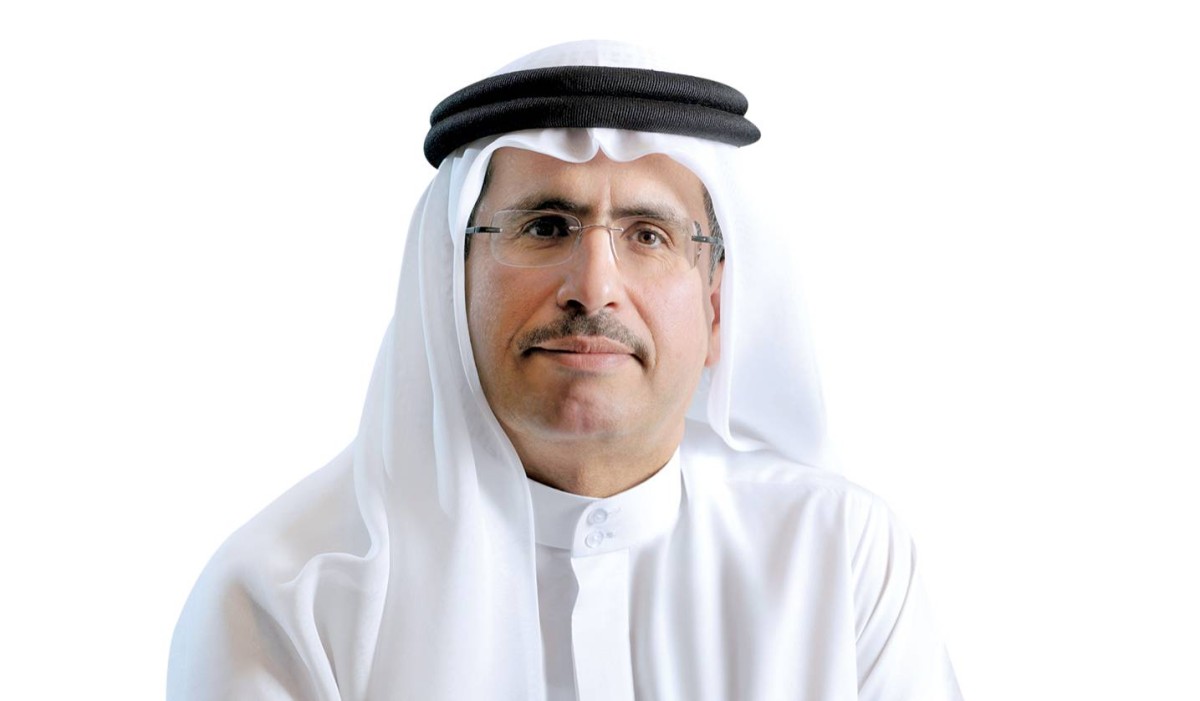
His Excellency Saeed Mohammed Al Tayer, Managing Director and CEO of DEWA, has confirmed that achieving an electricity production capacity of 18,000 megawatts is part of the UAE’s strategy for climate neutrality by 2050. The energy mix in Dubai incorporates numerous aspects of clean energy, which is increasingly being relied upon, enhancing the aim to secure 100% of energy needs from clean sources by 2050.
Modern Technologies and Innovation
DEWA is investing in the latest digital programs and technologies in collaboration with leading global companies to ensure reliable and sustainable energy supplies. The use of advanced technologies in energy production and transmission has led DEWA to rank among the top in 12 global performance indicators, achieving the lowest energy loss rate in the world in 2024, at only 2% for networks. With these high standards, Dubai demonstrates its ability to effectively meet the growing energy demand.
Future Solar Energy Projects
One of the prominent projects is the Mohammed bin Rashid Al Maktoum Solar Park, which is the largest in the world with a current production capacity of 3,860 megawatts. DEWA aims to launch the seventh phase of the project, which will increase this capacity to 7,260 megawatts by 2030. Additionally, Dubai hopes to raise the share of clean energy to 34%, which will contribute to reducing carbon emissions by approximately 8 million tons annually, further solidifying its position as a global leader in clean energy.
International Cooperation to Increase Efficiency
Attention is also directed toward the Independent Power Producer model developed by DEWA to leverage best global practices. Through this model, Dubai has attracted investments valued at 43.6 billion dirhams between 2014 and 2024, helping to provide competitive solar energy prices globally. DEWA also organizes tours for foreign delegations, where visitors learn about the latest innovations in clean energy.
Through these efforts, Dubai is making steady progress toward achieving 18,000 megawatts of electricity production capacity by the end of 2025, emphasizing the importance of innovation, sustainability, and international cooperation in reaching its ambitious goals. With future trends, the emirate remains a role model in the field of clean energy and technological advancement.